The Growing Interest in Montessori Education
In today’s world, the Montessori method has gained immense popularity among parents and educators alike. Searches such as “Montessori near me” and “Montessori school near me” reflect a global demand for accessible resources and educational systems that foster individual growth and independence in children. For those looking for these resources, our Montessori locator can help you find schools and programs in your vicinity. You can even explore specific examples in cities, like Oberursel, Germany.
Fundamental Principles of the Montessori Method
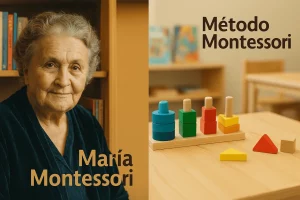
The Montessori method, developed by María Montessori in the early 20th century, is centered around several core principles:
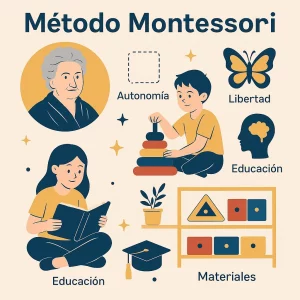
- Child-Centered Learning: The approach emphasizes the importance of allowing children to take charge of their own learning, making choices about their activities based on their interests.
- Mixed-Age Classrooms: Students of varying ages learn together, fostering peer learning and collaboration.
- Prepared Environment: The learning environment is carefully organized and designed to facilitate independence and exploration.
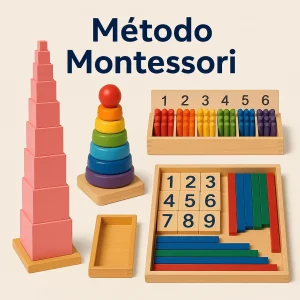
- Hands-On Learning: Montessori education prioritizes experiential learning, where children manipulate materials to understand abstract concepts.
To fully appreciate the Montessori method, let’s explore two real-life situations that embody its principles.
A Morning Routine at Home
Consider a typical morning routine in a family that adopts the Montessori method. Instead of directing the child through each step, parents can create an environment that allows for autonomy. For example, they can set out clothes with the child’s favorites in mind, encouraging them to choose what they want to wear. A child may feel empowered by selecting their outfit and brushing their teeth independently using a step stool. This routine promotes self-sufficiency, enhances decision-making skills, and builds a sense of responsibility.
The Mixed-Age Classroom Scenario
In a mixed-age classroom, you might observe a five-year-old teaching a three-year-old how to use a specific learning material, such as a counting tool. The older child is solidifying their understanding while the younger one is learning in a supportive environment. This peer learning model encourages collaboration, social interaction, and fosters empathy among children, reinforcing their social skills. This dynamic setting makes learning a shared journey rather than a solo endeavor.
Diving Deeper into Montessori Principles
Understanding the Montessori method requires a deeper exploration into its pedagogical approach, which emphasizes individual learning experiences. Inside the classroom, educators observe which materials or activities appeal to individual students, then guide them towards those resources for further exploration.
It’s essential to note that the Montessori philosophy goes beyond academia; it also nurtures emotional and social development. This holistic approach prepares children for life by emphasizing the importance of conflict resolution, respect, and introspection. For a thorough understanding, you can refer to pedagogía Montessori and its transformative impact on education.
Encouraging Independence and Exploration
One of the unique aspects of the Montessori method is its focus on encouraging children’s independence. This encouragement can be integrated into everyday life. For instance, at home, setting a designated workspace for children to engage in projects leads them to take ownership of their learning. They can choose when to begin, what techniques to apply, and how to complete their tasks. This autonomy helps foster a love of learning within the child.
The Role of Educators
In a Montessori classroom, the role of the educator is fundamentally different from that of a traditional teacher. Rather than delivering lectures, the educator acts as a guide or facilitator, preparing the classroom and observing children’s interactions. This teacher’s role allows them to recognize when to step in and provide assistance or to allow children to figure things out on their own. As they curate a respectful learning environment, they help children become active participants in their education.
Resources for Parents and Educators
For parents and educators looking to deepen their understanding of the Montessori method, numerous resources are available. Our comprehensive guide offers valuable insights and practical examples, making it easier to implement these techniques at home or in school.
The Importance of Community Support
In many cases, parents are looking for community support as they navigate the Montessori approach. Communicating with local educators and connecting with other parents who share an interest in Montessori can be invaluable. Joining online forums, attending workshops, and seeking a local Montessori community will help solidify understanding and provide shared resources. Our Montessori locator is an excellent tool for ensuring that you can find a supportive community nearby.
Conclusion: The Transformative Power of the Montessori Method
The Montessori method is more than just an educational philosophy; it is a transformative approach to instilling autonomy, self-discovery, and the joy of learning within children. As we seek out Montessori resources, schools, and communities, the profound and lasting benefits become evident. We encourage you to explore our Montessori Maria website and its AI assistant, MarÍA, for personalized guidance and support in your journey as a parent or educator. Whether you’re just beginning to explore the Montessori method or are looking for advanced strategies, our resources are designed for you.
In a world that often emphasizes conformity and standardized education, the Montessori approach stands out as a refreshing alternative. It not only respects the unique timeline and learning style of each child but cherishes their individuality. By integrating Montessori practices into daily routines, both at home and in educational settings, we can nurture a generation that embraces learning as an adventure filled with discovery and growth.