The Journey Begins: Finding Montessori Education
Many families searching for educational alternatives often begin by looking for “Montessori near me” or “Montessori school near me.” This common phrase highlights a growing interest in the Montessori method, which emphasizes child-led, experiential learning. If you’re embarking on this journey, our website offers a global Montessori locator that can assist you in finding educational facilities in your area. Explore options at Montessori near me and check out specific examples, such as Montessori schools in Oberursel, Germany.
Understanding Montessori Pedagogy
Montessori pedagogy is built on several key principles: the prepared environment, autonomy, observation, sensory learning, and the role of the educator. Here is a breakdown of each principle with practical examples in a classroom setting.
The Prepared Environment
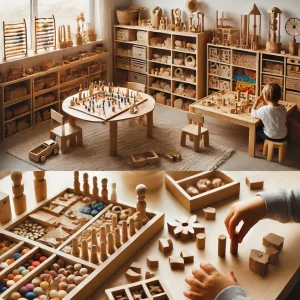
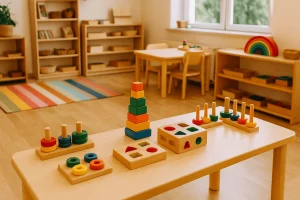
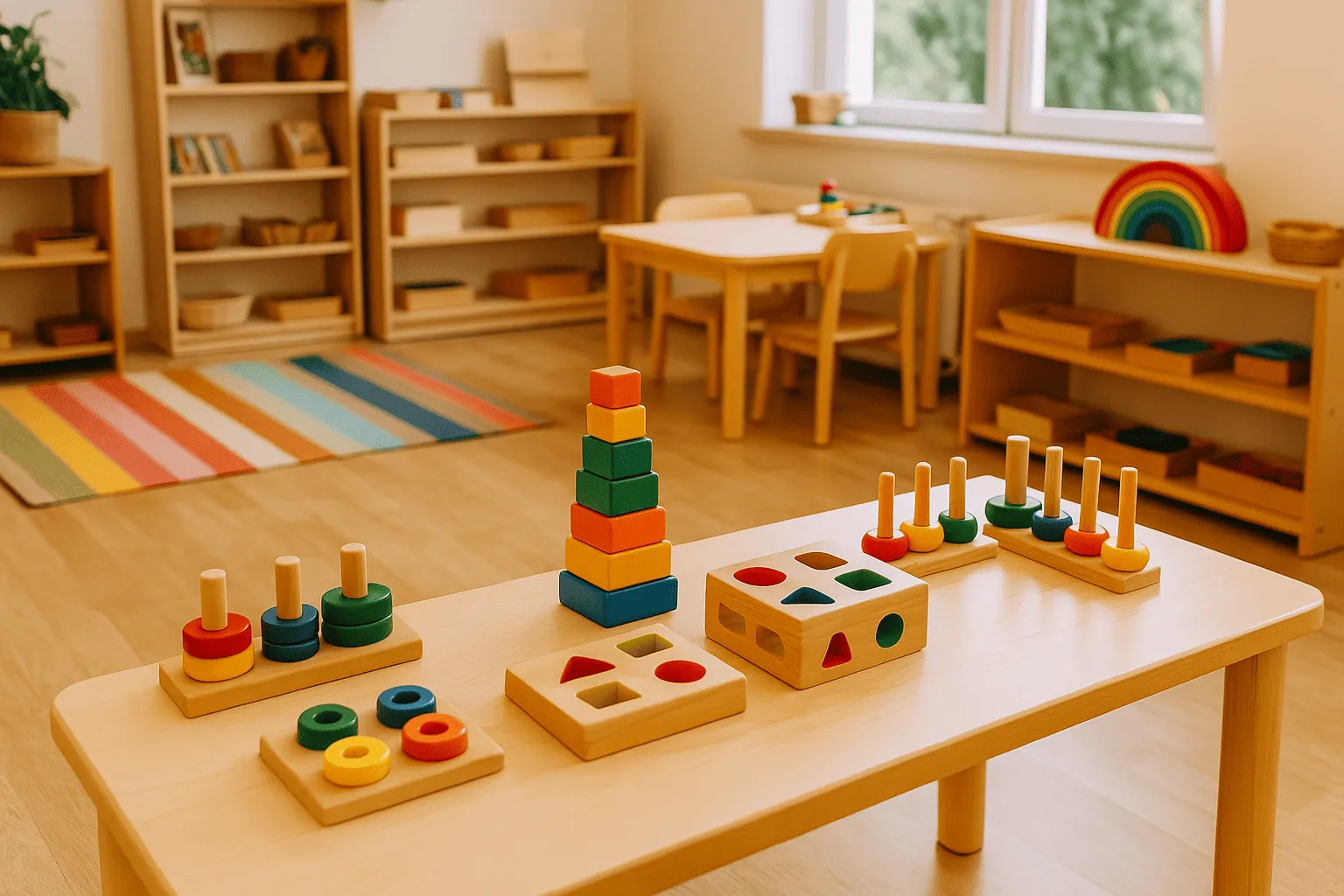
A fundamental aspect of Montessori education is the prepared environment. This environment is thoughtfully designed to encourage exploration, learning, and independent activity. For instance, consider a traditional classroom that is being adapted to fit Montessori principles. The teacher can rearrange the furniture to create distinct learning areas—reading, art, and science zones—that allow children to engage in various activities on their own. Class materials should be accessible, inviting, and aesthetically pleasing. By providing an environment that supports autonomy, children can choose their activities, fostering a sense of ownership and responsibility for their learning.
Fostering Autonomy
Montessori education champions autonomy, allowing children to take charge of their own educational journey. For example, in a kindergarten class, children might be given the choice to work on different projects—from building structures with blocks to creating art with various materials. This freedom to choose promotes decision-making skills and encourages children to follow their interests and passions. Teaching students to respect one another’s space and offerings further nurtures a community of learners, reinforcing the idea that learning is a shared experience.
Observation: The Art of Learning
Observation is another key component of Montessori pedagogy. Educators are encouraged to observe children closely, noting their interests, skills, and developmental stages. For student teachers planning their first Montessori environment, this involves engaging in regular observation sessions. By watching how students interact with the materials and each other, educators can tailor their lessons and activities to meet individual needs. This leads to more authentic, personalized learning experiences.
Learning Through the Senses
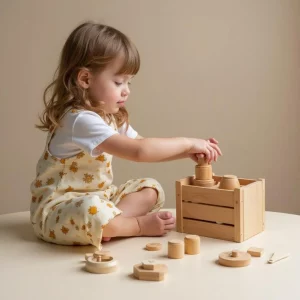
Sensory learning is a core principle of Montessori education. Children learn best through direct experiences, utilizing their senses. For example, in a prepared Montessori classroom, materials such as textured blocks, scented jars, or sound boxes allow children to explore their world through touch, smell, and sound. A student teacher might introduce a sensory activity using different fabrics and textures, enabling students to express themselves creatively while honing their sensory awareness. This experiential learning approach correlates with the natural curiosity of children, encouraging them to explore and understand their surroundings.
The Role of the Educator
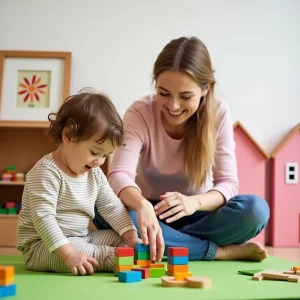
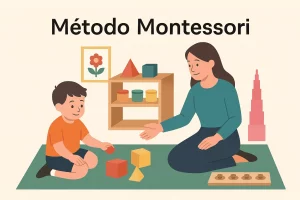
In Montessori pedagogy, the educator’s role transitions from a traditional instructor to a guide or facilitator of learning. This shift is crucial for fostering an enriched learning environment. Instead of delivering content directly, educators create opportunities for discovery, encouraging students to ask questions and seek answers independently. For instance, in a mixed-age classroom, older students can mentor younger peers, promoting collaborative learning and community spirit. This dynamic not only benefits individual learners but also strengthens classroom relationships and creates a supportive cultural framework.
Implementing Montessori Principles in Diverse Contexts
The principles of Montessori pedagogy can be applied in diverse educational contexts. As discussed earlier, a traditional classroom can evolve into a Montessori environment through thoughtfully organized spaces and engaging materials. Alternatively, a homeschool setting can embody Montessori principles by emphasizing individualized learning. For homeschooling parents, incorporating hands-on activities and community outings can help facilitate a Montessori-style education at home. The flexibility of the Montessori approach means it can adapt to suit a variety of educational preferences and environments.
Further Reading and Resources
For parents, educators, and teacher-trainees who seek a deeper understanding of Montessori pedagogy, there are several resources available. A great starting point is the guía completa sobre la pedagogía Montessori. This comprehensive guide covers various aspects and applications of the Montessori method, providing valuable insights for informed decision-making. Additionally, our introducción a la pedagogía Montessori is an excellent resource for those new to this educational philosophy, introducing foundational concepts that align with Montessori principles.
Understanding Maria Montessori
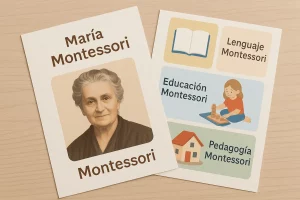
To truly grasp the essence of Montessori education, one must recognize the visionary behind it: María Montessori. Her profound understanding of child development and education transformed how we view learning environments today. Insights into Montessori’s life and methodologies can enhance the practice of educators and parents alike.
Harnessing Technology in Montessori Education
With the advent of technology, the Montessori approach has also embraced innovative tools to support learning. The use of digital resources in the classroom, such as interactive applications, can supplement hands-on activities while still adhering to Montessori principles. For instance, an educator might use an app that reinforces math concepts through engaging exercises while allowing students the autonomy to learn at their own pace.
The Future of Montessori Education
As Montessori education continues to evolve, it remains a powerful alternative for parents and educators seeking a child-centered approach. The diverse applications of the Montessori method—whether in traditional schools, homeschooling, or innovative educational settings—provide a rich landscape for fostering lifelong learners. Resources like our website the Montessori Maria website offer ongoing support, ideas, and advancements in the field, including the latest articles on effective practices and knowledge in Montessori education.
Conclusion
In summary, understanding pedagogia montessori opens up a world of possibilities for parents, educators, and teacher-training students. By prioritizing a prepared environment, fostering autonomy, and implementing thoughtful observation and sensory learning, we can nurture a generation of independent thinkers and compassionate learners. To continue learning about Montessori education, check out our latest articles such as Understanding the Montessori Method, and Understanding Montessori Pedagogy.