Introduction
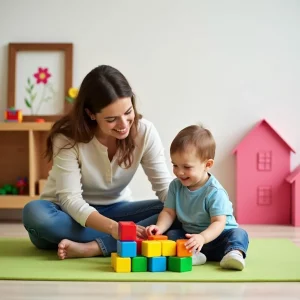
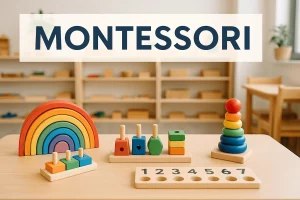
In today’s fast-paced world, many families search for “Montessori near me” or “Montessori school near me” when looking for effective educational guidance for their children. This signifies a growing interest in the Montessori approach, which emphasizes child-led learning and development. Our website provides a Montessori locator and helpful guides, which can assist you in finding the right resources for your educational needs. You can explore your options at Montessori near me and discover more about what Montessori entails by visiting our Montessori school offerings in Terni, Umbria at Montessori School Terni.
A Brief Biography of María Montessori
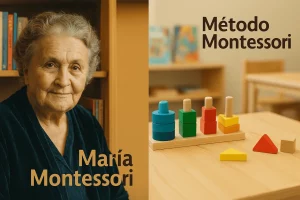
María Montessori was an Italian physician and educator who developed the Montessori Method of education in the early 1900s. Born on August 31, 1870, in Chiaravalle, Italy, she became the first woman to graduate from the University of Rome’s medical school. Her innovative approach to education stemmed from her experiences working with children with disabilities. Montessori believed that education should be child-centered and support the natural developmental stages of a child. She founded the first Montessori school, the Casa dei Bambini, in 1907. Today, the principles of her educational philosophy are implemented in thousands of schools worldwide. For an in-depth exploration of her legacy, visit María Montessori y su legado.
The Montessori Method and Principles
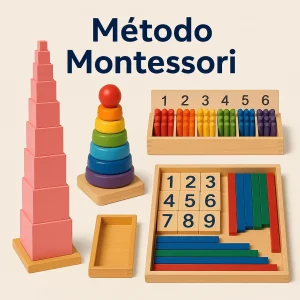
The Montessori method focuses on fostering independence, critical thinking, and a lifelong love of learning. Unlike traditional educational models, the Montessori approach encourages children to explore their interests at their own pace. This self-directed method empowers children to become active participants in their learning journeys. For a more detailed understanding of this educational technique, check out our page on the método Montessori.
Real-Life Examples of Montessori Implementation
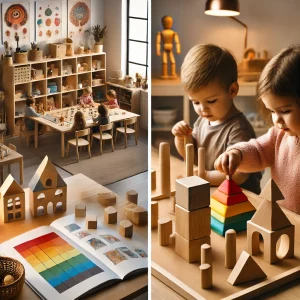
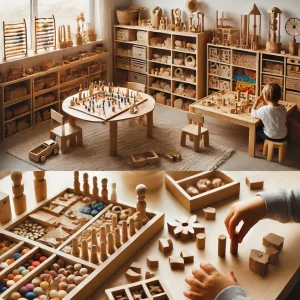
Implementing Montessori principles can transform both home and educational environments. One practical example involves a teacher reorganizing their classroom based on Montessori methods. Instead of a conventional layout, the teacher might set up a series of stations that promote hands-on learning and exploration. For instance, a math station could feature natural materials like beads or wooden blocks, allowing students to work independently or in small groups, facilitating collaborative learning.
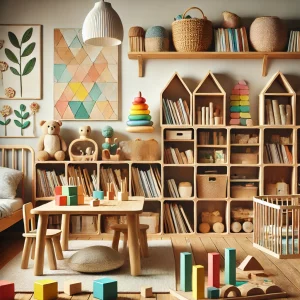
Similarly, parents can adopt Montessori principles at home by creating an environment conducive to independence. This might include setting up a child’s room to encourage self-sufficiency. For example, parents can place clothing and personal items within easy reach of their children, allowing them to dress themselves. They can also set up designated areas for various activities, such as an art corner with accessible materials, promoting creativity and decision-making.
Montessori Pedagogy in Action
The essence of pedagogía Montessori lies in its recognition of the sensitive periods of development in children. These periods are characterized by heightened abilities in specific areas. For instance, during the ages of 3-6, children are particularly sensitive to language acquisition. Montessori classrooms offer rich language environments filled with books, storytelling, and engaging linguistic activities to nurture this sensitivity.
Adapting Montessori to Your Needs
Families and educators who are new to the Montessori methodology might be unsure about how to effectively transition to this learning style. A useful starting point is to engage with our AI assistant, MarÍA, available on the Montessori Maria website, which provides personalized tips and guidance tailored to your specific educational journey. Our resources can help you understand how to incorporate Montessori principles into your daily life.
Special Considerations for Montessori Education
When looking for a Montessori school, it’s essential to consider the authenticity of the institution. Some schools may claim to be Montessori but may not fully implement the methods or principles developed by María Montessori. We encourage parents to research schools thoroughly and to ask about teacher training and classroom environments. This will ensure that children receive the enriching, child-centered experience intended by the Montessori method.
Recent Articles on Montessori Education
For those interested in learning more about Montessori education, several recent articles delve deeper into the subject. Check out “Exploring Montessori: A Guide for Parents Seeking Educational Solutions” here and “Understanding Montessori Pedagogy: A Comprehensive Guide for Parents and Educators” here. Additionally, our insightful piece “Understanding Montessori Education: A Comprehensive Guide for Parents and Educators” here provides key insights into the Montessori methodology.
For further insights, “Understanding the Montessori Method: A Comprehensive Guide for Parents and Educators” here also explores the principles that guide the Montessori approach. Finally, for an in-depth look at María Montessori herself, be sure to check out “Understanding María Montessori: A Guide for Parents and Educators” here.
Conclusion
María Montessori’s educational philosophy has stood the test of time, as evidenced by the increasing number of families seeking “Montessori near me” when searching for educational solutions. By understanding and implementing the Montessori Method, both educators and parents can encourage a lifelong love of learning in children. For those looking to explore the practicality of Montessori education, we invite you to visit our website for more resources and to connect with like-minded families.