Understanding Montessori Education
Parents and educators across the globe are increasingly searching for Montessori education options, often using phrases like “Montessori near me” or “Montessori school near me”. This search highlights a growing interest in educational alternatives that foster independence, curiosity, and a love of learning. Our website features a Montessori locator tool, making it easy for families to find Montessori schools in their vicinity, such as those listed in the key examples.
The Home Environment
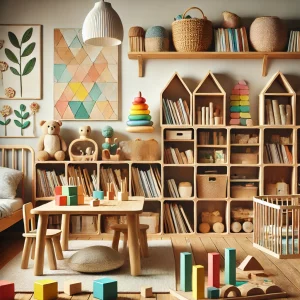
The Montessori philosophy can be implemented effectively at home, allowing parents to support their children’s natural development while promoting independence. Creating a Montessori-inspired home environment involves arranging spaces that empower children to engage with their surroundings without excessive adult intervention.
Creating a Montessori Kitchen Space
One practical example is setting up a Montessori-style kitchen. Parents can adjust their kitchen space by lowering shelves, placing child-sized utensils, and organizing food containers that children can access independently. This not only fosters a sense of responsibility but allows children to participate in cooking and food preparation from an early age, paving the way for self-care and autonomy.
You can also incorporate a range of activities, such as washing vegetables or setting the table, which teach practical skills while improving fine motor skills. This aligns with Montessori’s holistic approach, readily achievable at home, and aligns beautifully with the principles outlined in this introduction to Montessori pedagogy.
The School Environment
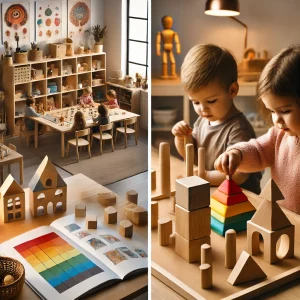
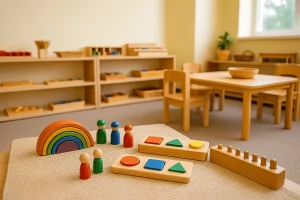
In the school environment, the Montessori approach thrives on a well-prepared environment that encourages exploration and self-directed learning. Educators play a pivotal role in setting up spaces that support children’s developmental needs by arranging materials and activities that promote independence and critical thinking.
Adaptation of Learning Spaces
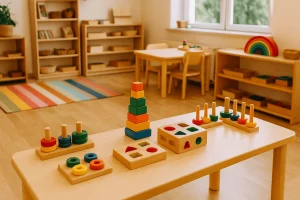
Consider a scenario in a Montessori classroom where a teacher adapts the shelves to enhance independence. Shelving units that are accessible to children allow for easy retrieval of materials and foster decision-making about what they wish to learn. For instance, a child might choose to explore a math activity or engage in a sensory exercise without waiting for teacher approval, facilitating a sense of autonomy that is at the core of the Montessori method.
This dynamic setting not only nurtures academic learning but also cultivates emotional regulation as students learn to navigate their choices. Self-regulation is a critical part of emotional development, and students in a Montessori environment can benefit greatly by learning to manage their time and impulses effectively.
Emotional Development
Emotional development in children is crucial for their overall well-being and success in life. Montessori education places significant emphasis on nurturing emotional intelligence alongside cognitive skills, making it a unique alternative to traditional educational models.
Fostering Emotional Intelligence
In a Montessori classroom, children learn to express their feelings, develop empathy, and handle conflicts in a constructive manner. For example, during group activities, children may encounter disagreements. Rather than having a teacher resolve conflicts, the facilitators encourage children to communicate their feelings and perspectives. This practice promotes emotional literacy and empowers children to find solutions, thus honing their interpersonal skills.
By fostering an environment where discussions about emotions are normal, students become adept at understanding their emotional landscape and that of others. This connection is vital as they grow into adults and face complex emotional situations.
Tools and Resources
For those interested in understanding the Montessori method deeper, the complete guide on Montessori pedagogy is an excellent resource. It breaks down the key principles and practices that define Montessori education, providing parents and educators with the knowledge they need to implement these strategies effectively.
Additionally, for personalized assistance, families can explore the Montessori Maria platform and its AI assistant MarÍA, which offers tailored guidance and resources to make the Montessori journey smoother.
Conclusion
Montessori education provides an enriching framework for families and educators interested in fostering independence, emotional intelligence, and a passion for learning in children. Whether you’re searching for Montessori options near you or seeking to create a conducive home learning environment, the principles discussed in this article can be your guide.
For those new to this approach, the Understanding Montessori series provides additional insights on the benefits and implications of choosing this educational path. Additionally, stay informed with the latest articles on Montessori education, such as this comprehensive guide.
As more families embrace the Montessori philosophy, the learning community will continue to grow, providing countless opportunities for children to thrive. Explore our resources and take the first steps towards enriching your child’s education today!