Introduction
In today’s education landscape, many families are searching for “Montessori near me” or “Montessori school near me” as they seek the best environment for their children’s growth and development. This interest illustrates a growing trend among parents and educators eager to adopt methods that prioritize independence, respect, and a love for learning. Our website offers a helpful Montessori locator and guides to assist you in finding the right resources, which you can explore further here.
A Brief Biography of María Montessori
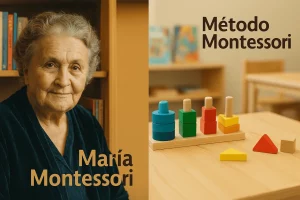
María Montessori was born on August 31, 1870, in Chiaravalle, Italy. She was the first woman to graduate from the University of Rome’s medical school, where she initially pursued a career in medicine. However, her experiences observing children in psychiatric institutions led her to a deeper understanding of child development. Montessori began applying her findings in a classroom setting, leading to the establishment of the first Montessori school, Casa dei Bambini, in 1907.
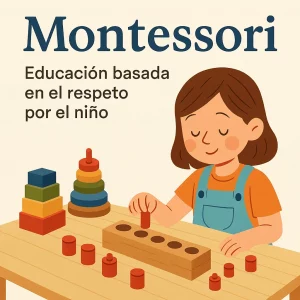
Her educational philosophy is built on the belief that children learn best in an environment that promotes exploration, independence, and respect for their innate curiosity. Today, Montessori education is recognized worldwide, with many parents exploring the legacy of María Montessori as they seek ideal educational settings for their children.
Principles of Montessori Education
At the core of the Montessori method are several key principles that differentiate this approach from traditional educational systems:
- Child-Centered Learning: Children are encouraged to take ownership of their education, exploring topics that interest them at their own pace.
- Prepared Environment: Classrooms are designed to provide a range of learning materials and activities that cater to different learning styles.
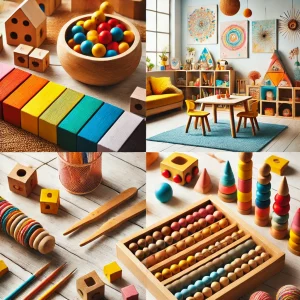
- Hands-On Learning: Montessori emphasizes experiential learning, allowing children to learn through exploration and discovery.
- Respect for the Child: Educators serve as guides, respecting each child’s learning journey and individual pace.
In Practice: Real-Life Examples
Reorganizing the Classroom
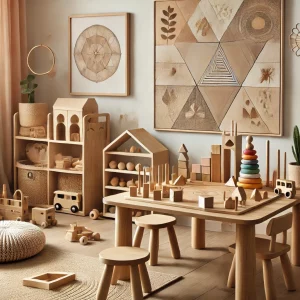
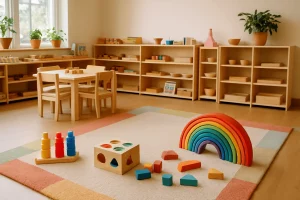
In a typical Montessori classroom, a teacher might take the time to reorganize their space to better facilitate independent learning. For instance, instead of traditional desks arranged in rows, they might create learning centers where children can engage in various activities. Each center would provide materials that correspond to different subject areas, allowing children to choose what they want to focus on, such as a math station with manipulatives, a reading nook filled with books, or an art corner stocked with supplies.
Preparing a Child’s Room for Independence
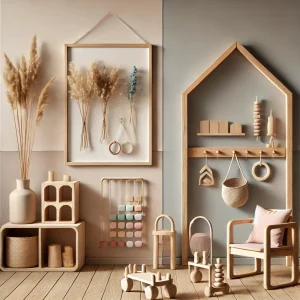
Parents can also apply Montessori principles at home by preparing a child’s room to foster independence. This may involve placing toys on low shelving, allowing children to access them without assistance, or even creating a small kitchen area where they can help prepare their own meals with child-sized utensils. These small changes empower children to take charge of their environment, encouraging them to make choices and develop responsibility.
The Importance of Community
As the demand for suitable educational environments grows, parents often come together to share insights about Montessori education. Participating in forums or local groups focusing on Montessori methods can provide valuable resources. Additionally, it is encouraged to visit different Montessori schools to find one that resonates with your family’s values.
Montessori’s Global Influence
The impact of Maria Montessori’s work is seen all over the globe, with thousands of schools adopting her educational framework. Montessori education has expanded beyond just traditional classrooms; many families are implementing Montessori principles at home. A recent study showcases the benefits of a Montessori education, where children often exhibit greater emotional intelligence and problem-solving skills.
Understanding Montessori Pedagogy
For those seeking a more profound understanding, delving into Montessori pedagogy can provide extensive insights into how to implement these methods effectively both at home and in educational settings. Furthermore, educational institutions are increasingly offering teacher training programs focused on Montessori practices, equipping future educators with the necessary tools to succeed.
Navigating Resources
As a parent or educator, the resources available on the Montessori Maria website are invaluable. Here, you can find articles tailored to guide parents in understanding Montessori education, such as Exploring Montessori Pedagogy and Understanding Montessori Education. These resources are designed to empower families to make informed choices and approach education with confidence.
The Role of Technology in Montessori Learning
Modern technology also plays a vital role in Montessori education. Today, educators and parents can utilize online platforms to supplement hands-on learning. Our artificial intelligence assistant, MarÍA, available on the Montessori Maria website, can help guide parents to appropriate educational tools and methods, ensuring the Montessori philosophy adapts and thrives in today’s digital age.
Conclusion
Understanding and implementing Montessori principles can profoundly impact a child’s educational journey. As more families search for “Montessori near me,” it is essential to have reliable sources for guidance. Resources like the Montessori locator and the wealth of information found on the Montessori Maria website are invaluable tools for families seeking to support their children’s growth. By embracing the ideas of María Montessori, parents and educators can work together to create enriching learning environments that foster a lifelong love for learning.
Further Reading
For those interested in continuing their exploration of this transformative educational approach, we recommend reading articles like Understanding the Montessori Method and Understanding Maria Montessori. Each piece offers insights that will deepen your appreciation of this extraordinary educational philosophy.