Montessori Education and Its Global Appeal
Parents and educators around the world are increasingly interested in Montessori education, frequently searching phrases like “Montessori near me” or “Montessori school near me” in hopes of finding the right environment for their children. The Montessori approach offers a transformative way to nurture children’s natural curiosity, independence, and love for learning. By using resources such as the Montessori Maria platform, parents can locate nearby Montessori schools and access tools for better understanding this innovative method.
Creating a Montessori Home Environment
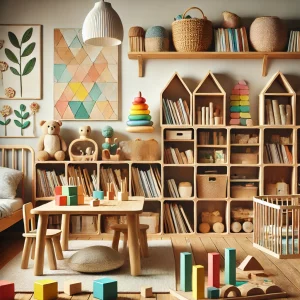
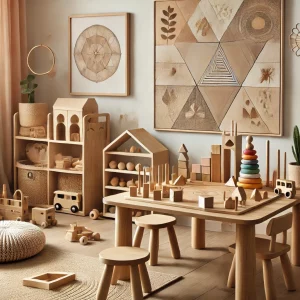
The home is where a child’s educational journey begins. By incorporating Montessori principles into the home, parents can create an environment that fosters independence and creativity. Simple adjustments in home organization can make a significant difference. For instance, parents can adapt their kitchen space to be more Montessori-friendly by arranging utensils and ingredients on lower shelves, allowing children to engage in cooking tasks independently.
Concrete Examples of Home Adaptations
Consider a family that has transformed their kitchen into a Montessori-inspired space. They set up child-sized furniture, and labeled containers for snacks and meal prep items, which encourages autonomy during meal times. This not only empowers children but also helps them develop essential life skills.
Moreover, by creating a dedicated area for art supplies where children can easily access paints, papers, and tools, parents encourage self-expression and creativity. By using child-sized tables and low storage options, these spaces promote independence and decision-making, allowing children to select their materials and work on projects independently.
The Montessori School Environment
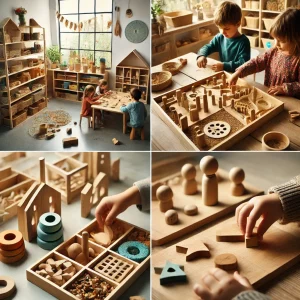
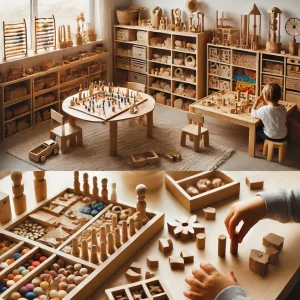
The Montessori school environment is intentionally designed to foster self-directed learning and discovery. Educators in these settings provide a rich array of learning materials and activities that are chosen based on the interests and developmental stages of each child. An example of this can be found in the way educators organize their classrooms.
Freedom and Responsibility in Learning
In a Montessori classroom, you might see shelves adapted to allow children to independently select materials. For example, a teacher might alter the arrangement of learning tools to attract specific students towards different subjects based on their interests. This allows children to pursue what captivates them, building intrinsic motivation.
Additionally, students benefit from moments of quiet reflection, where they practice skills of self-regulation. For instance, a child struggling to focus may retreat to a designated calm area in the classroom, equipped with supportive materials that encourage concentration and self-soothing techniques. This level of respect for each child’s emotional needs contributes greatly to their development.
Fostering Emotional Development through Montessori
Emotional development is a crucial aspect of Montessori education, which is designed to nurture a child’s emotional intelligence and social skills. The respectful interactions between children and educators facilitate a learning environment where emotions are understood and valued.
Examples of Emotional Growth in Montessori Settings
For instance, when conflicts arise among students, Montessori educators often guide the children through problem-solving techniques rather than immediately stepping in. This allows children to navigate their emotions and learn how to respect others’ feelings, which is essential for their social development.
Moreover, emotional literacy is fostered through various activities, such as storytelling and role-playing. These empowering exercises enable children to explore and express their emotions in a safe space, enriching their understanding of themselves and those around them.
Resources and Further Learning
For parents and educators looking to delve deeper into this educational method, there are comprehensive resources available. The guía completa sobre la pedagogía Montessori is a great starting point, providing insights into the transformative approach of Montessori education.
Additionally, the introducción a la pedagogía Montessori offers a fantastic overview for new families interested in understanding the basic principles that guide this educational philosophy.
Conclusion
In conclusion, Montessori education not only transforms school experiences but also empowers families to create nurturing, educational environments at home. By understanding and implementing the Montessori principles, parents can better support their children’s journey towards independence, self-regulation, and emotional growth. If you’re searching for immediate resources, don’t hesitate to use tools like “Montessori near me” to locate nearby schools and connect with communities that share these values.
Explore more insights and articles on Montessori education at Montessori Maria, including the latest articles on the subject: Understanding the Montessori Method, Understanding Maria Montessori, Understanding Montessori for Parents, A Comprehensive Guide to Montessori Education, and A Comprehensive Guide for Parents and Educators.