Introduction to the Montessori Method
In today’s educational landscape, many parents and educators are searching for better learning options, which is evident from frequent searches like “Montessori near me” and “Montessori school near me”. These searches reflect a growing global demand for accessible Montessori resources. If you’re looking for a Montessori school or program in your area, our website offers a handy Montessori locator, helping you find educational institutions worldwide, such as in cities like Oberursel, Germany.
What is the Montessori Method?
The Montessori Method was developed by Dr. María Montessori, an Italian physician, and educator, in the early 20th century. This educational approach emphasizes independence, freedom within limits, and respect for a child’s natural psychological development. The Montessori method operates under several fundamental principles:
- Child-Centered Learning: Children are seen as active participants in their own learning process.
- Prepared Environment: Classrooms are organized and equipped to foster independence and exploration.
- Mixed-Age Classrooms: Children of different ages learn from each other, fostering a sense of community.
- Hands-On Learning: Materials are designed to stimulate the senses and encourage discovery.
Real-Life Scenarios in Montessori Education
To better understand the Montessori Method, let’s explore two scenarios: one at home and another in a school environment.
A Morning Routine at Home
Imagine a family transitioning their morning routine to incorporate Montessori principles. The child wakes up and chooses their own clothes from a low-hanging rack instead of relying on parents to dress them. After getting dressed, they help prepare breakfast, perhaps by selecting their favorite fruit to eat or pouring their own cereal into a bowl. This autonomy not only builds independence but also encourages responsibility and decision-making skills. By allowing children to engage in daily tasks, parents can foster confidence and self-reliance, serving as a practical application of pedagogía Montessori.
A Mixed-Age Classroom Scenario
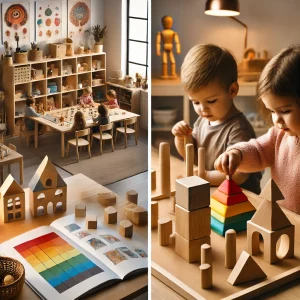
In a Montessori classroom, children of various ages learn together, each contributing to a collaborative learning environment. For instance, a five-year-old may be helping a three-year-old with a puzzle. In this situation, the older child reinforces their own learning while providing guidance, cultivating leadership skills and nurturing empathy. Meanwhile, the younger child benefits from peer modeling, which enhances their problem-solving abilities. This scenario illustrates another advantage of the Montessori method; by working together, children develop social skills and deepen their understanding of shared knowledge.
The Role of the Educator in Montessori
In a Montessori setting, educators take on the role of a guide or facilitator rather than a traditional instructor. They observe each child’s interests and progress, tailoring their support accordingly. This personalized attention allows children to explore subjects deeply and at their own pace.
Creating Prepared Environments
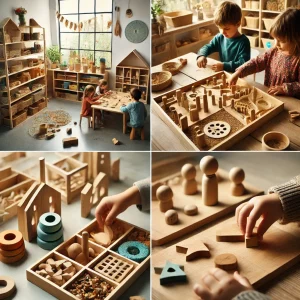
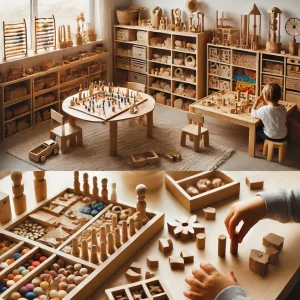
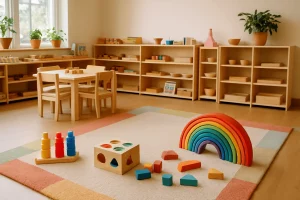
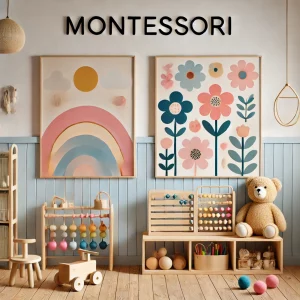
A prepared environment is critical in Montessori education. Classrooms are carefully organized with accessible materials that encourage exploration and creativity. For instance, trays with different activities are set up around the room, allowing children to select what they want to engage with. This setup promotes autonomy and encourages each child to follow their natural curiosity.
The Legacy of María Montessori
Dr. María Montessori has left an indelible mark on the world of education. Her methods challenge traditional education by prioritizing the needs of the child and encouraging a holistic approach to learning. As she famously said, “The greatest sign of success for a teacher is to be able to say, ‘The children are now working as if I did not exist.’” This quote encapsulates the essence of her approach, where children become self-directed learners who are passionate about discovery and growth.
Benefits of the Montessori Method
The benefits of the Montessori Method are numerous:
- Fosters Independence: Children learn to do things for themselves, which builds confidence.
- Encourages Critical Thinking: Students learn to analyze, evaluate, and create instead of just memorizing information.
- Promotes Social Skills: By interacting in mixed-age classrooms, children enhance their social capabilities and teamwork.
- Supports Emotional Development: Children are better prepared to handle their emotions and understand the feelings of others.
Finding a Montessori School
With the growing interest in the Montessori Method, many parents are searching for programs that adhere to these principles. This is why resources such as Montessori near me can be invaluable. Our Montessori locator connects families with schools that provide Montessori education tailored to their community’s needs. Whether it’s a local program, a private institution, or an international school, having access to a suitable learning environment is crucial.
Conclusion
Understanding the Montessori method provides valuable insights for parents and educators alike. By emphasizing independence, respect for a child’s learning journey, and fostering a love for learning, the Montessori Method stands out as an effective educational approach. Families interested in exploring this unique methodology can utilize our resources, including our Montessori Maria website and its AI assistant MarÍA, to deepen their understanding and discover opportunities that align with Montessori principles.
Further Reading
For those interested in exploring the Montessori approach further, consider reading our latest articles on the Montessori education and the comprehensive guides available at our site, including topics like understanding María Montessori and her legacy, and a thorough overview of Montessori pedagogy.