The Global Demand for Montessori Resources
In today’s world, a growing number of parents and educators are searching for effective teaching methods that foster independence and creativity in children. Common searches such as “Montessori near me” and “Montessori school near me” reflect a global desire for accessible Montessori resources. This demand highlights the need for clear information about the methodologies behind this educational approach. Our website provides a Montessori locator to help families find nearby programs and offers international examples, ensuring that anyone interested can discover the transformative power of the Montessori method. For instance, if you are in Oberursel, Germany, you can explore specific Montessori options available in your area through this link: Montessori in Oberursel.
What is the Montessori Method?
The Montessori method is an educational approach developed by Dr. María Montessori in the early 20th century. It emphasizes child-centered learning, where children are encouraged to explore their interests in a prepared environment while being guided by trained educators. This method supports each child’s natural development in various areas including cognitive, social, emotional, and physical growth.
Fundamental Principles of Montessori Education
The Montessori method is built upon several key principles that distinguish it from traditional educational practices. Firstly, it recognizes that children learn best in a self-directed manner. This philosophy allows children to choose their activities and work at their own pace, thereby promoting a sense of autonomy and responsibility.
Secondly, the mixed-age classroom setting is a hallmark of the Montessori approach. This environment allows younger children to learn from older peers while older children reinforce their knowledge by teaching the younger ones, fostering a sense of community and collaboration.
Lastly, the role of the educator is fundamentally different in Montessori settings. Instead of being a primary source of knowledge, educators act as facilitators, guiding children and offering support as they explore their interests.
Real-Life Montessori Scenarios
Morning Routine at Home
Implementing the Montessori method at home can be both rewarding and practical. For instance, a morning routine can become an exercise in independence for children. Rather than having parents direct every action, a Montessori approach encourages children to take charge of their own routine.
A child might begin their day by waking up and choosing their own clothes from a neatly organized wardrobe that is accessible at their height. Next, they can be encouraged to prepare their own breakfast, choosing from simple options that they can handle independently, such as pouring cereal or spreading butter on toast. By allowing children to manage their morning routine, parents cultivate a sense of autonomy and self-respect in their young ones, hallmarks of the método Montessori.
Mixed-Age Classroom Scenario
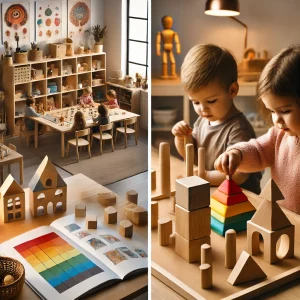
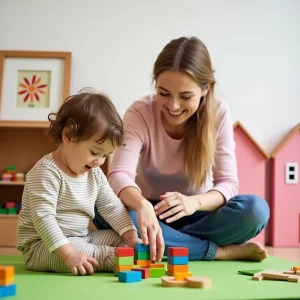
In a Montessori classroom, you might find children aged three to six learning together. For example, during a work period, a five-year-old might be helping a new three-year-old with a puzzle. As the older child assists, they not only reinforce their understanding of problem-solving but also develop communication and leadership skills.
The educator in this scenario observes rather than intervenes, allowing the interaction to take place naturally. When the younger child achieves success with the puzzle, it builds their confidence, demonstrating one of the core tenants of Montessori education: that children learn through exploration and constructive play.
The Legacy of María Montessori
Understanding the Montessori method inevitably includes an appreciation for the pioneering work of María Montessori. Her innovative ideas about education were revolutionary, shifting the focus from rote learning to interactive, experiential education. For parents and educators looking to implement Montessori principles, familiarizing themselves with her life and work is crucial.
How to Find Montessori Resources
For those interested in the Montessori approach, there are ample resources available online. Our website offers a comprehensive guide on understanding the Montessori method, including clarity on how to apply its principles effectively at home and in educational settings. You can explore this guidance in our article on understanding the Montessori method.
Further Reading and Resources
Educators can greatly benefit from delving deeper into the pedagogical philosophies underpinning the Montessori method. For a broader understanding of how this approach transforms education, check out our extensive guide on pedagogía Montessori, offering insights and practical tips for implementation.
Using Montessori at Home
Incorporating Montessori principles into daily life can create an enriching environment for children beyond the classroom. By emphasizing structure, choice, and respect for the child’s individuality, parents can help cultivate a love of learning. Start small by observing your child’s interests and providing resources that support those interests, which is a fundamental component of the Montessori approach.
Engaging with the Community
Participating in local Montessori communities can also boost your understanding and provide useful networking opportunities. Attend workshops, participate in discussions, and utilize our Montessori locator to find nearby schools and resources. With so much demand for Montessori education, as indicated by the frequency of questions about Montessori near me, engaging with local communities can provide significant support as you explore these educational approaches.
The Role of AI in Montessori Education
In the age of technology, artificial intelligence can play a unique role in supporting Montessori education. Our Montessori Maria website and its AI assistant MarÍA offers parents and educators tools to enhance their understanding of the Montessori method and make personalized learning experiences for children. By leveraging AI, families can receive tailored advice, find resources, and access supportive communities, emphasizing the individualized nature of Montessori principles.
Conclusion
In conclusion, the Montessori method provides a powerful framework for nurturing a child’s natural curiosity and desire to learn. By focusing on autonomy, mixed-age collaboration, and the unique role of educators, parents and educators can create environments that not only foster individual growth but also a love of lifelong learning. Whether you’re searching for “Montessori near me” or looking for ways to implement Montessori principles at home, resources are readily available to support you on this journey. Explore further through our articles and guides, such as understanding Montessori and understanding María Montessori as you delve deeper into this transformative educational approach.