Introduction
In recent years, searches like “Montessori near me” and “Montessori school near me” have surged, reflecting a global need for accessible Montessori resources. The Montessori method offers an innovative approach to education that fosters independence, critical thinking, and a love for learning. Parents and educators alike are increasingly recognizing its value, seeking ways to implement its principles in their own homes or classrooms. For those interested in finding local Montessori options, our website features a Montessori locator that can help you discover schools and resources in your area, including examples from across the globe. You can find a nearby Montessori school by visiting Montessori near me or explore specific locations like Oberursel, Germany.
Fundamental Principles of the Montessori Method
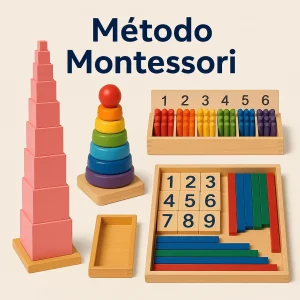
At its core, the metodo montessori is built on several fundamental principles that distinguish it from traditional educational approaches. Firstly, it emphasizes child-led learning, where the interests of the child guide the educational process. In this method, educators are seen as facilitators rather than mere instructors. Children engage in self-directed activities, allowing them to explore their interests at their own pace.
Secondly, mixed-age classrooms are a foundation of Montessori education. This environment allows younger children to learn from older peers, promoting collaboration and social interaction. It creates a sense of community and respect for one another’s learning journeys.
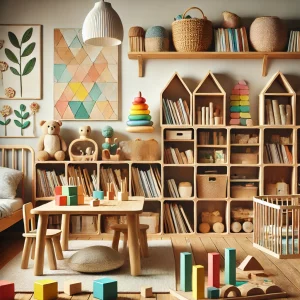
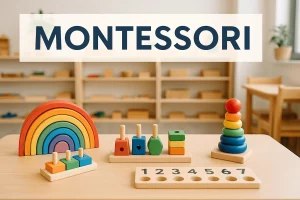
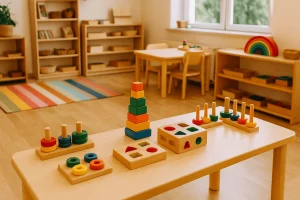
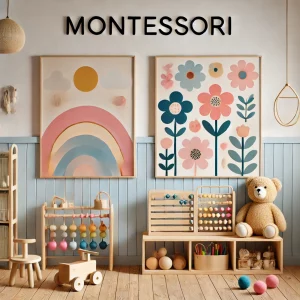
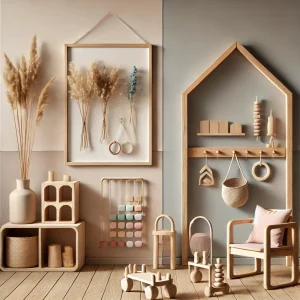
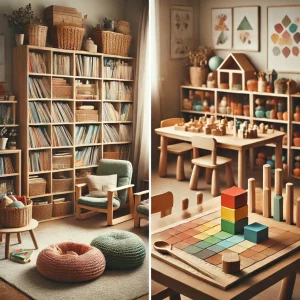
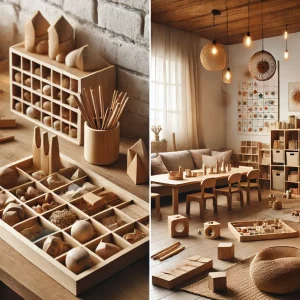
Moreover, the physical environment is specifically designed to nurture a child’s natural curiosity. Classrooms are equipped with materials that invite exploration and discovery, and they are often arranged in a way that encourages movement and interaction.
Real-Life Application: Morning Routine at Home
To understand the Montessori method in practice, consider a morning routine at home. In a Montessori household, a child’s morning might start with them waking up at their own pace, rather than being rushed out of bed. The parents can create an accessible space where the child can choose their clothes independently, fostering autonomy. By having a low-hanging mirror and shelf with clothing within reach, the child can dress themselves, which instills a sense of confidence and independence.
After getting dressed, the child may choose to prepare their breakfast. A designated area in the kitchen with child-friendly tools and ingredients allows them to make simple meals, like a piece of fruit or oatmeal, effectively integrating practical life skills into their daily routine. This self-sufficiency not only teaches them essential life skills but also reinforces the idea that they are capable individuals.
Real-Life Application: Mixed-Age Classroom Scenario
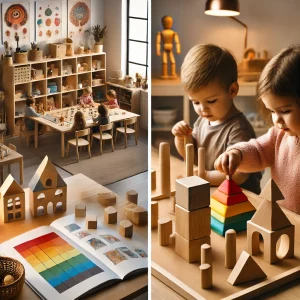
Now let’s explore a mixed-age classroom scenario in a Montessori school. In this setting, you’ll find children ranging from 3 to 6 years old engaging in various activities together. An older child might help a younger one with a puzzle, demonstrating problem-solving strategies while reinforcing their own understanding.
Meanwhile, another group is engaged in a sensory activity, pouring rice between different containers to explore concepts of volume. The teacher observes, gently guiding where necessary but allowing children to learn through their experiences. This method cultivates peer learning and mentorship while developing social skills and emotional intelligence.
Exploring Further: The Legacy of Maria Montessori
To dive deeper into the Montessori approach, you may find it helpful to explore the legacy of María Montessori, the pioneer behind this educational method. Her philosophy emphasized the importance of nurturing a child’s potential, understanding that each child is unique and learns in their own way. In a world that often promotes standardized testing and one-size-fits-all teaching, the Montessori method offers a refreshing alternative that focuses on individual growth and personal discovery.
Implementing Montessori Principles at Home
Implementing Montessori principles at home can be a rewarding experience for both parents and children. Consider setting up an organized space where learning materials are accessible. This can include books, art supplies, and educational games tailored to your child’s interests and developmental stage. By encouraging your child to select their learning activities, you foster their independence and ignite their love for learning.
Resources for Parents and Educators
For those who want to understand more about the pedagogía Montessori, we offer a range of resources. Our comprehensive guide, pedagogía Montessori, provides insights into its principles and applications. Additionally, you can access articles through our website that discuss methods, tools, and stories from the Montessori community. Recent blogs can further enrich your understanding:
- Understanding Maria Montessori: A Guide for Parents and Educators
- Discovering Montessori: A Guide for Parents Seeking Meaningful Educational Experiences
- Understanding Montessori Pedagogy: A Comprehensive Guide for Parents, Educators, and Teacher Training Students
- A Comprehensive Guide to Montessori Education for Parents and Educators
- Understanding the Montessori Method: A Guide for Parents and Educators
Conclusion
The Montessori method offers a transformative approach to education that prioritizes the child’s natural development. By understanding its principles and incorporating them into daily life, parents and educators can foster a love for learning in children. To further explore Montessori resources and find schools in your area, utilize our Montessori near me locator and feel free to engage with our Montessori Maria website and its AI assistant MarÍA, which can provide personalized guidance and support on your journey into the world of Montessori education.