The Growing Interest in Montessori Education
In recent years, there has been a noticeable surge in the search for “Montessori near me” and “Montessori school near me” on the internet. This reflects a growing global need for accessible Montessori resources as parents and educators seek effective and engaging educational methods that foster independence and creativity in children. Our Montessori Maria website offers a handy Montessori locator that helps you find nearby Montessori schools and resources. For example, if you are in Oberursel, Germany, you can check this link for options: Oberursel Montessori schools.
What Is the Montessori Method?
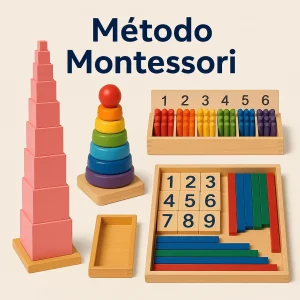
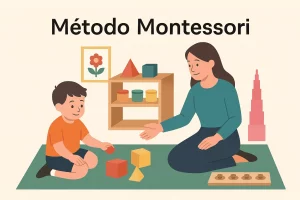
The Montessori method, developed by María Montessori, is an educational approach that emphasizes child-led learning and respects the natural development of children. The method encourages independence, critical thinking, and a lifelong love of learning. Rather than being merely passive recipients of information, children in a Montessori environment actively engage with their surroundings, choosing activities that interest them.
Fundamental Principles of the Montessori Method
At the core of the Montessori method are several fundamental principles:
- Child-Centered Learning: Instruction is tailored to suit the needs and interests of individual children.
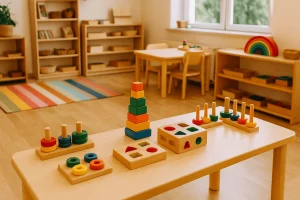
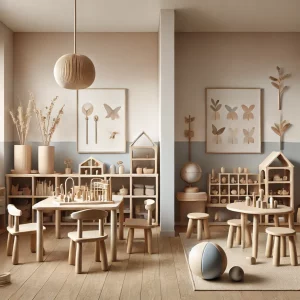
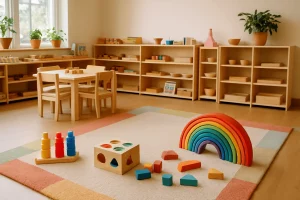
- Prepared Environment: The learning space is designed to be accessible and stimulating, promoting exploration and discovery.
- Mixed-Age Classrooms: Children of different ages learn together, allowing for mentorship and social development.
- Freedom within Limits: Children are free to choose their activities, but within a structured environment that fosters respect and cooperation.
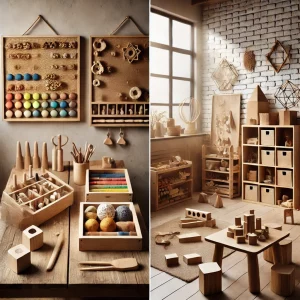
- Hands-On Learning: Active engagement with materials is encouraged, allowing children to learn through experience.
Real-Life Scenarios in Montessori Settings
To understand how these principles work in practice, let’s explore two real-life scenarios: one at home and another in a school setting.
Morning Routine Using Montessori Autonomy
Imagine a family that incorporates the Montessori method into their morning routine. Instead of rushing to get the kids ready for school, parents create a prepared environment that allows children to manage their morning tasks independently. The night before, they lay out clothes, set up breakfast options, and ensure that personal hygiene supplies are within easy reach.
As the children wake up, they have the freedom to choose their outfits and prepare their own breakfast. With a few healthy options set out, a five-year-old can pour his own cereal, while an eight-year-old can make a simple sandwich. This routine not only develops their self-sufficiency but also fosters decision-making skills. When the children need help, parents are available to guide rather than control. Through small activities like these, parents reinforce the essence of the Montessori method: promoting autonomy and confidence in children.
Mixed-Age Classroom Scenario
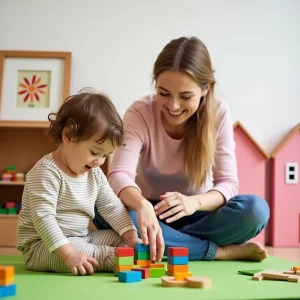
Now, let’s consider a Montessori classroom. In a mixed-age setting, you may find children aged 3 to 6 working together. A three-year-old might be focused on a puzzle, while a six-year-old assists them by showing how to fit the pieces together. This interaction encourages peer learning, allowing younger students to learn from older ones and vice versa. The teacher in this setting acts as a guide, observing and stepping in only when necessary to facilitate the learning process.
This mixed-age dynamic not only helps in academic learning but also nurtures social skills and emotional intelligence. Children learn empathy, cooperation, and leadership in a way that is often not present in traditional classrooms.
Benefits of the Montessori Method
The Montessori method is beneficial for various reasons:
- Promotes Independence: Children learn to take responsibility for their own learning and actions.
- Encourages Curiosity: Learners are motivated to explore their interests and ask questions.
- Fosters a Love of Learning: When children learn at their own pace, they develop a positive relationship with education.
- Enhances Social Skills: Working in a mixed-age environment helps children learn from one another.
- Promotes Concentration: The hands-on approach allows children to engage deeply with tasks without distractions.
Resources for Parents and Educators
If you’re a parent or educator looking to immerse yourself in the Montessori method, our complete guide to Montessori pedagogy provides comprehensive insights.
Additionally, our Montessori Maria website and its AI assistant MarÍA offer personalized support. The assistant can help answer any questions you might have and guide you toward the best resources.
Further Reading
For those who want to dig deeper, we have several articles available:
- Understanding Montessori: A Comprehensive Guide for Parents
- A Comprehensive Guide to Montessori Education for Parents and Educators
- Understanding the Montessori Method: A Guide for Parents and Educators
Conclusion
In conclusion, the Montessori method provides a unique and effective learning framework that prioritizes the child’s individual needs and fosters an environment of exploration and independence. As more parents and educators search for Montessori resources, the understanding of María Montessori’s principles continues to grow. By utilizing these strategies both at home and in educational settings, we can cultivate a generation of self-motivated and enthusiastic learners.