Introduction
In today’s educational landscape, searches like “Montessori near me” and “Montessori school near me” are increasingly common. These searches highlight a growing recognition of the Montessori method as an effective approach to education and development. As parents and educators seek out resources, our website offers a Montessori locator, allowing you to find resources and schools worldwide. You can start your journey by exploring Montessori options available in your area through our Montessori locator, or check out specific cities, like Oberursel, Germany.
Fundamental Principles of the Montessori Method
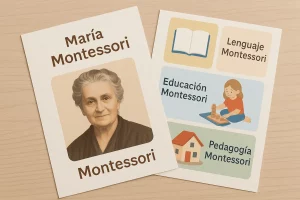
The Montessori method, developed by María Montessori, is grounded in child-centered learning. This approach emphasizes independence, respect for a child’s natural psychological, physical, and social development, and a prepared environment that fosters exploration and discovery. The following principles form the bedrock of the Montessori philosophy:
- Child-Led Learning: Children are encouraged to choose their activities, promoting autonomy and self-direction.
- Mixed-Age Classrooms: Children of different ages learn together, fostering mentorship, community, and collaborative learning.
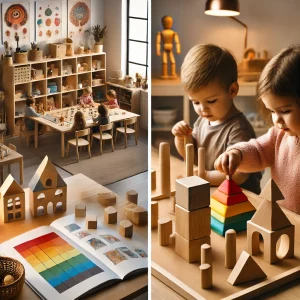
- Hands-On Learning: Learning materials are designed to be tactile and interactive, aiding sensory development and practical skills.
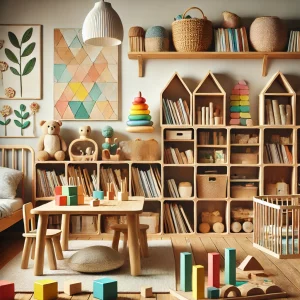
- Prepared Environment: Classrooms are carefully organized to provide access to diverse materials and experiences, promoting independent exploration.
Real-Life Applications of the Montessori Method
To better understand the Montessori method, let’s explore two real-life examples of how it can be applied: an at-home morning routine and a classroom scenario.
1. Morning Routine at Home Using Montessori Autonomy
Imagine a typical morning in a Montessori household. A child awakens and is greeted by a thoughtfully designed bedroom, featuring self-care materials within easy reach. Instead of relying on parents, the child selects their clothes from a low-hanging rod and can even dress independently. They might pour their own breakfast cereal or prepare a simple snack from a designated area in the kitchen. This process not only helps the child develop practical life skills but also instills a sense of accomplishment and responsibility. Parents can facilitate this autonomy by ensuring the environment is conducive to independence, encouraging the child to explore and learn through their own choices.
2. Mixed-Age Classroom Scenario in a School
In a Montessori classroom, you will often find a range of ages together. For instance, a classroom could include children aged 3 to 6 years old. During a math lesson, older children might mentor younger peers, fostering a sense of community and collaboration. An older child may assist a younger one with using Montessori beads to understand basic counting. This peer-to-peer education not only strengthens social bonds but also reinforces learning for the older child, who teaches concepts they’ve already mastered. The prepared environment ensures that children are engaging with appropriate materials that cater to their developmental stages, allowing each child to progress at their own pace.
Montessori Resources for Parents and Educators
Understanding the Montessori method fully requires access to reliable resources. Our complete guide on Montessori pedagogy provides insights into this transformative approach to education and learning. Additionally, regular updates on our website can help parents and educators stay informed about the latest developments and practices. For instance, check out articles like Discovering the World of Maria Montessori: A Guide for Parents and Educators and Understanding the Montessori Method: A Comprehensive Guide for Parents and Educators.
Integration of Technology
While Montessori emphasizes hands-on learning, integrating technology can also support the method. Our Montessori Maria website and its AI assistant MarÍA can provide personalized support and resources tailored to your child’s interests and developmental needs. This innovative tool ensures that families and educators have access to Montessori practices that align with contemporary challenges.
Conclusion
As parents and educators explore the world of the Montessori method, the importance of supporting independence and fostering intrinsic motivation cannot be underestimated. From practical life skills at home to collaborative learning in mixed-age classrooms, the principles of Montessori encourage the growth of well-rounded, confident children. By utilizing the valuable resources available through our website, including links like Montessori near me, you can find the tools necessary to implement these principles effectively.
For a deeper dive into María Montessori’s legacy and its impact on education, be sure to explore everything you need to know about Maria Montessori. Embrace the journey of understanding the Montessori method and its profound benefits for children’s education! Stay informed and empowered with resources like our articles on Understanding Montessori Pedagogy and Understanding Maria Montessori.