Introduction to the Montessori Method
As parents and educators search for the best educational approaches for their children, terms like “Montessori near me” and “Montessori school near me” have become increasingly common. These searches reflect a growing global need for accessible Montessori resources that can nurture children’s innate curiosity and foster independent learning. For those looking to explore the Montessori philosophy more deeply, our website offers a Montessori locator to help families find nearby schools, like those in Oberursel, Germany at this link.
What is the Montessori Method?
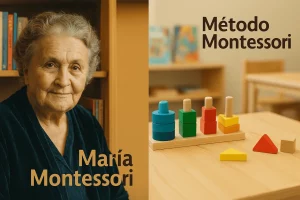
The Montessori method, developed by Maria Montessori in the early 1900s, is an educational approach grounded in the belief that children learn best in a prepared environment that encourages exploration and autonomy. The philosophy emphasizes respect for a child’s natural development, individualized learning experiences, and a strong connection between teachers and students.
Fundamental Principles of the Montessori Method
At the heart of the Montessori method are several key principles:
- Child-Centered Learning: Education is tailored to the child’s interests and developmental stage.
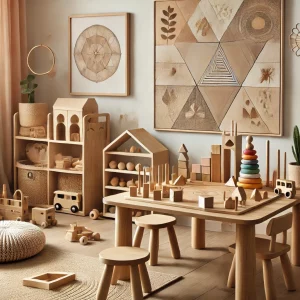
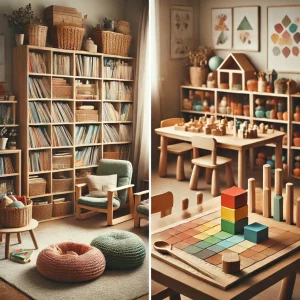
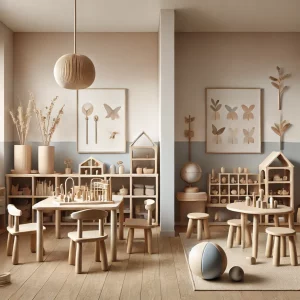
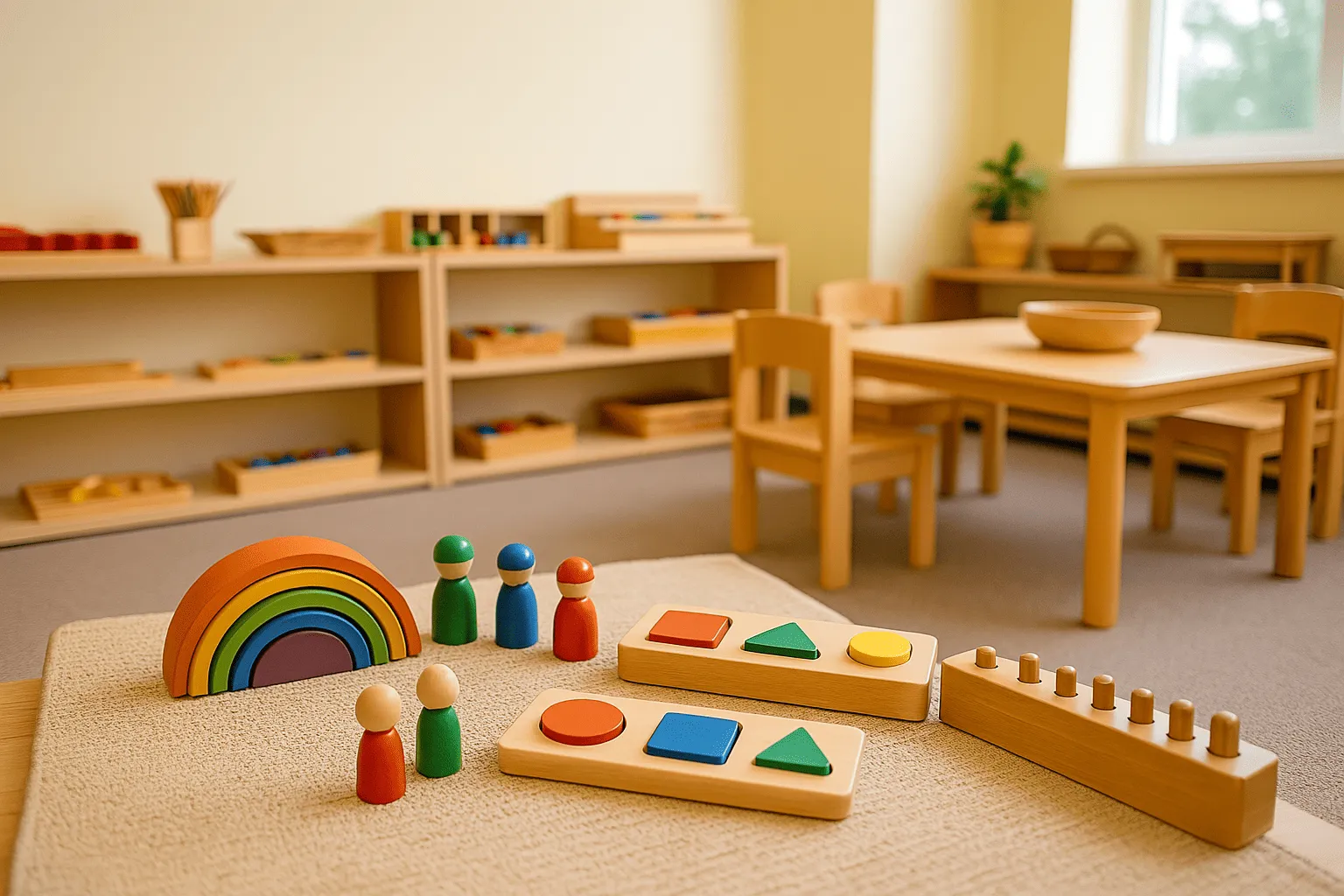
- Prepared Environment: The learning space is designed to facilitate independence, engagement, and exploration.
- Mixed-Age Classrooms: Older children mentor younger ones, fostering collaboration and social skills.
- Hands-On Learning: Children learn through direct experience and sensory exploration, using specially designed materials that promote self-correction and critical thinking.
Real-Life Applications of the Montessori Method
Understanding how the Montessori method translates into real-world settings can help parents and educators grasp its power. Here are two illustrative scenarios.
A Montessori Morning Routine at Home
Imagine a child named Sofia, age four, who begins her day in a Montessori-inspired home. Rather than relying on her parents for every step, Sofia wakes up to a prepared environment that features her own set of routines. Her clothes are laid out within easy reach, allowing her to dress independently. In the kitchen, she finds her own breakfast options, as a small shelf with healthy snacks and a step stool by the counter enables her to help prepare her meal. Todo lo que necesitas saber sobre el método Montessori explains how such setups enable children to make choices, thus fostering independence and responsibility.
A Mixed-Age Classroom Scenario
At a Montessori school, classrooms often include children from various age groups, such as ages three to six. In this setting, Axel, a five-year-old, is working on a practical life activity involving pouring water from one container to another. Nearby, Emma, age three, observes and is drawn to the activity. With the encouragement of their teacher, Axel demonstrates the pouring technique, while Emma eagerly mimics him. This collaborative learning exemplifies the mixed-age classroom dynamic in Montessori education, where older students reinforce their understanding while younger peers gain confidence through observation and practice. This technique not only promotes learning but also builds social skills and emotional intelligence.
The Importance of Autonomy in Montessori Education
One of the standout features of the Montessori method is its emphasis on child autonomy. Autonomy nurtures independence and confidence, essential qualities for lifelong learning. The role of the teacher, known as the ‘guide,’ shifts from traditional lecturing to creating an environment that empowers children to pursue their interests freely. In pedagogía Montessori, the focus is on helping children develop decision-making skills that will serve them throughout their lives.
Empowering Educators
Educators play a crucial role in the Montessori method. By observing their students and understanding their interests, teachers can tailor lessons and activities to suit individual learning needs. For instance, if a child shows a keen interest in animals, an educator might provide materials on different species and create projects around animal care. This custom-fit approach helps in establishing rapport between teachers and students, creating a supportive environment where learning becomes personal.
Exploring Montessori Resources Online
For parents and educators eager to learn more about the Montessori method, there are ample resources available online. Websites like our Montessori Maria website and its AI assistant MarÍA offer articles and support for those seeking to understand the intricacies of this educational philosophy and the best practices surrounding it. Beyond just finding local resources, utilizing these educational tools can enhance your child’s learning experience.
Implementing Montessori Principles in Everyday Life
Whether at home or in the classroom, implementing Montessori principles can significantly impact children’s development. Simple practices, such as allowing children to participate in household chores or providing them with choices in what activities to engage in, can nurture their ability to think independently.
The Role of the Community
Many parents find increased benefits from a connected community. By seeking out like-minded individuals who share an interest in the Montessori method, collaborative learning can flourish. Sharing techniques, resources, and experiences enhances the educational journey.
Final Thoughts on the Montessori Method
The Montessori method offers a transformative approach to education that fosters independence, critical thinking, and a love of learning. Whether you’re looking to enroll your child in a Montessori school or want to incorporate its principles at home, understanding the method’s basics can empower you to create a nurturing environment. Remember, whether you search for “Montessori near me” or simply want to gather more information, resources abound to support your journey.
For more insights, explore our latest articles about the Montessori method and its applications: Understanding Montessori Pedagogy, The Transformative Power of Montessori Education, and our complete guide at Understanding the Montessori Method. Each article provides valuable insights to deepen your understanding and enhance your educational strategies.