The Growing Interest in the Montessori Method
In recent years, the demand for Montessori education has seen a considerable rise, reflected in common searches like “Montessori near me” and “Montessori school near me.” Parents and educators are recognizing the unique benefits of this educational approach, paving the way for a global need for accessible Montessori resources. If you’re interested in finding Montessori options nearby, our website offers a useful Montessori locator that can help you discover schools, resources, and communities worldwide, including specific examples like in Oberursel, Germany.
Core Principles of the Montessori Method
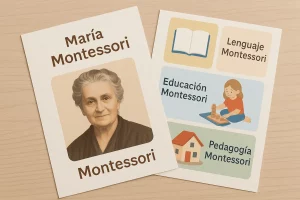
At its core, the Montessori method is built upon several fundamental principles designed to foster independence, confidence, and a love for learning in children. Developed by María Montessori, this educational approach emphasizes child-led learning, hands-on activities, and a prepared environment that caters to children’s developmental needs.
Child-Led Learning
One of the pivotal aspects of the Montessori method is the emphasis on child-led learning. Children are encouraged to choose their activities based on their interests, promoting intrinsic motivation. This can be seen in a typical morning routine at home. For instance, imagine a five-year-old named Emma who wakes up and chooses between dressing herself or helping set the breakfast table. In a Montessori environment, she would select the task that appeals to her the most without pressure from adults, fostering her independence.
The Prepared Environment
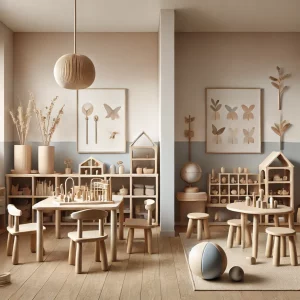
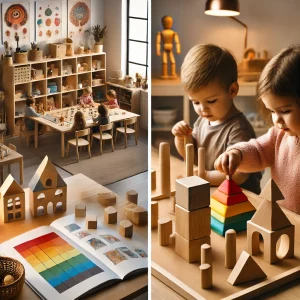
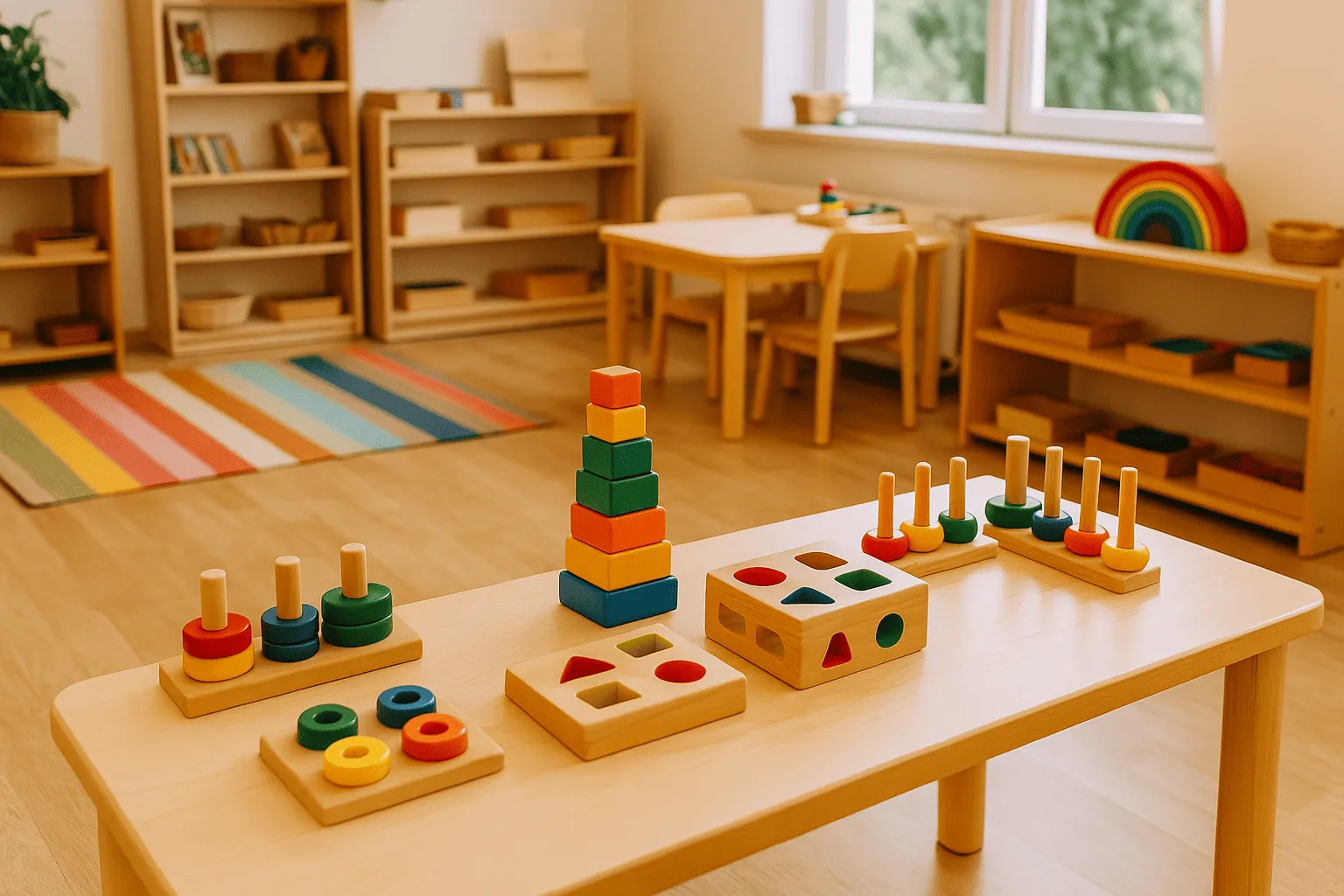
The prepared environment is another cornerstone of the Montessori approach. In a Montessori classroom, mixed-age groups are common, allowing older children to mentor younger ones. For example, during art time, a six-year-old might guide a three-year-old in using scissors, creating an opportunity for both to develop social skills, confidence, and responsibility. Such interactions are vital in promoting a collaborative learning atmosphere.
Implementing Montessori Principles at Home
Integrating the Montessori method into your home life can be incredibly beneficial for your children’s development. One of the best ways to do this is through everyday routines by fostering autonomy and responsibility. Create a space in your home where your children can independently select and utilize materials for their learning—this could range from a reading nook filled with books to a corner equipped with art supplies.
Real-Life Application: Morning Routine
Let’s revisit Emma’s morning routine. By setting up accessible clothing within reach, she can choose her outfit for the day. With a small mirror, she can practice brushing her hair. For breakfast, positioning a step stool at the countertop allows her to participate actively in making her meal, enhancing both her skills and her sense of agency. Such practices not only promote independence but also establish a routine that provides a sense of stability and control.
The Role of Teachers in Montessori Education
In a Montessori classroom, teachers, often referred to as “guides,” facilitate learning rather than direct it. They observe each child’s interests and developmental pace, providing appropriate materials and support. Rather than lecturing, they encourage exploration and inquiry, fostering critical thinking and problem-solving skills in students.
Real-Life Application: Mixed-Age Classroom
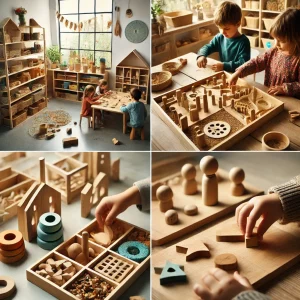
To illustrate, let’s consider a mixed-age classroom where children ages three to six learn together. Here, an older child named Lucas notices a younger child, Mia, struggling with building a tower. Recognizing an opportunity to help, Lucas approaches Mia, explaining how to balance the blocks. The guide may observe this interaction, choosing to allow it to unfold rather than intervening immediately. This scenario exemplifies peer-to-peer learning, which is an essential component of the Montessori experience.
Montessori Resources for Parents and Educators
For parents and educators looking to dive deeper into the Montessori method, our website offers a plethora of resources. From detailed articles discussing pedagogía Montessori to practical guides on implementations, you’ll find everything you need to understand this transformative educational style.
Expanding Knowledge and Understanding
Accessing information can help you grasp the nuances of the Montessori method. With comprehensive guides available for parents and educators, you can explore various aspects of Montessori philosophy and practice. For a deeper understanding, be sure to check out a comprehensive guide for parents that covers essential topics.
The Future of Montessori Education
As the global interest in the Montessori method continues to grow, it’s essential to remain informed and connected. With so many resources available, including our helpful Montessori locator and the AI assistant, MarÍA, on our Montessori Maria website, parents and educators can find the support needed to adopt and adapt Montessori principles effectively.
Conclusion
In conclusion, the Montessori method offers parents and educators an innovative approach to fostering a child’s natural love for learning. By focusing on independence, community, and individual growth, the Montessori approach changes how we view education. Remember, whether you’re seeking a Montessori school nearby or simply want to learn more about this inspiring method, resources are just a click away. Dive deeper into the methodologies and philosophies with our array of articles and guides, ensuring that you provide the best learning opportunities for the children in your care.