Introduction
In contemporary educational landscapes, parents and educators often find themselves searching for effective methods to foster independent and curious learners. Common queries like “Montessori near me” and “Montessori school near me” indicate a growing global need for accessible Montessori resources. Recognizing this demand, our website offers a Montessori locator, complete with international examples that can help families and educators connect with Montessori programs in their area, such as the Montessori establishments in Oberursel, Germany, accessible through this link.
What is the Montessori Method?
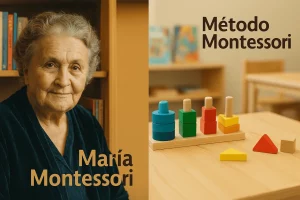
The Montessori method, developed by Dr. María Montessori in the early 20th century, is an educational approach grounded in respect for children’s natural development and a commitment to creating supportive learning environments. The core principles of the Montessori method include child-centered learning, mixed-age classrooms, and hands-on activities that encourage exploration and autonomy.
Fundamental Principles of the Montessori Method
The Montessori method is defined by several key principles that guide its implementation:
- Child-Centered Learning: Educators serve as guides, facilitating rather than directing learning.
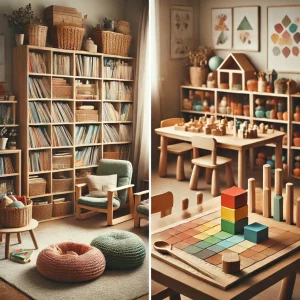
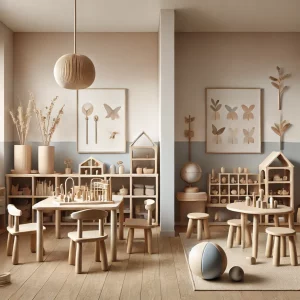
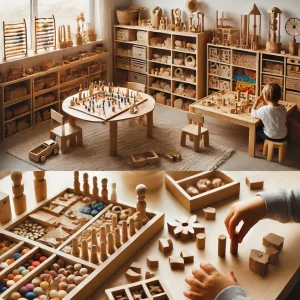
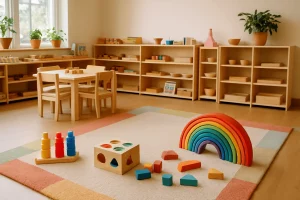
- Prepared Environment: The classroom is designed to support independent exploration with appropriate materials and resources.
- Respect for Development: The method acknowledges that children learn at their own pace and promotes self-directed learning.
- Mixed-Age Classrooms: This setup fosters peer learning, collaboration, and leadership among students.
Real-Life Applications
To better understand the applicability of the Montessori method, let’s explore two real-life scenarios that illustrate its principles.
A Morning Routine at Home
Consider a family morning routine designed around the concept of Montessori autonomy. In this scenario, a young child is encouraged to wake up independently, select their own clothing, and prepare their breakfast. The parent has organized a low kitchen shelf full of age-appropriate breakfast options, allowing the child to choose from fruits, yogurt, and cereals. The child uses a child-sized stool to reach the counter, reinforcing their sense of capability. This morning routine exemplifies respect for a child’s independence and highlights the importance of a prepared environment at home.
A Mixed-Age Classroom
Now, let’s visualize a mixed-age classroom scenario in a Montessori school. Here, children aged 3 to 6 work together on various activities. A five-year-old is helping a three-year-old with a simple puzzle, reinforcing their own learning and developing empathy. Meanwhile, other children are engaged in practical life skills, such as pouring water and cleaning up. This collaborative atmosphere nurtures social skills and allows students to learn from one another, aligning perfectly with Montessori principles. If you’d like to read more about John and Jenny’s journey in a Montessori classroom, check out our article on Understanding Montessori Education.
Why Choose the Montessori Method?
The appeal of the Montessori method lies in its holistic approach to education. Children are provided with opportunities to explore their interests at their own pace, which can lead to a lifelong love of learning. Additionally, the method teaches valuable life skills, including problem-solving, collaboration, and self-regulation. As you delve deeper into this educational philosophy, you’ll find that it emphasizes independence and resilience, traits that are increasingly important in today’s world.
Montessori in World Context
As global interest in innovative education methods grows, Montessori programs are established worldwide. Different countries adapt the principles to suit their cultural needs, enhancing the method’s versatility. For a comprehensive understanding of how these adaptations occur, check out Understanding Montessori Pedagogy on our platform.
The Role of Parents and Educators
The success of the Montessori method thrives on collaboration between parents, educators, and learners. Parents are encouraged to embrace Montessori principles at home by providing an environment that promotes autonomy in daily activities, such as meal preparation and self-care. Educators, meanwhile, must remain observant and responsive to the individual needs of each child, supporting their interests while facilitating a diverse range of learning opportunities.
Utilizing Montessori Resources
If you’re intrigued by the Montessori method and would like to learn further, our todo lo que necesitas saber sobre el método Montessori resource is an excellent starting point. Additionally, tools like the Montessori locator on our website can help you find programs in your area, making it easily accessible for families and educators.
Introducing MarÍA: Your Montessori AI Assistant
For those in need of personalized assistance, our Montessori Maria website and its AI assistant MarÍA is here to help. MarÍA provides tailored guidance, answers your specific questions, and supports your journey in understanding and implementing the Montessori method. Whether you are a parent seeking resources or an educator looking for innovative teaching strategies, MarÍA can enhance your learning experience.
Conclusion
The Montessori method offers a transformative approach to education, fostering independence, curiosity, and a love of learning. As more families search for resources by using queries like “Montessori near me”, it becomes clear that this educational philosophy is here to stay. By understanding its fundamental principles and integrating them into daily living and learning, we can cultivate an engaging and enriching environment for our children. For more articles and insights into the Montessori world, explore our latest resources at Montessori Maria.