Introduction
In today’s fast-paced world, parents and educators are increasingly searching for effective educational approaches that cultivate a child’s natural love for learning. Common inquiries such as “Montessori near me” and “Montessori school near me” underscore the global interest in accessible Montessori resources. To support your journey, our website offers a handy Montessori locator that helps you find schools and resources in your area. For those in specific locations, such as Oberursel, Germany, we provide detailed examples of available Montessori options.
What is the Montessori Method?
Developed by Dr. María Montessori, the Montessori method is an educational approach that emphasizes child-led learning and promotes the development of independence through hands-on activities. It’s centered around the belief that children learn best when they are free to explore and engage with their environment. Available resources help educators and parents understand its principles deeply.
Fundamental Principles of the Montessori Method
The Montessori method is built on several key principles:
- Respect for the Child: Children are viewed as competent and capable individuals, and their choices and interests are respected.
- Mixed-Age Classrooms: These classrooms foster collaboration and peer learning, allowing younger children to learn from older peers and vice versa.
- Hands-On Learning: Children engage in tactile and sensory experiences that enhance their understanding and mastery of concepts.
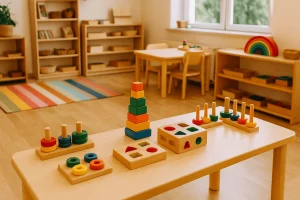
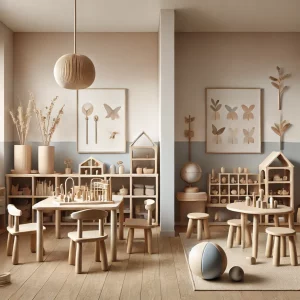
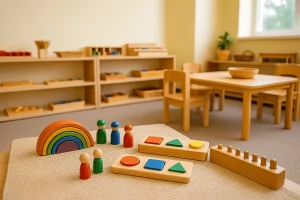
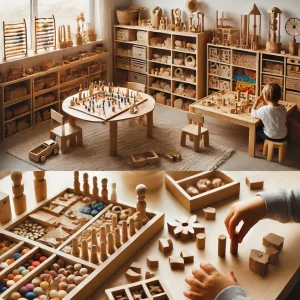
- Prepared Environment: Classrooms are carefully designed to support independent exploration, featuring appropriate materials and resources accessible to children.
- Teacher as Guide: Instead of traditional instruction, teachers facilitate learning by observing and guiding students based on their individual needs.
Real-Life Applications of the Montessori Method
Morning Routine at Home
Implementing the Montessori method into daily family life can be simple yet transformative. For instance, consider a morning routine. A child can take charge of their own personal grooming—dressing themselves, brushing their teeth, and preparing their breakfast. By laying out their clothes and meal choices, children practice autonomy and responsibility. This not only builds confidence but also instills a sense of routine that is vital for developing independence.
Mixed-Age Classrooms
In a Montessori school, mixed-age classrooms are a hallmark of the method. Imagine a classroom where 4 to 6-year-olds work together on a project. Older children guide younger ones in a math activity, while a teacher observes from a distance, stepping in only when needed. This interaction cultivates leadership in older children and provides younger ones with role models, while all students engage in collaborative learning experiences. Such environments are tailored for growth and exploration.
Benefits of the Montessori Method
The Montessori method offers numerous benefits that can positively impact a child’s educational journey:
- Encourages Independence: Children learn to depend on themselves, making decisions and solving problems.
- Fosters a Love for Learning: The freedom of choice in their learning experience encourages children to engage deeply with subjects that interest them.
- Enhances Social Skills: Interacting with peers in mixed-age groups enables kids to learn valuable social skills, such as cooperation and empathy.
- Promotes Critical Thinking: The experiential learning approach encourages children to think critically and ask questions, nurturing their natural curiosity.
Understanding Montessori Pedagogy
To gain a deeper insight into the educational philosophies underpinning the Montessori approach, refer to pedagogía Montessori. This resource can help parents and educators grasp the transformative potential of Montessori principles within various learning environments.
Challenges in Implementing the Montessori Method
While the Montessori method has been successful in many settings, it can come with challenges, especially for those new to this approach:
- Misunderstanding of the Role of the Teacher: Transitioning from traditional to Montessori requires educators to embrace a new role of guidance rather than authority.
- Resource Availability: Not every school or environment has the resources available to implement Montessori effectively.
- Parent Understanding: Educating parents about the Montessori method can ensure they support their child’s learning positively.
Support and Resources for Parents and Educators
To navigate these challenges and build a strong Montessori foundation, many resources are available. For instance, our guide for parents offers practical tips on how to create a Montessori-inspired environment at home.
Leveraging Technology in Montessori Education
In today’s digital age, technology can also play a role in Montessori education. Tools like websites and apps focused on Montessori principles can provide additional resources and support. For example, our Montessori Maria website and its AI assistant MarÍA can assist parents and educators in finding materials and activities aligned with Montessori philosophy.
Conclusion
The Montessori method has proven to be a revolutionary approach to education, emphasizing child-led learning and independence. With increasing demand for Montessori resources worldwide, understanding the core principles and benefits of this method can empower parents and educators to create enriching learning experiences. Remember, if you’re searching for schools, our Montessori locator is here to help you find the right resources in your area. For those looking for more information, the article Understanding the Essence of María Montessori is an excellent resource to delve deeper into her educational legacy.
For ongoing updates and insights, explore our latest articles on Montessori education available at Montessori education. Embracing the Montessori method can lead to profound changes in how we educate our children, shaping them into lifelong learners.