Introduction
In today’s world, many parents and educators find themselves searching for educational options that foster independence and creativity in children. Common searches like “Montessori near me” and “Montessori school near me” reflect a growing global interest in accessible Montessori resources. This is where our website can help, offering a Montessori locator that connects families with Montessori schools and resources, including examples from cities worldwide, like this city-specific guide for Oberursel, Germany.
The Fundamental Principles of the Montessori Method
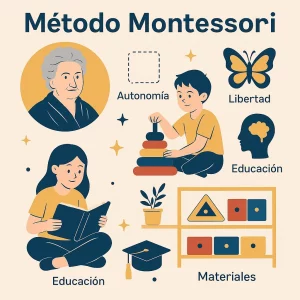
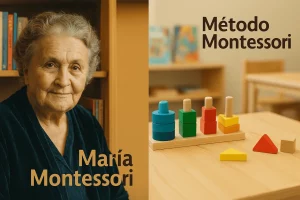
The Montessori method, developed by Dr. María Montessori, is based on the belief that children learn best in environments that foster autonomy, curiosity, and respect for their individual developmental paths. There are several core principles that define this educational philosophy:
1. Child-Centered Learning
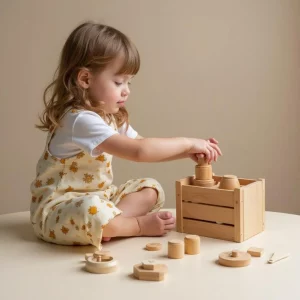
In a Montessori classroom, learning starts with the child. Educators observe and assess each child’s interests and developmental stage, allowing them to choose activities that resonate with them. This method empowers children by giving them control over their learning experience, encouraging intrinsic motivation. Parents can replicate this in everyday life by allowing children to make choices about their morning routines, from selecting their clothes to choosing what breakfast to have.
2. Mixed-Age Classrooms
Montessori classrooms often feature mixed-age groups, typically spanning three years. Younger children benefit from observing and partnering with older peers, while older students reinforce their learning by teaching and mentoring. This creates a community where collaboration thrives, and children develop social skills. Imagine a diverse classroom where a six-year-old helps a four-year-old understand a puzzle, creating bonds and enhancing learning through peer interaction.
Real-Life Situations in Montessori Environments
To better comprehend the Montessori method, it’s helpful to visualize how these principles translate into real-life scenarios. Here are two examples:
Morning Routine at Home Using Montessori Autonomy
Consider a typical morning in a Montessori household. Instead of relying on parents to dictate every aspect of their morning routine, children are encouraged to take responsibility for their choices. A child might wake up at their chosen time, put on their clothes, and prepare their own breakfast, selecting a healthy option independently. The parent supports this autonomy, providing tools like child-sized utensils and a designated space in the fridge for snacks. Such routines nurture self-confidence and decision-making skills.
Mixed-Age Classroom Scenario
In a mixed-age Montessori classroom, a group of children engaged in different activities reflects the diversity of learning experiences. A seven-year-old leads a small group working on a science project, while nearby a four-year-old explores sensory materials. The teacher facilitates but observes primarily, stepping in only when needed to guide or encourage questions. This scenario illustrates how collaboration enhances learning, allowing children to learn from one another and develop social skills.
Well-Rounded Development with the Montessori Method
The Montessori method is designed to support holistic development. Children are encouraged to engage in not just academic activities, but also physical and emotional growth. By focusing on practical life skills, such as cooking and cleaning, children gain confidence and independence that go beyond traditional textbook learning. For those wanting to dive deeper into this impactful approach, todo lo que necesitas saber sobre el método Montessori offers a wealth of resources.
The Role of the Educator in the Montessori Framework
In Montessori education, the role of the educator is that of a guide rather than a traditional instructor. They are tasked with preparing the environment and observing the children to understand their needs and interests. This assessment allows educators to introduce materials and activities tailored to each child’s stage of development, empowering them to learn at their own pace.
Implementation of Montessori Principles in Everyday Life
Parents and educators can incorporate Montessori principles outside the classroom as well. This approach nurtures a child’s desire to learn and engage with their surroundings. Here are some practical ways:
1. Environment Preparation
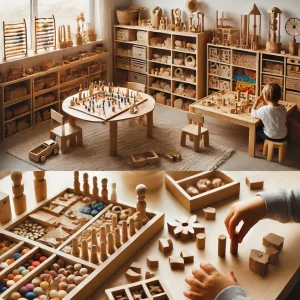
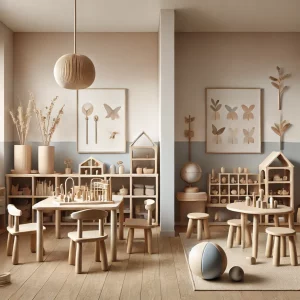
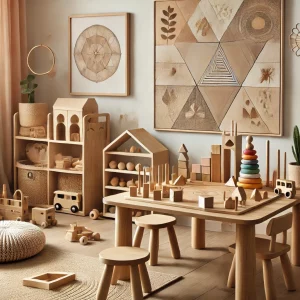
Create a stimulating home environment filled with accessible materials that your child can interact with independently. Use open shelving to display books and toys so that your child can reach them easily, promoting autonomy.
2. Encouragement of Independence
Encourage your child to participate in daily tasks, like dressing themselves or helping with meal prep. This builds confidence and a sense of responsibility.
How Montessori Prepares Children for the Future
One of the significant advantages of the Montessori method is its focus on developing critical life skills. By fostering a love of learning, curiosity, and self-discipline, children are better equipped to adapt to changing environments and face challenges positively. The educational framework not only prepares them academically but also emotionally and socially. For more insight into the transformative nature of this approach, explore this piece on pedagogía Montessori.
Conclusion
Understanding the Montessori method opens up a world of possibilities for parents and educators looking to enrich a child’s educational journey. The focus on independence, mixed-age learning environments, and tailored educational experiences equips children with the tools they need to succeed in all areas of life. As you explore resources, be sure to check out our Montessori locator and engage with our Montessori Maria website and its AI assistant MarÍA for personalized guidance. The Montessori approach is not just a method; it is a philosophy that can transform the way we view education.
For additional reading, consider our latest articles: Understanding María Montessori: A Guide for Parents and Educators, The Montessori Approach: A Parent’s Guide to Nurturing Independence and Learning, Understanding Montessori Pedagogy: A Guide for Parents and Educators, The Comprehensive Guide to Montessori Education for Parents and Educators, and Discovering María Montessori: A Comprehensive Guide for Parents and Educators.
‘