The Growing Interest in Montessori Education
In recent years, the search queries such as “Montessori near me” and “Montessori school near me” have become increasingly common among parents and educators around the world. These searches reflect a significant demand for accessible Montessori resources, demonstrating a growing interest in alternative educational approaches. Understanding the method can empower parents and educators to provide their children with the tools they need to thrive. For those eager to find local resources, our Montessori locator can assist you in discovering schools and resources in your area, ensuring that families everywhere can explore the beneficial practices that the Montessori method offers.
Exploring the Montessori Method
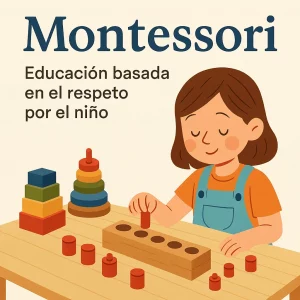
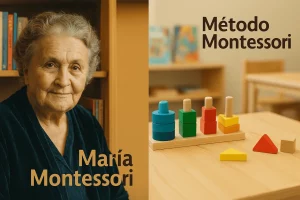
The Montessori method, developed over a century ago by María Montessori, is a child-centered educational approach that emphasizes independence, freedom within limits, and respect for a child’s natural psychological, physical, and social development. At its core, the Montessori method aims to foster a child’s natural desire to learn by creating an environment that supports their interests and curiosity. The method is built upon several foundational principles.
Core Principles of the Montessori Method
1. Child-Centered Learning: Montessori educators observe children to understand their interests and tailor learning experiences accordingly. This promotes intrinsic motivation and a love for learning.
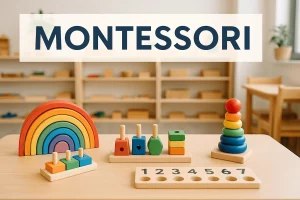
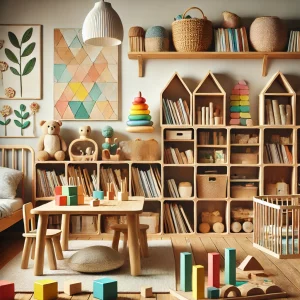
2. Prepared Environment: The learning space is designed to be accessible and inviting, with materials that encourage exploration and discovery. This environment allows children to make choices and engage deeply with their learning activities.
3. Mixed-Age Classrooms: In Montessori settings, children of different ages learn together. This promotes collaboration, peer learning, and social interaction as older children often assist younger ones, reinforcing their own learning.
4. Freedom of Choice: Children are allowed to choose their activities, fostering independence and self-discipline. This sense of agency helps develop decision-making skills that are crucial throughout life.
5. Respect for the Child: The Montessori method emphasizes understanding and respecting the child as an individual. Educators are trained to be facilitators rather than traditional authoritative figures, allowing children to learn at their own pace.
Real-Life Applications of the Montessori Method
To illustrate how these principles come to life, let’s look at two real-life scenarios: a morning routine at home and a mixed-age classroom setting.
Morning Routine at Home Using Montessori Autonomy
Imagine a typical morning in a household that embraces the Montessori method. A young child wakes up and independently gets out of bed, moving to a designated space in their room where they can choose their outfit from a selection of clothes hung at their level. This simple act of choosing empowers the child, allowing them to express their preferences and develop a sense of responsibility.
Next, the child heads to the kitchen. A small step stool enables them to reach the sink, where they can wash their hands before breakfast. The breakfast table features age-appropriate utensils and self-serve options, encouraging the child to help themselves. By fostering independence in this daily routine, parents not only support practical life skills but also build confidence and autonomy in their child.
This real-life scenario mirrors the Montessori philosophy, where the home becomes a nurturing ground for independence and self-reliance. To explore further details about the core tenets of the method, check out todo lo que necesitas saber sobre el método Montessori.
Mixed-Age Classroom Scenario in a Montessori School
In a Montessori school, the mixed-age classroom dynamically embodies the Montessori principles. Picture a classroom with children ranging from ages three to six. Each child engages with materials that fit their developmental level and interests. A five-year-old works on a complex geometry puzzle while a three-year-old is absorbed in sorting colorful objects.
In this environment, collaborative learning flourishes. The older child, upon completing the puzzle, takes the time to show the younger child how to complete a simpler task. This scenario not only reinforces the older child’s learning but also fosters social bonds and communication skills among peers. Additionally, the mixed-age structure allows children to learn from each other, creating a vibrant community of learners.
To better understand the transformative impact of this approach, consider delving into our guide on pedagogía Montessori.
Benefits of the Montessori Method
The benefits of the Montessori method extend far beyond individual learning experiences. Research indicates that children educated in Montessori environments often exhibit greater creativity, problem-solving skills, and social-emotional resilience compared to their peers in traditional settings. These attributes are essential for success in an ever-evolving world.
Moreover, the flexibility of the Montessori approach accommodates various learning styles. Children who thrive in hands-on learning environments can fully engage, while those who prefer a more structured approach can find ways to navigate the prepared environment comfortably.
Finding Montessori Resources Near You
As interest in the Montessori method continues to grow, it’s essential for parents and educators to find reliable resources. Whether you’re looking for a school or simply seeking guidance, there are many tools available. For those searching for nearby options, our Montessori locator is an invaluable resource that can help you find schools, materials, and communities committed to implementing the Montessori approach. For example, you can explore options in cities such as Oberursel, Germany, showcasing our global reach in connecting families with Montessori resources.
Harnessing Technology in Montessori Education
In today’s digital world, technology can also play a pivotal role in supporting Montessori principles. Our Montessori Maria website and its AI assistant MarÍA is designed to provide personalized advice and resources. By leveraging technology, parents and educators can access tailored information on the Montessori method, engage with community resources, and build a supportive learning environment for their children.
Conclusion: Embracing the Montessori Journey
Understanding the Montessori method opens doors to a richer educational experience for both children and adults. By embracing the principles of independence, respect, and collaboration, parents and educators can create environments that foster lifelong learning and growth. The growing interest in queries such as “Montessori near me” signifies a collective acknowledgment of the need for accessible and effective educational resources. Embarking on the Montessori journey can be a transformative experience, and we invite you to explore all that this remarkable educational philosophy has to offer. For additional insights and practical advice, make sure to check out our articles on understanding the Montessori method and understanding Montessori.