Starting Your Journey: Finding Montessori Near You
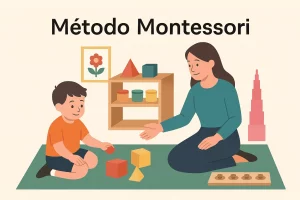
Many families embark on their educational journey by searching for terms like “Montessori near me” or “Montessori school near me.” They are seeking a nurturing, child-centered approach to learning. The Montessori method, developed by María Montessori, emphasizes independence and a prepared environment designed for children’s learning. To help you find Montessori options, our website offers a global Montessori locator at Montessori near me. For more localized options, you can also check out Oberursel, Germany.
The Core Principles of Montessori Pedagogy
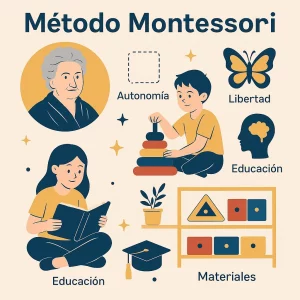
Montessori pedagogy is founded on several key principles, which we will explore in detail. These principles include the prepared environment, autonomy, observation, and sensory learning.
Prepared Environment
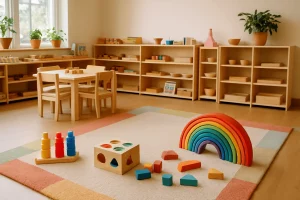
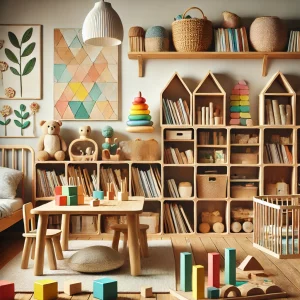
In a Montessori classroom, the prepared environment is designed to facilitate independent learning and exploration. The materials are accessible and arranged in a way that invites children to engage. For instance, consider a traditional classroom that has been adapted to include Montessori principles. Instead of desks facing the teacher, you might see tables arranged in small groups, with various learning stations around the room. Each station has hands-on materials that encourage interactive learning.
Autonomy
Autonomy is a hallmark of the Montessori approach. Children are encouraged to make choices about their learning, allowing them to pursue their interests. For a student teacher planning their first Montessori environment, this principle is crucial. They might plan for designated periods during the day when children are free to select the activities they wish to engage in, fostering a sense of ownership over their learning.
Observation
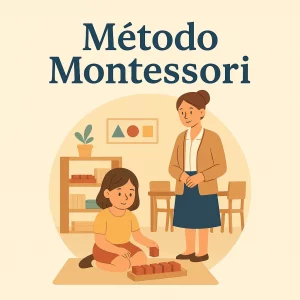
Observation is a vital tool for educators in the Montessori setting. By observing children at work, teachers can gain insights into their interests and developmental stages. For example, an educator might notice that a student spends a significant amount of time working with a specific material. This observation can inform the teacher’s decisions about future lessons and material availability, ensuring that the education provided is tailored to each child’s needs.
Sensory Learning
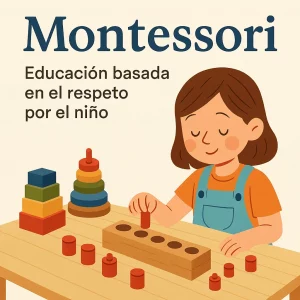
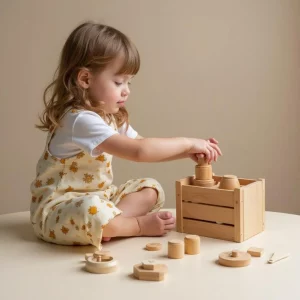
Sensory learning is at the heart of Montessori education, with materials designed to appeal to the senses. Consider a classroom where children can explore sound through musical instruments, touch through textured objects, and sight through colorful materials. These sensory experiences are invaluable for young learners as they help solidify concepts through tangible interactions. Imagine a set of geometric solids that children can manipulate, promoting an understanding of shape and form through hands-on exploration.
Practical Examples in Montessori Settings
To illustrate how these principles play out in real-world settings, let’s take a look at two scenarios: adapting a traditional classroom to a Montessori environment and a student teacher designing their space.
Adapting a Traditional Classroom
In adapting a traditional classroom, the first step is decluttering. This means removing non-essential items and organizing remaining materials. Then, the teacher can create learning centers that promote independence. For example, instead of a teacher-directed art lesson, children can access art materials whenever they want, allowing them to express their creativity freely. The classroom can be divided into areas for reading, science, art, and math, each equipped with appropriate materials based on Montessori principles.
Student Teacher Planning
For a student teacher planning their first Montessori environment, careful consideration and preparation are essential. They might start with a layout that encourages open space for movement and collaboration. The student teacher can curate a selection of materials that invite exploration and challenge students at various levels. They may also plan to incorporate lessons on practical life skills, such as plant care or cooking, fostering responsibility and community within the classroom.
Why Montessori Matters
The power of Montessori education lies not just in its practices, but also in its philosophy. By fostering an environment of independence, educators can empower children to become lifelong learners. Parents and educators alike seek out this pedagogy as it caters to the unique needs of each child, allowing them to flourish in their own way. For a deeper understanding, you can read our comprehensive guide to Montessori education for parents and educators.
Engaging Parents and Educators
It is essential for parents and educators to collaborate in supporting children’s development. Educators can provide insights into the Montessori approach, helping parents understand how they can support their children’s learning at home. Techniques like observing their children’s interests and fostering autonomy can be extremely beneficial. Explore our guide for parents interested in Montessori education for practical strategies.
Resources for Further Learning
If you’re looking for further resources on Montessori pedagogy, the Montessori Maria website has various articles and guides available. You may also find our article on understanding Montessori pedagogy particularly insightful.
Conclusion
Montessori pedagogy offers a transformative approach to education that benefits children, parents, and educators alike. By embracing its principles of a prepared environment, autonomy, observation, and sensory learning, we can foster a love of learning in children. Join us on this inspiring journey towards a more enriching educational experience. Remember to explore our resource on understanding the Montessori method and consult our introduction to Montessori pedagogy for a foundational overview.