Introduction
Many families embark on their educational journey by searching for terms like “Montessori near me” or “Montessori school near me.” This search is often the first step toward discovering an enriching educational approach designed around the needs and development of the child. At the Montessori Maria website, we provide a global Montessori locator, helping families connect with nearby Montessori institutions, including specific examples like Montessori schools in Oberursel, Germany.
Understanding the Foundations of Montessori Pedagogy
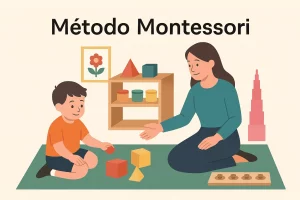
Montessori pedagogy is rooted in several key principles that focus on the holistic development of children. These principles include a prepared environment, autonomy, observation, and sensory learning. Each of these elements plays a critical role in facilitating a child’s personal and academic growth.
The Prepared Environment
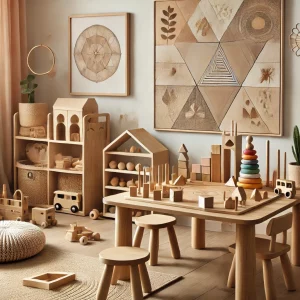
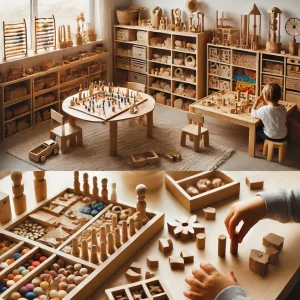
A prepared environment is designed to promote independence and engage children in learning. In a traditional classroom setting, this might involve rearranging furniture to create distinct learning areas, providing accessible materials, and ensuring that the space is inviting. For instance, in adapting a conventional classroom, educators might create learning stations with books, manipulatives, and art supplies, encouraging students to explore freely amidst their peers.
Encouraging Autonomy
Autonomy is a crucial component of Montessori pedagogy. Children learn best when they take control over their learning experiences. For example, a student teacher planning their first Montessori environment might allow children to select their activities and set personal learning goals. Offering choices empowers children and fosters a sense of responsibility, which can enhance their intrinsic motivation.
The Importance of Observation
Observation is another foundational principle, allowing educators to assess each child’s needs and interests effectively. Rather than interrupting a child’s engagement to provide direct instruction, teachers can observe how students interact with materials and collaborate with peers. By doing so, they can tailor guidance and support to promote deeper learning experiences. For instance, if a child shows a sustained interest in plant life, the teacher could introduce botany concepts in a way that builds on that interest, such as through hands-on activities or nature walks.
Sensory Learning
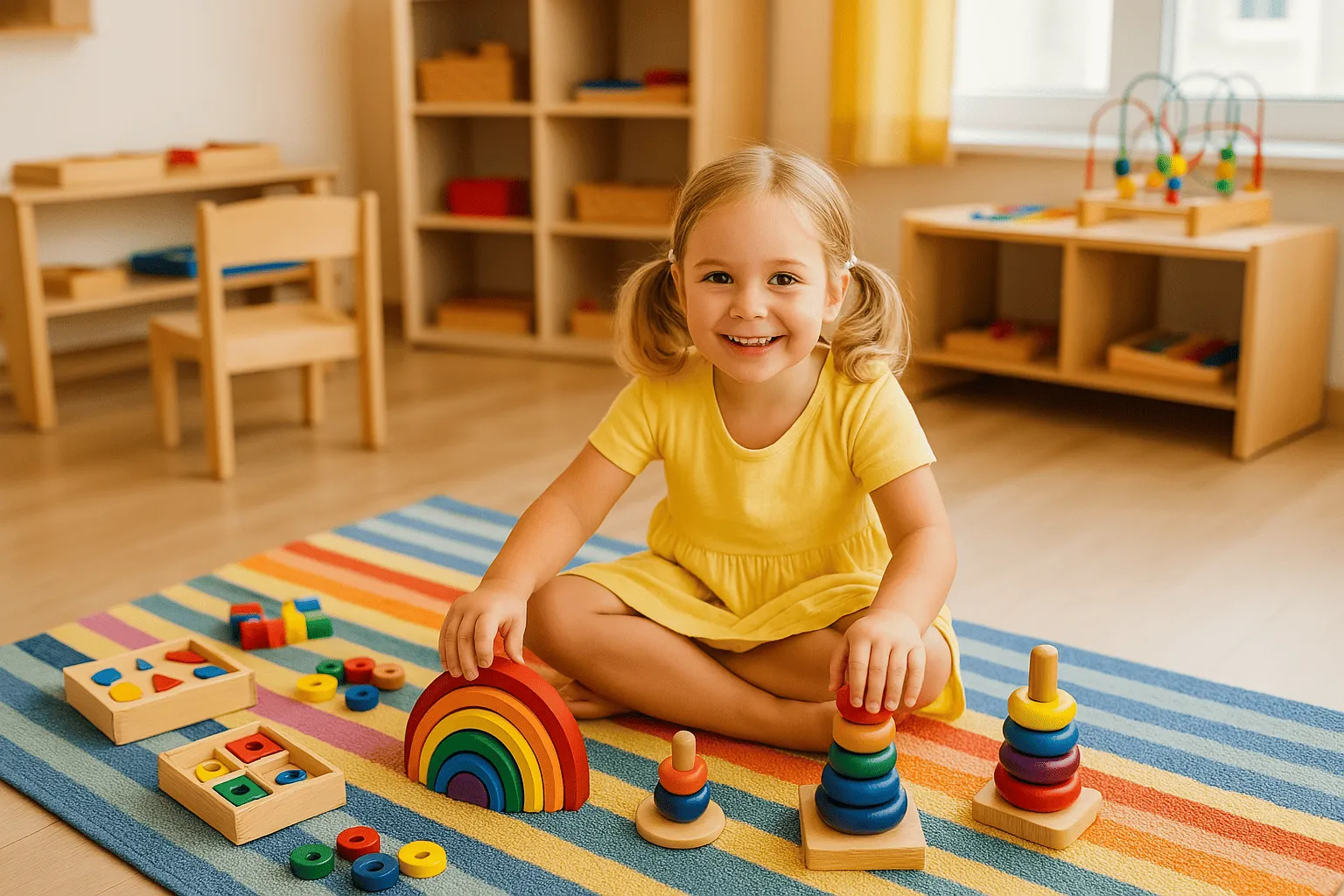
Montessori pedagogy emphasizes sensory learning, recognizing that children learn best through tangible experiences. In a Montessori classroom, materials are purposefully designed to engage the senses. For instance, a teacher can introduce different textures, colors, and weights through hands-on activities. In a traditional classroom setting, educators might adapt lessons by incorporating sensory materials, such as using sandpaper letters for phonics or introducing tactile shapes for geometry. By providing sensory-rich experiences, educators support children’s cognitive and sensory development. For more details on implementing these principles, refer to our complete guide on Montessori pedagogy.
Bringing Montessori Home
Many parents interested in Montessori education seek to apply its principles at home. To encourage autonomy, parents can create a designated space for children where they can select books, toys, and activities based on their interests. Likewise, incorporating routines fosters independence and responsibility. Parents can introduce simple chores and allow children to take charge of their tasks, promoting both confidence and self-regulation.
Tips for Parents
Here are some suggestions for parents to implement Montessori principles in their home:
- Create a prepared environment: Organize the space to facilitate easy access to materials and encourage exploration.
- Encourage choice-making: Allow children to choose their activities to foster a sense of ownership over their learning.
- Model observation: Be attentive to your child’s interests and needs, adapting your approach based on what you notice.
- Incorporate sensory experiences: Use everyday materials to create tactile learning opportunities, such as cooking or gardening.
Montessori for Educators and Teacher-Training Students
For educators and those training to become teachers, understanding Montessori pedagogy is essential. It provides an alternative approach to traditional education that emphasizes child-centered learning. Engaging with Montessori principles can enhance effectiveness in the classroom. Resources like the comprehensive guide for parents and educators can serve as valuable references for best practices in implementing Montessori methods.
Finding Montessori Resources and Training
Many educators seek out professional development opportunities within the Montessori framework. Numerous training programs focus on Montessori methods, emphasizing classroom practices and philosophies articulated by Maria Montessori. These programs typically combine theoretical knowledge with hands-on experiences, vital for understanding the interconnectedness of the prepared environment, autonomy, observation, and sensory learning.
Learning from Others
As teacher-training students immerse themselves in Montessori methods, they should also engage with experienced educators. Observations within existing Montessori environments can offer insights into established practices. This experience will help future teachers apply Montessori principles effectively. Furthermore, sharing experiences and challenges with peers fosters a supportive educational network.
Conclusion
Montessori pedagogy provides a transformative approach to education that prioritizes child development in a supportive, prepared environment. As families, educators, and teacher-training students embrace these principles, they contribute to creating a richer educational journey for children. If you are looking for a Montessori school, be sure to check out Montessori near me for localized options and more resources. By understanding and applying Montessori pedagogy, we equip ourselves to nurture independent, curious, and lifelong learners.
To explore more insights, check our recent articles such as Understanding the Montessori Method, Understanding Maria Montessori, and our various guides for parents. Each of these resources can further assist in your journey toward understanding and implementing Montessori methodologies.