A Journey Begins with “Montessori Near Me”
As more families seek alternative educational environments, many begin their journey by searching for “Montessori near me” or “Montessori school near me.” These searches frequently lead to fruitful discoveries, as Montessori schools are becoming increasingly widespread around the globe. Our website offers a global Montessori locator to help parents find institutions that align with their educational philosophies at Montessori near me. For example, a family in Oberursel, Germany, can navigate directly to Montessori schools near them, helping them connect with like-minded educators and communities.
Exploring the Core Principles of Montessori Pedagogy
At the heart of Montessori education lies a set of guiding principles that foster autonomy, respect, and a lifelong love for learning. Understanding these principles is essential not only for parents and educators but also for teacher-training students who aspire to create a nurturing environment tailored to each child’s unique capabilities.
Prepared Environment
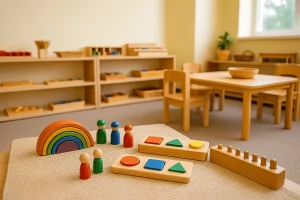
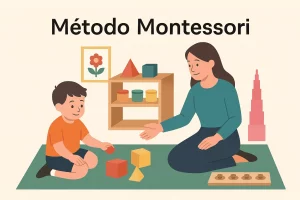
One of the defining features of Montessori pedagogy is the concept of the prepared environment. This involves designing a learning space that is safe, accessible, and rich in resources. For instance, consider a traditional classroom transitioning to a Montessori environment. By rearranging desks to small group workstations, adding materials with various educational purposes, and creating quiet nooks for individual concentration, the classroom transforms into a dynamic learning environment.
Autonomy
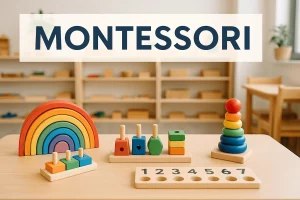
Autonomy allows children to make choices about their learning, fostering independence and personal responsibility. For example, when working with student teachers who are planning their first Montessori environment, they might allow children to choose their activities from a set of inviting options displayed on shelves. This small act empowers children, enhancing their engagement and encouraging them to take charge of their learning.
Observation
Observation is a vital tool in Montessori education, enabling educators to understand each child’s interests and developmental stages. Consider an educator observing a child grappling with a challenging puzzle. Instead of intervening immediately, she takes notes on how the child approaches the task. Over time, this information helps her tailor instruction to the child’s needs, leading to personalized learning paths.
Sensory Learning
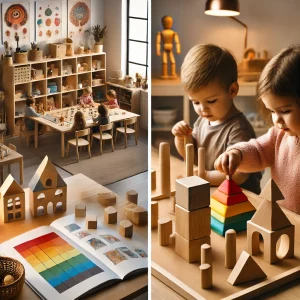
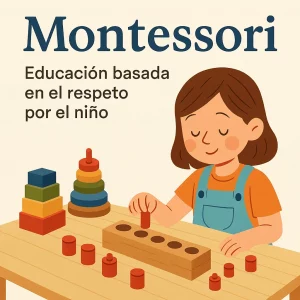
Montessori pedagogy emphasizes sensory learning by providing materials that engage multiple senses. For instance, in a setup that incorporates tactile learning, you might find a variety of textured shapes and color wheels that children can touch, see, and manipulate. Such active engagement promotes deeper understanding and retention of concepts.
The Importance of Understanding Montessori Pedagogy
As parents and educators delve deeper into this approach, resources like our complete guide on Montessori pedagogy are invaluable. This guide provides an overview of how the principles of Montessori can be integrated into daily educational practices.
Implementing Montessori Strategies in Traditional Settings
For educators who are transitioning from traditional to Montessori methods, understanding how to create a multifaceted learning environment can be initially challenging. A practical approach may include starting with a sensory corner outfitted with engaging materials. Instructors can observe children’s interactions with these materials, allowing them to adapt their strategies based on the children’s preferences and developmental needs.
Encouraging Lifelong Learning through Autonomy
As future educators consider their roles, it’s vital to champion autonomy in learning. They can encourage students to set personal goals for read and explore topics that excite them. This approach aligns perfectly with the categorically defined interests of children as discussed in our introduction to Montessori pedagogy.
Montessori and the Role of the Educator
In Montessori classrooms, educators act as guides rather than traditional instructors. They facilitate learning by creating enriching environments that encourage curiosity and exploration. A new teacher in training might observe an experienced educator allowing children to showcase their projects to their peers, which fosters collaboration and communication skills.
The Legacy of María Montessori
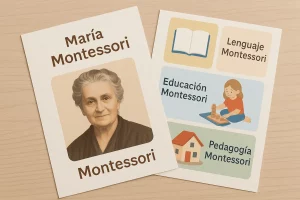
Understanding the legacy of María Montessori is crucial for educators and parents committed to this method. Her dedication to child-centered education has provided a framework for millions worldwide. To learn more about her life and philosophy, visit our page on María Montessori.
Highlighting Resources for Continuous Learning
For educators and parents aiming to deepen their understanding of Montessori practices, accessing a range of resources is essential. Articles such as Understanding Montessori Education: A Comprehensive Guide for Parents and Educators and Understanding the Montessori Method provide in-depth insights into how to implement these strategies effectively.
Engagement and Community
Creating a supportive community is equally vital in the Montessori approach. Parents, educators, and teacher-training students should engage regularly in discussion forums and local meetups. Collaboratively sharing experiences can provide valuable perspectives that can enhance their practice.
Conclusion: The Montessori Journey Awaits
With the principles of Montessori pedagogy guiding the way, the journey toward creating a fulfilling learning environment is not only achievable but also deeply rewarding. The learning journey for both teachers and students is continuous. With resources readily available through the Montessori Maria website, families can explore how Montessori can significantly impact their children’s education. As you embark on this exploration, remember that the strength of the Montessori approach lies in its flexibility to adapt to each child’s unique learning journey.