Embarking on the Montessori Journey
For many families, the journey into alternative education begins with searching online for “Montessori near me” or “Montessori school near me.” This search often leads them to the Montessori Maria website, which offers a comprehensive global Montessori locator, including local examples such as Montessori options in Oberursel, Germany. Understanding Montessori pedagogy is essential for parents, educators, and teacher-training students who wish to embrace this transformative educational approach.
The Principles of Montessori Pedagogy
Montessori pedagogy is rooted in several core principles that guide the educational experience in Montessori environments. These principles include:
- Prepared Environment: A thoughtfully organized space that meets the developmental needs of children.
- Autonomy: Encouraging independence and self-directed learning.
- Observation: Teachers observing students to tailor learning experiences.
- Sensory Learning: Engaging the senses to enhance understanding.
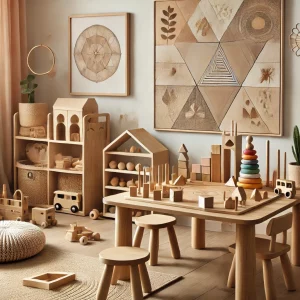
Prepared Environment: Creating an Inviting Space
In a traditional classroom, an example of creating a prepared environment might involve reorganizing furniture to create distinct learning areas. Teachers can set up reading nooks, art corners, and science exploration zones, where materials are readily accessible. This organization allows students to move freely and choose their activities, fostering an environment where each child’s interests are supported. By adopting these principles, educators provide a space conducive to learning and exploration, as highlighted in the guía completa sobre la pedagogía Montessori.
Autonomy: Encouraging Independence
Autonomy is a cornerstone of Montessori pedagogy. For instance, a student teacher planning their first Montessori environment might introduce an “activity board” where children can select tasks based on their interests. This simple implementation encourages children to engage in activities they are curious about and helps them develop decision-making skills. By providing autonomy, we nurture a generation of learners who feel empowered and capable.
Observation: The Teacher’s Role
Observation plays a crucial role in Montessori classrooms. A teacher can spend time observing the children’s interactions rather than directing them. For example, if a child shows interest in plants, the teacher might introduce materials related to botany without forcing the topic. Through careful observation, educators can tailor future lessons and materials to suit the needs and interests of their students. You can learn more about this principle in our introducción a la pedagogía Montessori.
Sensory Learning: Engaging All Senses
Montessori pedagogy emphasizes sensory learning, which can be effectively implemented even in traditional environments. Teachers could introduce hands-on science experiments where students can see, touch, and even smell the materials. For example, while teaching about the properties of different materials, students can use fabric swatches, wooden objects, and rocks to explore texture and weight, actively engaging with their lessons. This method aligns with the principles outlined in Understanding Montessori Pedagogy.
Applying Montessori Principles in Traditional Classrooms
Adapting traditional classrooms to embrace Montessori principles doesn’t require a complete overhaul. Instead, it can be about making small but impactful changes. Incorporate flexible seating arrangements that allow children to work in groups or independently. Develop a variety of learning stations across the classroom that cater to different subjects or interests. By integrating these elements, educators can begin to foster a Montessori atmosphere that supports learners’ individual needs while still working within a traditional framework.
Real-World Applications for Student Teachers
Student teachers planning their first Montessori environment can benefit from hands-on experiences. As they prepare their lessons, they can reflect on how to incorporate observation as a tool for understanding their students better. For instance, during morning circle time, they might choose to engage children in sharing their weekend experiences. Listening and observing their peers as they speak can inform the student teacher about their interests, allowing for a more tailored curriculum going forward.
The Legacy of Maria Montessori
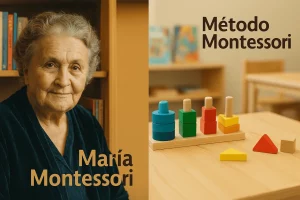
To fully grasp the essence of Montessori pedagogy, it is essential to understand the legacy of María Montessori. As a pioneer of modern education, her principles challenge conventional teaching methods and promote a child-centered approach. By embracing her philosophy, educators and parents can create learning environments that not only respect children’s natural development but also cultivate a love for learning that lasts a lifetime.
Resources for Further Learning
For those looking to deepen their understanding of Montessori education, visit the Comprehensive Guide to Montessori. This resource offers practical insights for parents and educators alike. Additionally, recent articles on the website, such as Understanding the Montessori Method and Exploring Montessori, provide valuable information for anyone interested in this pedagogy.
Conclusion: Embracing Montessori Pedagogy
Embracing Montessori pedagogy can transform the way children learn and interact. By understanding the core principles and applying them in both traditional and Montessori environments, parents, educators, and student teachers can create enriching learning experiences. For further exploration of Montessori options in your area, check out the Montessori locator. The journey does not stop here—continue to learn and engage with the wealth of resources available, ensuring the best educational path for every child.