Introduction to Montessori Pedagogy
In today’s educational landscape, many families begin their journey by searching for terms like “Montessori near me” or “Montessori school near me.” Such searches reflect a growing interest in Montessori pedagogy, an innovative approach to education founded by María Montessori. For families seeking Montessori schools or resources, we offer a global Montessori locator at Montessori near me. Additionally, regional examples can be accessed, such as the Montessori schools in Oberursel, Germany.
The Core Principles of Montessori Pedagogy
Montessori pedagogy is grounded in several core principles that promote an engaging and enriching learning environment for children. Below, we discuss these key principles: the prepared environment, autonomy, observation, and sensory learning, and how they can be applied in practical scenarios.
Prepared Environment
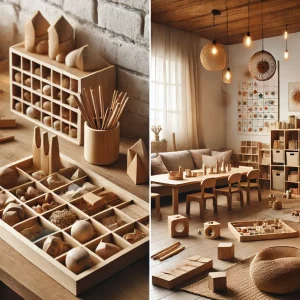
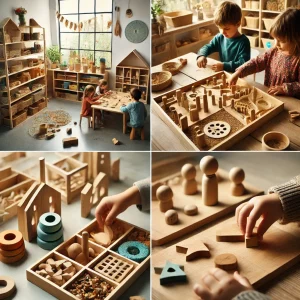
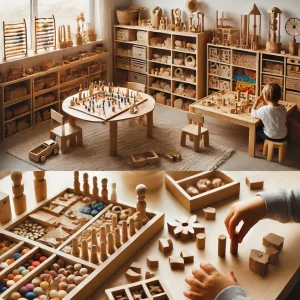
One of the fundamental aspects of Montessori pedagogy is the concept of a “prepared environment.” A well-prepared environment allows children to explore and learn at their own pace. For example, imagine transforming a traditional classroom into a Montessori environment. Desks arranged in clusters can be replaced with low shelves containing various learning materials accessible to students. Instead of rows of chairs facing a teacher, you would have inviting learning zones centered on activities—art, science, language, and practical life skills. This setup encourages independence and self-directed learning.
Autonomy
Autonomy is a core tenet of Montessori philosophy. Children are encouraged to take responsibility for their learning, leading to greater engagement and motivation. For instance, in a Montessori classroom, a student teacher planning their first environment might introduce a “work choice” period where children select activities that interest them most. Instead of receiving direct instruction, they are allowed to explore independently, fostering a sense of ownership over their educational journey. This approach not only supports self-esteem but also nurtures critical thinking skills.
Observation
Observation is another vital principle in Montessori pedagogy. Educators observe children to understand their interests, strengths, and developmental needs without interference. A student teacher could incorporate this principle by spending the initial weeks simply observing the students in a mixed-age classroom setting. They would note which activities captivate each child’s attention, allowing the teacher to tailor future lessons and interactions based on individual needs. This not only informs instructional strategies but also enhances student engagement.
Sensory Learning
Montessori education places a strong emphasis on sensory learning, providing materials that engage multiple senses. In practice, this can translate to altering a traditional classroom activity—like teaching math—by incorporating tactile experiences. Instead of using worksheets, a teacher might introduce counting beads or number tiles, allowing students to touch and manipulate the materials. This hands-on experience leads to deeper understanding and retention of concepts, reinforcing the Montessori belief in learning through doing.
Implementing Montessori Principles in Diverse Settings
Whether you are a parent exploring educational options, an educator seeking innovative teaching methods, or a teacher-training student preparing to enter the workforce, you can integrate Montessori principles in various educational environments. Applying these philosophies in both traditional and Montessori-specific settings can transform how students experience learning.
Adapting a Traditional Classroom
For educators in a traditional school setting, adapting these Montessori principles might seem daunting, but it can be quite achievable with creativity and intentionality. Imagine a scenario where a traditional teacher decides to incorporate a “work period” in their lesson plans. Instead of straight lectures or repetitive exercises, they provide a range of learning stations—each focused on a different subject area. Students can choose where to spend their time and which activity to complete first. By inviting student choice, the teacher nurtures a sense of autonomy and engagement, key to the Montessori approach.
Teacher-Training Students Crafting Montessori Environments
For those enrolled in teacher training programs, planning a Montessori environment is an exciting opportunity to apply theoretical knowledge practically. A teacher-training student might begin by assessing the space they have available. They could select materials intentionally, focusing on those that encourage independence and collaboration. By incorporating multi-sensory materials and ensuring that everything is within the reach of children, they would create an optimal learning atmosphere that aligns with Montessori philosophy.
Continued Learning and Resources
As you delve deeper, gaining a comprehensive understanding of Montessori pedagogy is essential. You can start your journey with our guía completa sobre la pedagogía Montessori, which provides valuable insights and practical applications of Montessori principles. Additionally, you can read our introducción a la pedagogía Montessori for a foundation in core concepts.
Recent Articles on Montessori Education
For further reading, we recommend exploring these recent articles on the Montessori Maria website that delve into various aspects of Montessori education:
- Understanding the Montessori Method: A Comprehensive Guide for Parents and Educators
- Understanding María Montessori: A Guide for Parents and Educators
- Understanding Montessori: A Comprehensive Guide for Parents
- Understanding Montessori Pedagogy: A Guide for Parents, Educators, and Teacher-Training Students
- Montessori Education: A Comprehensive Guide for Parents and Educators
Conclusion
Embracing Montessori pedagogy can transform the learning experience for children. By understanding and applying the principles of the prepared environment, autonomy, observation, and sensory learning, parents, educators, and teacher-training students can create enriching educational experiences that cater to the diverse needs of every child. For more resources and support on your Montessori journey, visit the Montessori Maria website.