Introduction to Montessori Pedagogy
In today’s increasingly diverse educational landscape, many families embark on their quest for quality education by typing “Montessori near me” or “Montessori school near me” into search engines. With the growing interest in Montessori education, it’s essential to understand the foundational principles of Montessori pedagogy. Our Montessori locator offers a global perspective and features local examples, such as our dedicated page for schools in Oberursel, Germany at Montessori in Oberursel, providing the perfect starting point for families.
Key Principles of Montessori Pedagogy
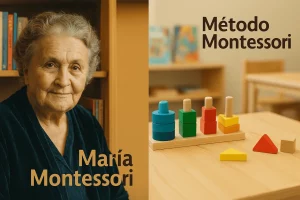
The Montessori method, founded by María Montessori, is grounded in several key principles that distinguish it from traditional educational practices. These principles are:
- Prepared Environment
- Autonomy
- Observation
- Sensory Learning
Prepared Environment
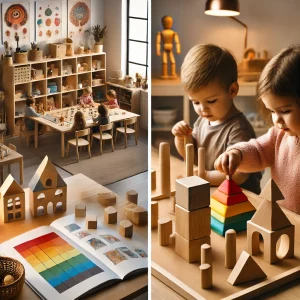
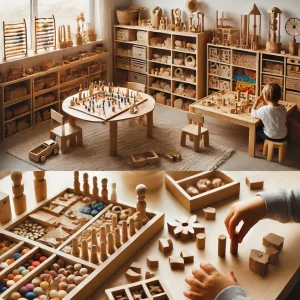
In a Montessori setting, the prepared environment is designed to facilitate independent learning. Imagine transforming a traditional classroom into a Montessori environment. Instead of rows of desks, you could arrange workstations with accessible materials, ensuring students can easily choose their activities. This encourages exploration and fosters a sense of ownership over their learning. Resources such as the comprehensive guide on Montessori pedagogy can help educators understand how to create such environments effectively.
Autonomy
Montessori pedagogy emphasizes the importance of autonomy in children’s learning. For teacher-training students planning their first Montessori environment, consider how to give students choices in their activities. For example, allowing them to select their preferred art project or choose a book to read not only empowers them but also promotes critical thinking and decision-making skills. By fostering autonomy, we help children become confident, independent learners.
Observation
An essential aspect of Montessori pedagogy is observation. Teachers are encouraged to observe children without interrupting their flow of work. For instance, if a teacher is transitioning from a traditional approach, they might begin their day by quietly watching the interactions among students before guiding them to new activities based on their observed interests and needs. Implementing structured observation helps educators adapt to the unique dynamics of their classroom.
Sensory Learning
Finally, sensory learning is pivotal in Montessori education. A practical example is creating sensory bins tailored to different subjects. For instance, a bin filled with sand can be paired with shells for a lesson on marine life, allowing children to explore and learn through tactile experiences. By integrating sensory materials into the curriculum, educators not only align with Montessori principles but also enhance engagement and retention of information.
Practical Applications in the Classroom
Implementing Montessori principles in classroom practices can significantly reshape the learning experience. Here are some practical applications:
Adapting a Traditional Classroom
If you’re transitioning a traditional classroom to a Montessori-style room, start by decluttering and organizing learning materials. Replace conventional desks with tables and seating arrangements that promote collaboration. Consider grouping materials by subject and age appropriateness, as this visual organization can aid children’s autonomy in selecting activities. As you make these changes, remember to continuously observe how students interact with the environment to refine your approach.
Planning a Montessori Environment as a Student Teacher
For student teachers, crafting your first Montessori environment can be both exciting and challenging. Start small; choose one area of focus, whether it’s a reading corner or a math station. Equip that space with appropriate materials, such as Montessori blocks for hands-on math learning or a cozy reading nook with various books. Constantly reflect on how students engage with these materials, adjusting as necessary to ensure the environment remains responsive to their needs.
Why Montessori? The Benefits of Montessori Education
Choosing Montessori education offers numerous advantages, making it a compelling option for parents and educators alike. Benefits include:
- Fostering creativity and critical thinking skills
- Encouraging self-directed learning and independence
- Creating a sense of community and respect among students
- Promoting holistic development—cognitive, social, emotional, and physical
Supporting Parents in the Montessori Journey
As parents venture into Montessori education, it’s crucial to nurture a supportive home environment. Many families seek guidance on how to incorporate Montessori principles at home. Resources like our Montessori parenting guide illuminate how simple changes in daily routines can reinforce the values children learn in school.
Further Learning and Resources
For those eager to delve deeper, there are extensive resources available that explore various aspects of Montessori education. Check out our article on understanding Montessori education, or discover the methodology in our comprehensive guide at understanding the Montessori method.
Conclusion
In conclusion, Montessori pedagogy offers a transformative approach to education that resonates with many modern families. By understanding its principles—prepared environment, autonomy, observation, and sensory learning—you can ensure a rich educational experience for your child. For parents, educators, and teacher-training students, using resources from the Montessori Maria website can guide you in navigating this rewarding journey. Remember, when searching for educational options, merely typing “Montessori near me” can connect you to a world of opportunities.