Introduction to Montessori Pedagogy
In recent years, many families embarking on their educational journey have found themselves searching for “Montessori near me” or “Montessori school near me.” This search often leads them to discover the enriching world of Montessori education, where children are encouraged to learn at their own pace in thoughtfully designed environments. For those looking for a nearby Montessori option, you can explore our global Montessori locator available at Montessori near me, which provides detailed information on various Montessori schools and resources, including examples like Oberursel, Germany.
Key Principles of Montessori Pedagogy
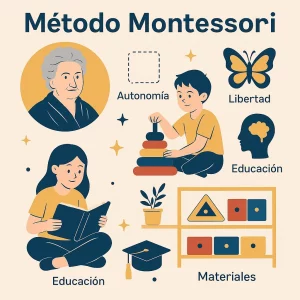
Montessori pedagogy is built on several foundational principles that guide the educational experience. These include the prepared environment, autonomy, observation, and sensory learning. In this article, we’ll delve into each principle, providing practical examples to illustrate their application both in traditional classrooms adapting to Montessori methods and for student teachers planning their first Montessori environments.
The Prepared Environment
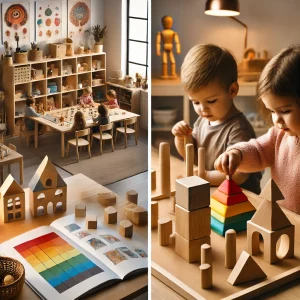
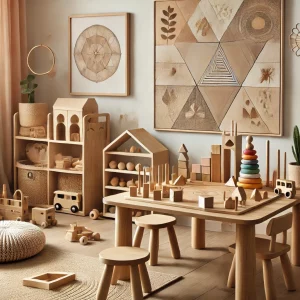
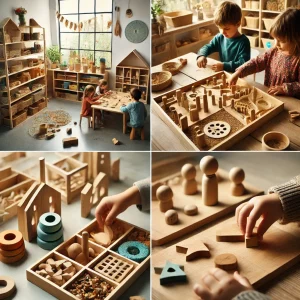
A prepared environment is essential in Montessori education. It is designed to meet the developmental needs of children, providing freedom of movement and choice. For instance, in a traditional classroom, the teacher can rearrange the space by creating learning centers that allow children to engage in various activities independently. This setup encourages exploration and hands-on learning. In contrast, the room may have been previously structured for whole-group instruction, with desks in neat rows facing the teacher, limiting student movement and choice.
Observation
Observation is pivotal in Montessori pedagogy. Educators carefully observe the actions and interests of each child, which helps them tailor lessons and activities to individual needs. For example, a student teacher can spend the first few weeks observing her students before introducing materials. This initial phase will allow her to understand the interests and developmental stage of each child, thus preparing her lessons effectively. To learn more about the principles of Montessori, refer to this comprehensive guide on Montessori pedagogy.
Autonomy
Autonomy is central to Montessori education. Children are encouraged to make choices about their learning, leading to a sense of ownership and responsibility. For instance, rather than assigning a specific task, a Montessori teacher may present various work options and allow students to select what they want to engage with. This could be seen in a traditional classroom setting, where students are often given the same assignment. In contrast, a Montessori approach provides an opportunity for more personalized learning experiences, fostering creativity and initiative.
Sensory Learning
Montessori education emphasizes sensory learning, where materials are designed to engage and stimulate the senses of children. An example of this might be a student teacher incorporating hands-on learning tools, such as tactile shapes or sound boxes, to help students explore concepts in a tangible way. In a traditional setting, lessons might rely heavily on verbal explanations and worksheets, which can limit engagement. Through sensory learning, Montessori education encourages children to explore concepts through active participation.
Implementing Montessori Principles in Traditional Classrooms
For educators in traditional settings looking to adapt their classrooms to embrace Montessori principles, consider starting small. Identify specific areas where you can create a more prepared environment. For instance, rather than a single teacher-led activity, offer multiple options for students to choose how they engage with materials. Encourage observational practices by taking time to watch how students interact with the materials and with each other. Over time, these small changes can lead to significant improvements in student engagement and learning outcomes.
The Role of Educators and Teacher-Training Students
For teacher-training students intrigued by Montessori education, understanding these principles is crucial. As you plan your first Montessori environment, consider how you can foster autonomy and sensory learning. Design learning spaces with a variety of materials at children’s reach, ensuring they can make choices freely. More about becoming an effective Montessori educator can be found in our comprehensive guide and our understanding of the Montessori method.
The Legacy of Maria Montessori
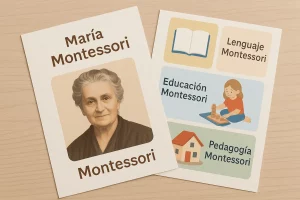
Understanding the legacy of Maria Montessori is essential for anyone interested in Montessori pedagogy. Her innovative methods continue to influence educational practices worldwide. To delve deeper into Montessori’s life and contributions, visit this comprehensive overview of Maria Montessori.
Conclusion
Montessori pedagogy offers a transformative approach to education that respects children’s natural desire to learn. For families exploring educational options, searching for “Montessori near me” can lead to profound experiences for their children. By understanding the core principles of Montessori education, parents and educators can create nurturing environments that foster independence, engagement, and a lifelong love for learning. For further insights and resources on Montessori education, visit this guide and gain access to valuable resources from the Montessori Maria website.