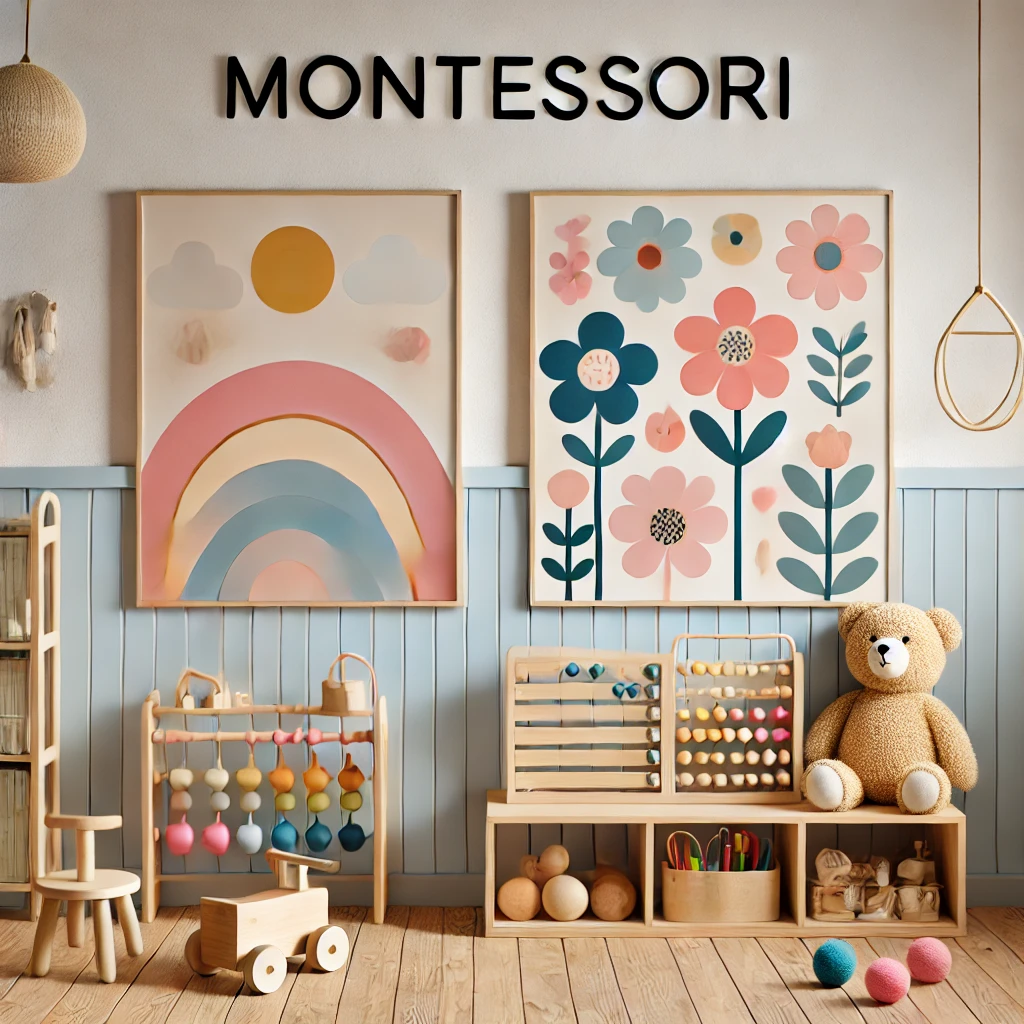
Introduction: The Search for Montessori Education
In today’s world, parents and educators frequently turn to the internet for guidance on educational methodologies that foster independence and a love for learning. Many search terms like “Montessori near me” or “Montessori school near me” illustrate the global interest in incorporating Montessori principles into children’s education. This article seeks to explore the Montessori approach, offering insights into how it can transform your child’s learning experience. Our website includes a handy Montessori locator tool to help you find nearby programs, such as Montessori schools in Terni, Umbria.
Creating a Montessori Home Environment
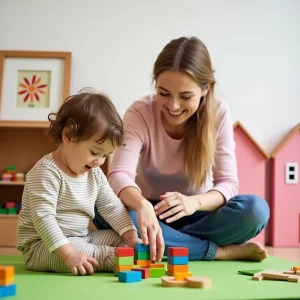
A child’s home environment plays a crucial role in their learning. By setting up a Montessori-inspired home, parents can encourage self-directed exploration. For instance, a family might design a kitchen space where children can easily access child-sized utensils and ingredients. This encourages independence, allowing kids to participate in meal preparation, enhancing their practical life skills.
Adapting Spaces for Independence
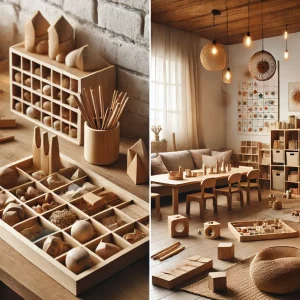
Parents can optimize their living spaces by creating designated areas for specific activities. An example could be a reading nook filled with a variety of books within easy reach of the child. By having a specific space for reading, children learn to respect the reading materials and engage deeply with them. For more in-depth information on how to create such environments, refer to our comprehensive guide on Montessori pedagogy.
Encouraging Practical Life Skills
Incorporating practical life skills into daily routines is another hallmark of Montessori education. For example, involving children in household chores, such as washing dishes or sorting laundry, helps them develop concentration, coordination, and a sense of responsibility. Such activities not only empower children but also promote self-regulation as they learn to manage tasks independently.
The Montessori School Environment
Montessori schools maintain specific principles that differentiate them from traditional educational environments. These schools are designed to cultivate an atmosphere of respect and independence. Teachers often observe children, allowing them to choose activities that resonate with their interests while providing guidance when necessary.
Child-Centered Learning
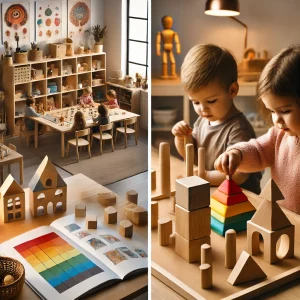
In a Montessori classroom, children are free to explore learning materials at their own pace. A teacher may adapt the shelves to ensure that children can access various learning tools independently, promoting a sense of ownership over their education. This autonomy encourages children to engage deeply with their interests, whether it’s mathematics through hands-on manipulatives or language through storytelling.
Fostering Social Skills
Social interaction is another key aspect of Montessori education. Children learn to collaborate and resolve conflicts among themselves, guided by the teacher. For example, in a Montessori class, older students might help younger ones with tasks, fostering a strong sense of community and respect. This peer-to-peer learning serves as an essential foundation for emotional development.
Emotional Development in Montessori Education
One of the most critical benefits of Montessori education is the emphasis on emotional development. Through various activities and an encouraging environment, children learn to express their feelings, develop empathy, and practice emotional self-regulation.
Self-Regulation and Responsibility
In a Montessori classroom, students often engage in activities that require self-regulation. For instance, after completing a task, a child might reflect on their performance, understanding the importance of feedback in personal growth. This self-reflective practice not only boosts confidence but helps children develop a sense of responsibility for their actions.
Building Empathy and Understanding
Empathy is a critical skill nurtured through collaborative projects. Children often work together on tasks such as gardening or art projects, cultivating a deep understanding of teamwork and the feelings of others. This approach aligns well with the holistic nature of Montessori education, where academics are intertwined with character building.
Conclusion: The Transformative Power of Montessori Education
Montessori education offers a holistic approach that nurtures children’s independence, emotional growth, and academic skills. Parents and educators alike can benefit from exploring and integrating Montessori principles into both home and school environments. Whether you’re searching for a “Montessori near me” or a specific “Montessori school near me,” it’s essential to fully understand the underlying philosophy. To further delve into the principles of Maria Montessori, take a look at our resource on Montessori pedagogy, or browse through articles about María Montessori.
If you’d like to learn more, check out our latest articles that explore various aspects of Montessori education:
- Understanding the Montessori Method: A Guide for Parents and Educators
- Understanding Maria Montessori: A Guide for Parents and Educators
- Exploring Montessori Education: Insights for Parents
- Montessori Pedagogy: A Comprehensive Guide for Parents, Educators, and Teacher Trainers
- Understanding Montessori Education: A Guide for Parents and Educators
Incorporating Montessori principles into daily routines can lead to transformative educational experiences for children. Join us on this journey towards understanding and applying Montessori pedagogy through the Montessori Maria platform and its AI assistant MarÍA.