An Introduction to Montessori
Many families today are seeking innovative educational approaches, leading them to search online with phrases like “Montessori near me” or “Montessori school near me.” If you’ve found yourself wondering about the Montessori method and how it can benefit your child, you’re not alone. This article aims to provide insights into the Montessori philosophy and its application in both schools and at home. For those looking to explore Montessori learning in your area, be sure to check our helpful search and guide section at Montessori near me.
The Origins of Montessori
To truly understand the Montessori approach, it’s important to know its roots. Developed by María Montessori, an Italian physician and educator, the method emphasizes the importance of a child-centered approach to learning. Montessori’s work in the early 20th century discovered that children learn best in environments tailored to their individual needs and interests, which is a guiding principle in Montessori education.
What is the Montessori Method?
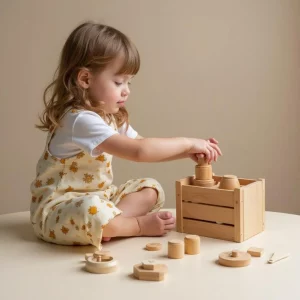
The método Montessori is grounded in respect for a child’s natural development. It encourages independent learning, allowing children to explore, make choices, and learn at their own pace. In a Montessori classroom, the environment is organized with various learning materials and activities supporting different areas of development: cognitive, social, physical, and emotional.
Why Choose Montessori for Your Child?
Parents often wonder why they should consider Montessori over traditional education methods. One main factor is the focus on fostering independence and critical thinking. Pedagogía Montessori encourages children to take responsibility for their learning by engaging in hands-on activities tailored to their interests. This empowerment leads to increased self-esteem and resilience, crucial traits for their future.
A Real-Life Example
Consider the Smith family, who recently discovered Montessori at home when they faced challenges with their five-year-old son, Alex. Every day was a struggle as Alex resisted requests to help around the house or participate in chores. After researching various educational philosophies, they learned about Montessori and its emphasis on independence and self-direction. Inspired, they started implementing simple Montessori principles at home. They designated a specific shelf for Alex’s toys and responsibilities so he could choose what to play with and when to help out. As a result, Alex blossomed with newfound independence, volunteering to help with cooking and organizing his space, illustrating how Montessori can transform daily routines.
The Role of the Environment in Montessori
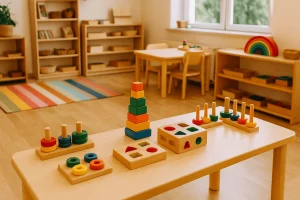
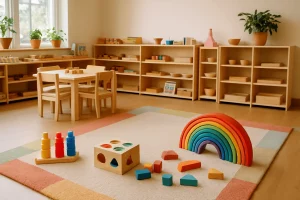
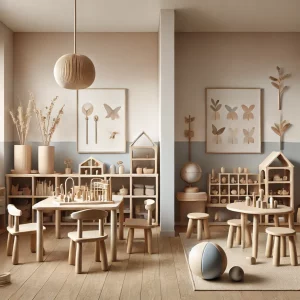
One key aspect of the Montessori approach is the carefully prepared environment. In a Montessori classroom—or at home—everything is within reach and designed to promote exploration. Materials are arranged in a way that encourages children to engage, fostering independence and self-confidence. Parents can create their own Montessori-inspired spaces at home by decluttering and organizing play areas to encourage independent exploration.
Adapting Montessori at Home
Many parents are eager to adopt Montessori principles in their everyday lives. Simple adjustments can make a significant impact. For instance, preparing meals together can invite collaboration and hands-on learning. Tasks like washing vegetables, measuring ingredients, or setting the table can become valuable lessons in responsibility and teamwork.
Finding Montessori Schools
For families looking to enroll their children in Montessori education, understanding the options is crucial. You might wonder, “How do I find a Montessori school near me?” Visiting our Montessori near me page gives insight into locating schools that align with this educational philosophy. It offers resources tailored to your geographical area, making it easier to find the right fit for your child’s educational journey.
What to Look for in a Montessori School
Not all Montessori schools are created equal. When searching for a suitable school, consider factors such as teacher training, classroom environment, and school philosophy. A quality Montessori institution should adhere to the principles laid out by understanding Montessori pedagogy, including an emphasis on child-led learning and a focus on holistic development.
The Benefits of Montessori Education
Research shows that children who experience Montessori education often display enhanced social skills, academic achievement, and self-regulation. They tend to be more engaged learners and are well-prepared for future schooling. For instance, in comparison to children from traditional schooling backgrounds, Montessori students frequently demonstrate stronger critical thinking skills and collaborative abilities.
Navigating Challenges as a Parent
As parents, you may encounter challenges while navigating your child’s education. The Montessori approach addresses common issues such as independence struggles, behavioral challenges, and even learning difficulties. Understanding the philosophy behind the understanding the Montessori method can equip you with strategies to support your child’s growth effectively. Rather than imposing rules, Montessori invites parents to guide their children, prompting natural curiosity and problem-solving.
How Technology Fits into Montessori
In today’s digital world, integrating technology into Montessori education poses interesting questions. While traditional Montessori focuses on hands-on materials and real-life experiences, the skills gained from technology cannot be overlooked. Some Montessori schools have found ways to incorporate technology responsibly, balancing screen time with tactile, engaging experiences. As a parent, it is essential to monitor and evaluate your child’s tech use, ensuring it aligns with Montessori principles.
Engaging with the Community
Becoming part of a Montessori community can enhance your educational journey. Engaging with other parents and educators allows for the sharing of ideas, resources, and experiences. Check out our resources on the Montessori Maria website to discover local events, workshops, and parent groups focused on Montessori education.
Conclusion
As you consider the benefits of Montessori for your child, remember that this educational philosophy empowers children to become independent, confident, and engaged learners. Whether you’re searching for a Montessori school or interested in incorporating Montessori at home, these principles offer valuable insights. Embrace the journey of discovering Montessori—your child’s education may be richer and more fulfilling as a result. For further guidance and resources, visit the Montessori Maria website, where you can also find MarÍA, our AI assistant trained in Montessori methodology, ready to help you navigate your path to educational success.