Introduction
In today’s fast-paced world, many families are actively searching for educational methodologies that resonate with their values and aspirations for their children. Phrases like “Montessori near me” or “Montessori school near me” have become common inquiries. They reflect a growing interest in a child-centered approach to education that promotes natural development and independence. Our website offers a Montessori locator and a variety of helpful guides to assist you in your search.
A Brief Biography of Maria Montessori
Maria Montessori was born in Italy in 1870 and became the first woman to earn a medical degree in her country. Her work with children, particularly those with special needs, led her to develop an innovative approach to education that respects the child’s natural learning processes. She believed that children learn best in an environment tailored to their needs, allowing them to explore and discover at their own pace. Maria Montessori’s teachings have left an indelible mark on education worldwide, prompting educators and parents to explore Maria Montessori y su legado.
Montessori Principles in Action
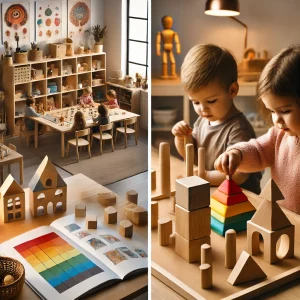
Implementing the Montessori method can be transformative for both classrooms and home environments. Educators are increasingly reorganizing their classrooms to create spaces that inspire curiosity and independence. For instance, a teacher may set up various learning stations with hands-on activities that cater to different interests. This arrangement allows students to choose their activities, fostering a sense of ownership over their learning experience.
Classroom Transformation
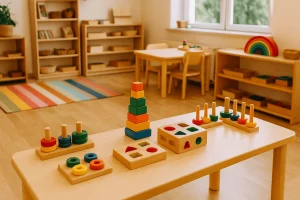
Imagine a traditional classroom filled with rows of desks. A teacher who embraces Montessori principles might rearrange the furniture into small, collaborative groups or individual learning nooks. Shelves filled with engaging materials and resources encourage exploration. Children are given the freedom to move about the room, interacting with their peers and discovering new skills. By utilizing the método Montessori, the teacher fosters an environment that understands and promotes self-directed learning.
Creating a Montessori Home Environment
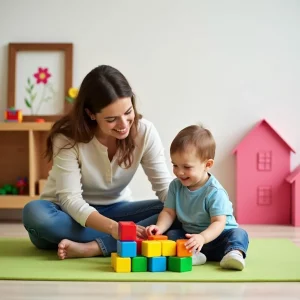
Parents can also implement Montessori principles in their homes to enrich their children’s everyday experiences. Preparing a child’s room for independence can be a rewarding endeavor. This can include low shelves filled with books and toys, child-sized furniture, and tools that allow for active participation in daily chores. By creating an accessible environment, parents empower their children to engage with their surroundings, enhancing their confidence and decision-making skills.
Practical Changes at Home
For instance, a parent can organize a dedicated play area where everything is at the child’s height. This area might include a small table for art projects, a shelf for books, and toys arranged categorically to promote independent choices. Additionally, involving children in tasks like cooking or cleaning not only teaches responsibility but also nurtures life skills that will benefit them in the long run. Parents can learn more about this transformative approach through our detailed guide on pedagogía Montessori.
The Role of Educators in Montessori Education
Educators play a pivotal role in a Montessori setting, acting as guides rather than traditional authoritative figures. Emphasis is placed on observation, allowing teachers to understand each child’s unique learning style and pace. Implementing individualized learning plans is a significant aspect of the Montessori approach that requires a dedicated educator who understands the importance of catering to diverse interests and abilities.
Continuous Professional Development
Teachers can benefit greatly from ongoing training in Montessori methodologies, which equips them with the tools needed to foster an effective and engaging learning environment. Workshops, seminars, and online resources help educators refine their skills and stay current with the latest Montessori practices. For a comprehensive understanding of these practices, educators and parents alike can explore our resource on understanding the Montessori approach at this link.
Emotional and Social Development in Montessori Education
Montessori education not only focuses on academic achievements but also on emotional and social growth. Children are taught to respect themselves, others, and their environment, ensuring that they develop a strong sense of community and global citizenship. Cooperative play, peer learning, and group projects are common practices that promote social skills and emotional intelligence.
Building Relationships
For example, a Montessori classroom might have a “peace corner” where children can go to discuss conflicts or reflect on their feelings. This practice encourages children to resolve disputes amicably while fostering empathy and mutual respect. By allowing children to navigate their emotions and social interactions, the Montessori approach lays a foundation for lifelong interpersonal skills.
Finding the Right Montessori School
As you search for the ideal educational setting for your child, it’s essential to find a Montessori school that aligns with the authentic principles established by Maria Montessori. Parents often turn to online tools, searching phrases like “Montessori near me” to identify nearby options. Our Montessori locator can help streamline this process, providing you with a list of vetted schools that adhere to Montessori philosophy.
Making Educated Choices
When considering options, visiting the school and observing classrooms in action is vital. Look for a well-prepared environment, engaged children, and knowledgeable educators. Speak with other parents to gauge their satisfaction with the school, and don’t hesitate to ask staff about their training and philosophy. These steps will help ensure that you choose a school that genuinely embodies the spirit of the Montessori approach.
Conclusion
As we reflect on the legacy of Maria Montessori, it is clear that her approach continues to shape the landscape of modern education. By prioritizing child-centered learning, we equip future generations with the skills and confidence needed for success. Whether you are a parent or educator, engaging with Montessori principles can significantly impact children’s lives. To explore more about Maria Montessori and her educational contributions, visit the Montessori Maria website, where our AI assistant MarÍA is ready to assist you in your journey towards creating empowering environments for children.