A Growing Interest in Montessori Education
In today’s educational landscape, many families are increasingly searching for “Montessori near me” or “Montessori school near me” as they seek an educational approach that fosters independence, curiosity, and a love for learning in their children. Montessori education, developed by the Italian physician and educator María Montessori, emphasizes hands-on learning, mixed-age classrooms, and a focus on the individual child’s needs. If you’re one of those parents or educators, our website offers a fantastic Montessori locator and helpful guides to assist you in finding the right Montessori resources and schools.
A Brief Biography of María Montessori
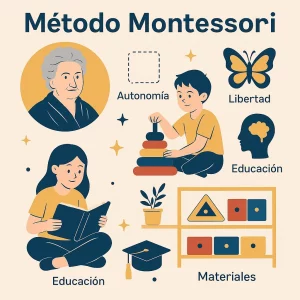
Maria Montessori was born on August 31, 1870, in Chiaravalle, Italy. Originally pursuing a degree in medicine, she became one of the first female physicians in Italy. Her medical background influenced her approach to education, leading her to focus on the developmental needs of children rather than viewing them as empty vessels to be filled with information. Montessori developed her educational philosophy, which is rooted in respect for the child and a belief in their potential for self-directed learning. Today, her methods are embraced by numerous schools worldwide, making a profound impact on early childhood education.
Implementing Montessori Principles at Home
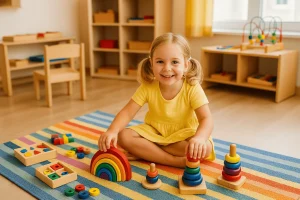
Parents interested in incorporating Montessori principles into their homes can make simple yet effective changes. For instance, consider reorganizing your child’s room to encourage independence. This might include placing toys and learning materials within reach, creating designated areas for different activities, and ensuring there is a child-sized space for work and play. By offering choices and promoting freedom within limits, you can help your child develop decision-making skills and responsibility.
Classroom Organization
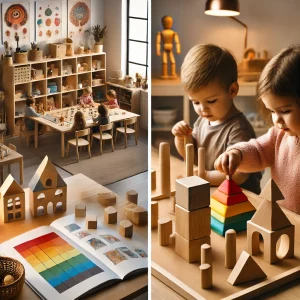
Educators can also benefit from adapting their classrooms to align with Montessori practices. Take, for example, a teacher who chooses to reconfigure their classroom layout to create a more inviting and accessible space. Instead of traditional rows of desks, they arrange learning areas that allow children to move freely, select materials, and engage collaboratively with their peers. Implementing learning stations—each focused on different subject areas—can encourage exploration and promote a sense of ownership of the learning process.
Resources for Educators and Parents
For those looking to dive deeper into Montessori education, a wealth of resources is available. Websites such as the Understanding Montessori Education: A Guide for Parents and Educators provide comprehensive insights into Montessori’s core principles and how they can be effectively implemented in various settings. Additionally, learning about María Montessori y su legado allows for a deeper appreciation of her contributions to the education system and the transformative impact of her work.
Fostering Independence
One of the key tenets of the método Montessori is fostering independence in the child. This can be beautifully illustrated through the example of a parent encouraging their toddler to dress themselves. By providing accessible clothing options and allowing the child to choose what to wear, parents are not only promoting self-sufficiency but also instilling confidence and decision-making abilities in their children.
The Role of the Educator
In a Montessori classroom, the teacher’s role is that of a guide rather than a traditional instructor. This shift allows children to lead their learning journey, guided by their interests and innate curiosity. By observing students’ interactions and offering appropriate materials as needed, educators can create a rich learning environment that is tailored to the individual needs of each child. For a thorough understanding of how to implement such practices, Montessori Pedagogy: A Comprehensive Guide for Parents, Educators, and Teacher Trainers serves as a valuable resource.
Creating a Prepared Environment
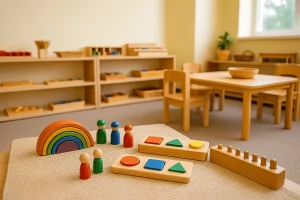
A critical aspect of Montessori education is the concept of a “prepared environment.” This idea centers on creating a space where materials are organized, accessible, and allow children to choose their activities. A classroom or home setting filled with Montessori-designed materials encourages exploration and self-directed learning. Parents and educators alike should focus on designing spaces that inspire children to engage with their surroundings actively.
Using Technology in Montessori Education
While minimizing screen time is often a goal in Montessori environments, technology can still play a positive role if integrated thoughtfully. For instance, children can use educational apps that promote problem-solving or creativity, which can be utilized to complement traditional hands-on learning materials. The key is to choose resources that align with Montessori principles and support children’s development rather than distract from it.
Integrating Nature
Another dimension to Montessori education is the integration of nature into learning. Taking children outdoors to learn about the environment can spark curiosity and connection with the world around them. Simple activities like gardening or nature walks can provide powerful learning experiences while promoting physical health and well-being.
Connecting with the Montessori Community
For many families and educators, finding a supportive community is essential for their Montessori journey. Engaging with local groups or online forums can provide a network of like-minded individuals who share experiences, challenges, and successes. Additionally, our Montessori locator can help you find schools and resources based in your area, allowing you to connect with other families and educators who share the Montessori philosophy.
The Benefits of Montessori Education
Research has shown numerous benefits associated with Montessori education. Children who participate in Montessori programs often show greater social skills, improved academic performance, and a stronger sense of self-motivation than their traditionally educated peers. These positive outcomes reinforce the popularity of the Montessori approach, leading more families to search for Montessori-based resources.
The Future of Montessori Education
As Montessori education continues to gain traction in various parts of the world, ongoing discussions around educational reform are becoming increasingly relevant. Parents and educators alike are recognizing the need for a shift away from standardized testing and rote memorization toward more holistic and child-centered approaches. By incorporating Montessori principles, we can foster a love for learning and prepare children for their future in an ever-changing world.
Support from AI in Montessori Education
Today, advancements in technology offer innovative ways to support Montessori practices. Our AI assistant, MarÍA, is available to guide parents and educators in their Montessori journey. By exploring options on the Montessori Maria website, users will find tailored resources, recommendations, and additional insights that will enhance their understanding and application of Montessori methods.
Conclusion
As the interest in Montessori education continues to grow, families and educators alike are keen to explore this unique approach. With resources available through our site, including comprehensive guides and community connections, the journey to understanding and implementing Montessori principles becomes accessible and practical. By actively embracing the teachings and philosophy of Maria Montessori, we can nurture a generation of independent, curious, and self-motivated learners.
For more insights and to explore our latest resources, consider checking out our recent articles such as The Philosophy of Montessori Education, or Understanding the Montessori Method. We invite you to dive deeper into the Montessori world and discover how it can positively impact your child’s educational experience.