Introduction
In today’s world, many families searching for educational options are turning to the “Montessori near me” queries online. These searches reflect a growing interest in Montessori education as parents and educators seek effective and nurturing ways to support children’s development. Our website offers a Montessori locator and essential guides to help you find the right resources for your child’s educational journey.
Who Was María Montessori?
María Montessori was an Italian physician and educator, born on August 31, 1870, in Chiaravalle, Italy. Her innovative approach to education emerged in the early 20th century, focusing on the idea that children learn best in environments that foster independence and respect for their natural development. Montessori’s work began with her involvement in a daycare center, where she introduced child-centered learning techniques that encouraged self-directed activity. Her methods quickly gained traction and laid the groundwork for what we now know as the método Montessori.
Practical Real-life Examples
Implementing Montessori principles in the home or classroom can significantly enhance a child’s learning experience. Here are a few examples:
A Teacher’s Transformation
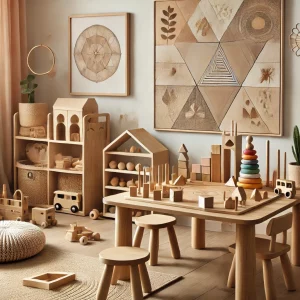
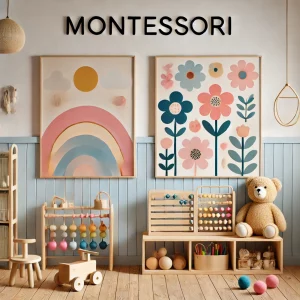
Imagine a teacher who has decided to transform their traditional classroom to incorporate pedagogía Montessori. After researching Montessori principles, they choose to reorganize their classroom layout, creating distinct learning areas for different activities. The teacher sets up a reading nook, a sensory table, and an art station, allowing students to choose their activities according to their interests and developmental levels. This flexibility promotes independence and cultivates a love for learning as each child explores at their own pace.
Preparing for Independence at Home
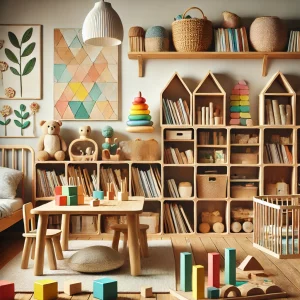
Parents can also apply Montessori principles at home to foster independence. For instance, when preparing a child’s room, they might arrange it to be child-friendly and accessible. This could mean lowering clothing rods in closets, providing step stools in the kitchen, and creating designated areas for toys that encourage creative play. The goal is to allow children to make choices about their environment, thereby enhancing their confidence and self-sufficiency.
The Legacy of María Montessori
Today, the legacy of María Montessori lives on in the countless Montessori schools worldwide, where her philosophies continue to inspire educators and parents alike. Her work not only revolutionized classroom education but also established a model for childhood development that values respect, individuality, and the innate curiosity of children. To dive deeper into her life and contributions, visit María Montessori y su legado.
How to Find Montessori Programs
For those looking to embrace the Montessori education model, locating a suitable program can be vital. Many families frequently use the keyword “Montessori school near me” to discover local options. By using our Montessori locator, you can find schools in your area that align with Montessori principles and provide an excellent educational foundation for your child.
The Role of Montessori in Child Development
The core philosophy of María Montessori’s approach to education centers on understanding children’s needs and interests. Her approach emphasizes the importance of hands-on learning, with materials carefully designed to engage children and encourage exploration. In a Montessori environment, children are free to choose their activities, promoting a sense of control over their learning experiences, which can lead to improved motivation and academic performance.
Montessori in Practice
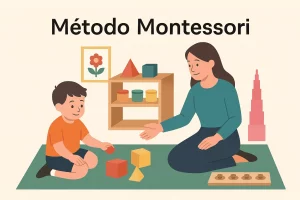
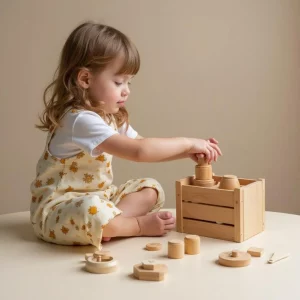
The Montessori method involves specific practices and materials tailored to each developmental stage. For instance, in early childhood settings, children may engage with sensory-based materials that refine their senses and motor skills. As they progress, Montessori materials help them understand abstract concepts through concrete experiences, paving the way for deeper understanding in subjects like math and science.
Community and Collaboration
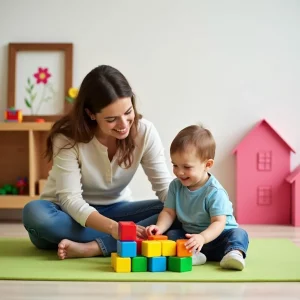
Another essential aspect of Montessori education is the collaborative community it fosters among students. In a mixed-age classroom, younger children learn from older peers, while older children reinforce their knowledge by teaching concepts to younger classmates. This community-centric model helps build interpersonal skills, empathy, and a sense of belonging among students.
Using Technology in Montessori Education
In an increasingly digital world, incorporating technology thoughtfully into the Montessori approach can enhance learning without compromising its core values. Educators can use technology to complement hands-on experiences rather than replace them. Digital resources can also provide personalized learning experiences, where children can engage with content at their own pace and skill level.
Supportive Resources
At the Montessori Maria website, we offer various resources, including articles, guides, and help from our AI assistant, MarÍA. MarÍA is designed to answer questions and provide personalized support to parents and educators exploring the Montessori method. Check out our comprehensive guides, such as Understanding Montessori Pedagogy and Understanding The Montessori Method for further insights.
Conclusion
Embracing the teachings of María Montessori can profoundly impact the way we approach education and child development. By fostering an environment of independence, respect, and curiosity, we can nurture the next generation of learners. Whether you are a parent preparing your child’s space for autonomy or an educator redesigning your classroom, implementing Montessori principles can create enriching experiences for children. For more information, resources, and to discover options in your area, visit our Montessori locator today!