Maria Montessori and the Search for Educational Guidance
In today’s fast-paced world, many families find themselves searching for guidance when it comes to education. Phrases like “Montessori near me” or “Montessori school near me” have become increasingly common in online searches. As the interest in Montessori education grows, our website offers a helpful Montessori locator and valuable guides to assist parents and educators in finding the right resources. With an extensive understanding of Maria Montessori’s timeless principles, families can make informed decisions regarding their child’s educational journey.
A Brief Biography of Maria Montessori
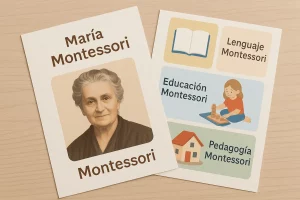
Maria Montessori was an Italian physician and educator born on August 31, 1870. Her revolutionary approach to education emerged from her pioneering research on child development and learning. Montessori was the first woman in Italy to earn a medical degree, which gave her unique insights into the needs of children. She founded the Montessori method, emphasizing self-directed activity, hands-on learning, and collaborative play. Montessori’s work laid the foundation for a global educational movement that continues to thrive, making her legacy a significant part of modern education.
Montessori Principles in Action
Maria Montessori’s philosophy focuses on fostering an environment where children can learn at their own pace. Here’s how this can be implemented in real life:
1. Classroom Reorganization by Teachers
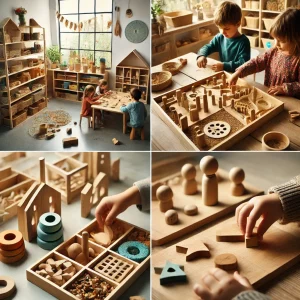
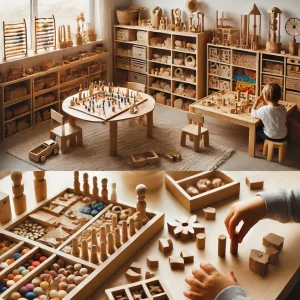
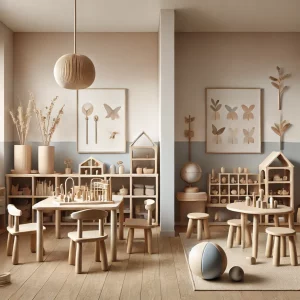
Imagine a teacher who decides to transition their traditional classroom layout into a Montessori-inspired environment. Instead of rows of desks, the teacher creates multiple learning stations tailored to various subjects—science, art, language, and mathematics. Each station is equipped with Montessori materials that encourage exploration and creativity. This reorganization allows students to choose where to work, promoting independence and personal responsibility. The teacher circulates the room, providing guidance and support when necessary, embodying the Montessori principle of being a facilitator rather than a director of learning.
2. Preparing a Child’s Room for Independence
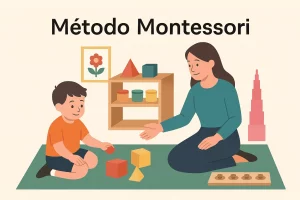
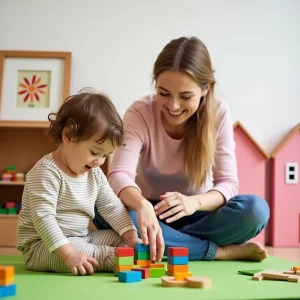
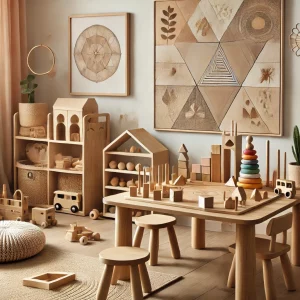
Parents can apply Montessori principles at home by transforming their child’s space to promote independence. For instance, a room can be equipped with low shelves containing accessible toys and books. Instead of a crib, a floor mattress can give the child the freedom to get in and out of bed without assistance. A specially designed art corner allows for creative expression with materials readily available. Such changes create a supportive environment that encourages autonomy and confidence in children.
Montessori Method: Key Elements
The Montessori method places a strong emphasis on child-driven learning. Children are given the freedom to choose their activities, which fosters intrinsic motivation. This method encourages collaboration among children, developing social skills and community spirit. Children learn to respect themselves and others, promoting a sense of belonging and security.
The Impact of Montessori Education Today
Today, Montessori education spans the globe, with numerous schools adhering to its principles. Many parents see significant advantages in this educational approach. Reports from Montessori education indicate improvements in children’s social, emotional, and academic development. Families who explore this option often find that their children thrive in an environment that respects their learning rhythms and nurtures their natural curiosity.
Understanding the Montessori Pedagogy
Delving deeper into pedagogía Montessori, we see that it encourages educators to observe rather than instruct. This observation allows teachers to tailor their approach according to the interests and needs of each child. For instance, if a child shows a keen interest in insects, the educator can introduce related activities that deepen that interest, rather than adhere to a strict curriculum.
3. Community Engagement
Building a sense of community is also a vital aspect of Montessori education. One compelling example is a mixed-age classroom where older students mentor younger ones. This structure fosters empathy, patience, and leadership skills among students while creating a supportive learning environment. Parents, too, can engage in community activities, like volunteering in the classroom or participating in school events, reinforcing these connections.
Finding Montessori Resources Online
For those seeking more information, resources like our AI assistant MarÍA provide personalized guidance. You can find exclusive content and answers to frequently asked questions on the Montessori Maria website, helping parents navigate their Montessori journey with ease. Our guides are tailored for both educators and parents, ensuring that everyone can benefit from Montessori principles.
Practical Examples of Montessori Success
The success stories of Montessori students abound. A notable example is a group of students who, after completing their Montessori education, demonstrated exceptional problem-solving skills and a love for learning. Transitioning seamlessly into traditional school systems, they often outperformed peers in areas requiring critical thinking and creativity. This reflects the robust foundation that Montessori education establishes early in life.
4. Parental Involvement
Another success story features a set of parents who fully embraced the Montessori philosophy at home. By incorporating daily routines that align with Montessori principles, such as allowing their children to participate in cooking and household tasks, they fostered a strong sense of responsibility and self-reliance. Their children not only learned valuable life skills but also displayed a remarkable capacity for independence as they took ownership of their actions and their environment.
Conclusion
As you explore the world of Maria Montessori, you’ll discover a wealth of resources and support designed to enhance both teaching and learning experiences. By understanding and implementing Montessori principles at home and in the classroom, parents and educators can help foster an environment that nurtures children’s innate desire to learn. For more information, don’t hesitate to visit our sections on understanding the Montessori method and consult our comprehensive guides on discovering Montessori. With so many valuable insights available, the journey towards a transformative educational experience for your child is just a click away.