Introduction
In today’s fast-paced world, many families find themselves searching for “Montessori near me” or “Montessori school near me” as they seek a supportive educational environment for their children. Amidst the myriad of educational philosophies, the Montessori approach has gained significant traction, emphasizing child-centered learning and independence. Our website offers a convenient Montessori locator and valuable resources to guide parents and educators on their journey to integrating the Montessori method into their lives.
A Biography of María Montessori
María Montessori was born on August 31, 1870, in Chiaravalle, Italy. She became the first woman in Italy to earn a medical degree, leading her to a career in educational reform. Inspired by her work with children with disabilities, Montessori developed her unique educational approach, focusing on the needs and interests of the child. Her philosophy promotes respect for a child’s natural development and an educational environment that nurtures autonomy. Over her lifetime, she traveled the world, establishing the Montessori method in various countries and creating schools that embody her principles. For a deeper dive into her legacy, check out María Montessori y su legado.
The Montessori Method
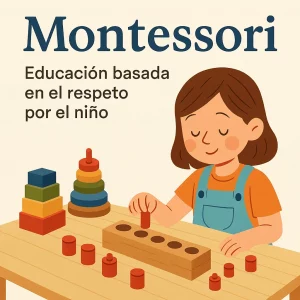
At the heart of the Montessori approach is the belief that children learn best when they are given the freedom to explore their interests. This hands-on learning encourages engagement and a love for knowledge. The método Montessori outlines essential principles, such as mixed-age classrooms, collaborative play, and individual learning plans, that are designed to cultivate independence and self-esteem.
Implementing Montessori Principles in a Classroom
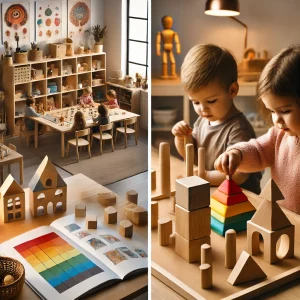
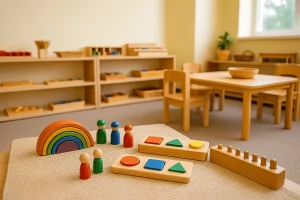
Educators can successfully implement Montessori principles by reorganizing their classrooms to foster independence and choice. For instance, a teacher might create designated learning areas with materials that encourage exploration and discovery. Instead of traditional rows of desks, classrooms can be arranged in workstations where children can move freely between activities. Imagine a space where children can choose to engage in sensory play, practical life skills, or creative arts, all while learning at their own pace. By doing so, teachers not only embrace the spirit of Montessori but also empower students to take charge of their learning journey.
Creating a Montessori Home Environment
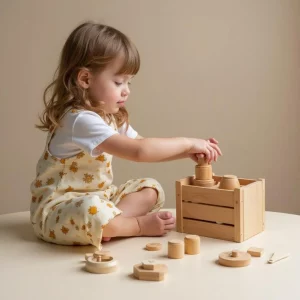
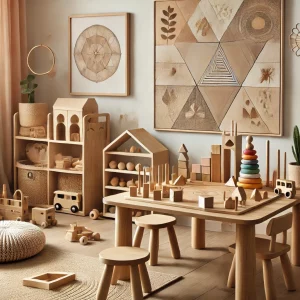
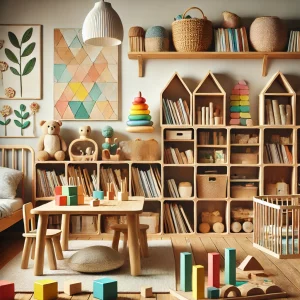
Parents can also create a Montessori-inspired environment at home, promoting independence and self-sufficiency. For example, when preparing a child’s room, parents can include low shelves accessible to the child, filled with materials that promote learning and exploration. Placing everyday items within reach, such as child-sized utensils and clothing, helps children develop practical life skills. By setting up spaces that encourage autonomy, parents reinforce the values taught in Montessori schools.
Real-Life Examples of Montessori in Action
Consider a family who, inspired by the principles of María Montessori, decides to transform their playroom. They replace traditional plastic toys with open-ended materials like wooden blocks, art supplies, and nature items. This change not only enhances creativity but also allows children to engage in imaginative play without constraints. Each time a child interacts with these materials, they learn valuable lessons in problem-solving and self-direction.
The Role of Educators in Montessori Education
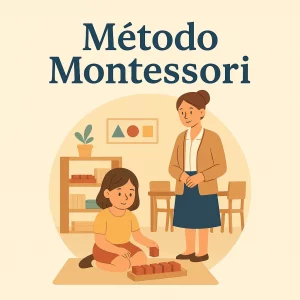
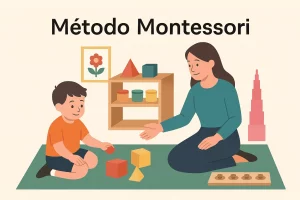
In Montessori education, the role of the educator shifts from traditional instructor to facilitator. Educators observe and guide children, providing them with resources that align with their developmental needs. Effective teachers in this model recognize when to step in and when to step back, allowing children to lead their own learning experiences. This method has profound implications for classroom dynamics, fostering a sense of community and cooperation among students.
Exploring Montessori Pedagogy
As educators and parents strive to adopt Montessori principles, it’s essential to understand pedagogía Montessori. This approach emphasizes experiential learning and respects the child as an active participant in their development. By applying these principles, educators can create nurturing environments that inspire curiosity and confidence.
Montessori Resources for Families and Educators
To support both parents and educators, our website offers a myriad of resources, articles, and a Montessori locator tool. Whether you are new to the Montessori philosophy or seeking ways to deepen your understanding, you can explore our comprehensive guides; for instance, the article on understanding María Montessori serves as an excellent starting point. Additionally, you can find information about local Montessori schools tailored to your needs, making it easier to find a community that shares your educational values.
Utilizing Technology in Montessori Education
Interestingly, technology can also play a role in Montessori education. Our AI assistant, MarÍA, found on the Montessori Maria website, can help guide families in integrating Montessori principles into their daily routines. Whether you’re looking for tips on creating an enriched home environment or seeking guidance on fostering independence, MarÍA can be a helpful companion on your Montessori journey.
Building a Montessori Community
Finding support is crucial for families and educators exploring the Montessori philosophy. Engaging with local Montessori communities allows parents and teachers to share experiences, resources, and insights. With the convenience of searching for “Montessori near me,” individuals can connect with others who share a commitment to Montessori education and establish lasting relationships centered around a mutual goal.
Conclusion
In conclusion, María Montessori’s approach offers invaluable insights for both parents and educators. By understanding the principles and practical applications of Montessori education, families can cultivate independence and a love for learning in their children. Whether through home environments or classroom settings, the Montessori philosophy encourages children to explore, discover, and thrive. For further reading, check our comprehensive guide to Montessori education here. As we continue to learn about the profound impact of Montessori, we invite families and educators to embrace this transformative approach to education.