The Search for Montessori Education
In today’s increasingly competitive educational landscape, many families are actively searching for “Montessori near me” or “Montessori school near me” as they seek guidance on the best schooling options for their children. This search often leads to a profound exploration of the Montessori philosophy, a method of education that emphasizes independence, respect, and holistic development. At our website, we offer a convenient Montessori locator and a plethora of helpful guides to assist families in their quest for Montessori schools and resources Montessori near me.
Who is María Montessori?
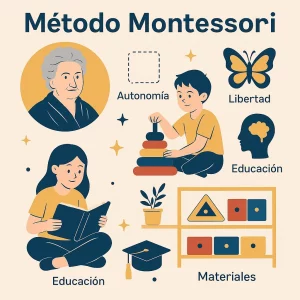
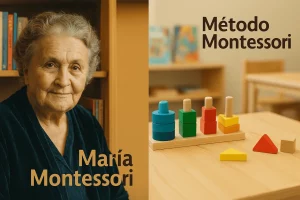
Maria Montessori was an Italian physician and educator born on August 31, 1870, who revolutionized early childhood education. Her career began in the early 1890s when she worked with children with disabilities, applying her observations of their learning processes to develop her educational method. The Montessori method decentralizes traditional pedagogical control and fosters an environment where children can take charge of their own learning. This approach is as relevant today as it was in her time, and families now have the opportunity to learn about her work and its lasting impact. For more about her contributions, visit María Montessori y su legado.
Practical Applications of Montessori Principles
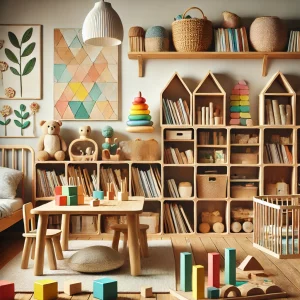
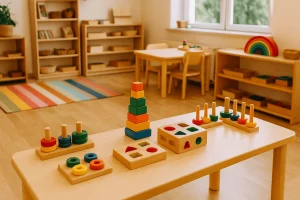
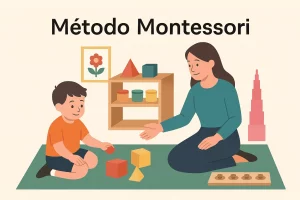
Understanding the theory behind the Montessori method is essential for both parents and educators, but seeing it in action brings its relevance to life. For instance, a teacher might decide to reorganize their classroom based on the Montessori principles of self-directed learning and respect for the child’s natural development. A classroom designed with low shelves, diverse learning materials, and areas for group collaboration exemplifies how physical space can enhance the learning experience.
Transforming the Classroom Environment
In a real-world application, consider a kindergarten teacher who observes that children gravitate toward specific learning stations. Inspired by the Montessori method método Montessori, she decides to reorganize her classroom. She creates designated areas focused on practical life skills, sensorial exploration, and creative arts. As a result, children become more engaged, taking ownership of their learning, and exploring the materials at their own pace.
Empowering Independence at Home
Similarly, parents can incorporate Montessori principles at home to foster independence in their children. For instance, a parent preparing a child’s room might create a space that encourages self-care and decision-making. This could include providing child-sized furniture, easily accessible learning materials, and designated areas for play and creativity. Such adjustments not only make the child feel more capable but also highlight a respect for their emerging identity as an individual.
The Montessori Pedagogy Explained
At the heart of the Montessori method lies a deep respect for the child’s natural development, which is foundational in pedagogía Montessori. This philosophy believes that children thrive in environments that are rich in resources and that promote autonomy and choice. A child in a Montessori classroom is not merely a passive recipient of information; rather, they are an active participant in their learning journey.
Case Study: A Montessori-Inspired Classroom
An illustrative example involves a first-grade teacher who embraces Montessori principles. Instead of desk rows where students receive direct instruction, she organizes her classroom into collaborative workspaces equipped with various materials. She nurtures a culture of peer learning, where children help each other while exploring different subjects. This method not only boosts academic skills but also fosters social skills and community within the classroom.
The Role of Parents in a Montessori Environment
Parents play an integral role in the Montessori philosophy. It’s essential for parents to understand that the method is not just confined to the school environment but extends to the home as well. Engaging with children through meaningful conversations and allowing them to express their choices and opinions can make a significant difference.
Encouraging Curiosity and Exploration
For example, instead of directing a child on which book to read or which toy to play with, a parent can present options and allow the child to choose based on their interests. This practice cultivates an environment of curiosity and a love for learning. Additionally, parents can collaborate with their child’s school by using the resources available to them, such as our understanding Montessori guide, to reinforce these practices at home and create a seamless educational experience.
The Benefits of the Montessori Approach
The benefits of adopting the Montessori approach in both home and educational settings are manifold. Children raised within this model tend to exhibit greater social skills, enhanced emotional intelligence, and improved academic performance. Furthermore, they develop a sense of community and responsibility towards their peers, fostering a collaborative spirit.
Real-Life Testimonials
Parents who have embraced the Montessori method often share transformative experiences highlighting their children’s happiness, creativity, and self-sufficiency. A mother reflects on her child’s journey through her Montessori school, recounting how her daughter emerged not just as a better learner, but as a more empathetic and socially aware individual. Such testimonials underline the critical importance of the Montessori philosophy in nurturing well-rounded human beings.
Exploring Montessori Resources
In addition to firsthand accounts, extensive research supports the efficacy of the Montessori method. Studies have shown that children in Montessori programs often outperform their peers in areas such as problem-solving and critical thinking. If you’re intrigued and wish to delve deeper into the method, our website offers numerous resources, including guides and articles that illuminate the essence and practical applications of Montessori education. Visit a comprehensive guide on Montessori education to discover further insights.
The Future of Montessori Education
As more parents and educators seek innovative educational alternatives, the principles of María Montessori continue to resonate. Her legacy teaches us that learning is a lifelong adventure and that fostering an environment rich in opportunity paves the way for children to thrive. With resources available here, parents and educators can equip themselves with the tools they need to support this transformative approach to education.
Getting Assistance with Montessori Education
If you find yourself navigating the world of Montessori education and need personalized assistance, consider using our AI assistant, MarÍA. This tool is available on the Montessori Maria website and can help guide you through various resources and answer questions related to the Montessori approach.
Conclusion
In conclusion, the teachings of María Montessori encapsulate a progressive approach to education, one that respects the child as an active participant in learning. Whether you are searching for a “Montessori school near me” or seeking ways to implement Montessori principles at home, the resources and guidance available on our platform will empower you to make informed decisions. Embrace the journey of education alongside your child and witness the wonders of learning through a Montessori lens.