Understanding Montessori Education
Parents around the world often find themselves searching online for resources to help guide their child’s education, using phrases like “Montessori near me” or “Montessori school near me.” These searches reflect a growing interest in the Montessori method, a unique educational approach developed by María Montessori. Our website provides a handy Montessori locator tool to help families find nearby schools and resources, such as Montessori near me or Montessori school near me. This article delves into the rich principles of Montessori education, how it can be implemented at home and in schools, and its positive impacts on children’s emotional and intellectual development.
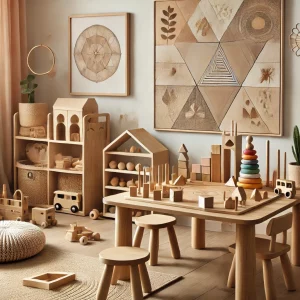
Creating a Montessori Home Environment
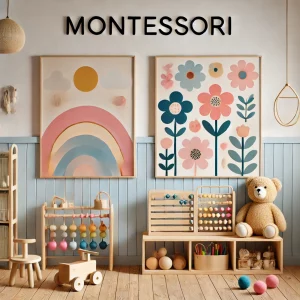
The home environment plays a crucial role in the Montessori method. Parents can create spaces that encourage independence and learning by utilizing simple yet effective strategies. For example, consider setting up a Montessori-inspired kitchen space where children can help with meal preparation. By including low shelves for their cooking tools and utensils, children are empowered to participate actively, fostering both independence and confidence.
Practical Life Activities
Practical life activities are essential in a Montessori home. Parents might include activities like pouring water from one container to another or polishing a wooden surface. These tasks not only aid in developing fine motor skills but also allow children to feel a sense of accomplishment. Integrating this into daily routines can make chores fun while cultivating a sense of responsibility.
Montessori-Friendly Furniture
Furniture plays a significant role in promoting independence in children. Investing in child-sized furniture—such as tables and chairs—can encourage kids to engage independently in their activities. This aligns with the spirit of independence that Montessori education advocates. For example, a shelf stocked with books at the child’s height allows them to choose reading materials without adult intervention, fostering a natural love for literature.
Implementing Montessori in the School Environment
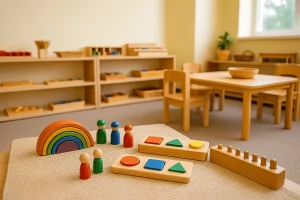
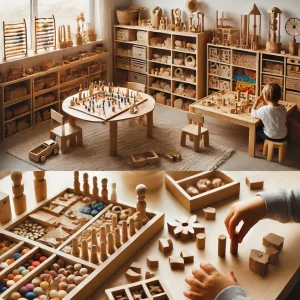
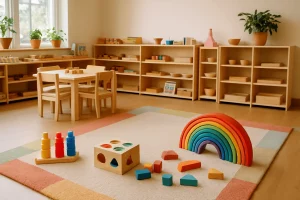
In a school setting, Montessori principles can come alive in various ways. Educators trained in this method understand the importance of a prepared environment that stimulates learning. A well-organized classroom encourages communication, collaboration, and social skills essential for a child’s development.
Creating an Engaging Classroom
For instance, a Montessori teacher might adapt classroom shelves to ensure that materials are accessible to students, allowing them to choose what they wish to work on. This autonomy not only respects the child’s interests but also encourages self-regulation. Children learn to manage their time, decide what to pursue, and recognize when they need a break—skills that are invaluable throughout life.
Collaboration and Community
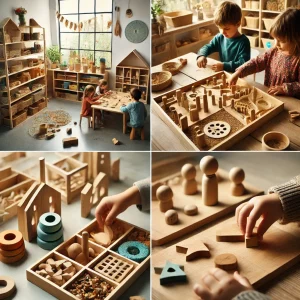
Montessori education puts a strong emphasis on community and collaboration. Multi-age classrooms allow younger children to learn from older peers, while older children reinforce their understanding by teaching younger ones. This peer-to-peer learning fosters an inclusive environment where children can share knowledge and support one another.
Emotional Development through Montessori Principles
Emotional development is a core component of the Montessori method. The environment, whether at home or school, is designed to promote self-awareness, empathy, and emotional regulation.
Building Independence and Confidence
For example, by allowing a child to choose their activities, both at home and in school, we encourage them to explore their interests freely. This autonomy breeds confidence as children become more skilled in decision-making and experience success in their endeavors. Montessori classrooms often utilize conflict resolution techniques that guide children in resolving disagreements, fostering emotional intelligence and social understanding.
Supporting Self-Regulation
One of the pillars of emotional development in Montessori education is self-regulation. For instance, teachers may incorporate moments of quiet reflection after a challenging activity to help students process their emotions. Activities such as mindfulness or yoga can also be introduced, giving children tools to manage their feelings and enhance focus. The bidirectional approach of learning in the Montessori setting, where students also reflect on their progress, allows them to take ownership of their emotional and academic journeys.
Conclusion
As parents and educators consider the principles of Montessori education, they might discover that this approach not only enriches children’s academic learning but also profoundly impacts their emotional and social growth. By searching terms like “Montessori near me” or “Montessori school near me,” parents can begin a journey that opens doors to meaningful learning experiences for their children.
For a deeper understanding, check out our guía completa sobre la pedagogía Montessori and other resources on our website. You can also explore our latest articles, such as Understanding the Montessori Method and Understanding María Montessori, to expand your knowledge further. Utilize the Montessori Maria platform and its AI assistant MarÍA to locate resources and support in your area. Let’s embrace this transformative journey together for the betterment of our children’s education.