Introduction to Montessori Education
In today’s ever-evolving educational landscape, many families find themselves searching for “Montessori near me” or “Montessori school near me” when seeking guidance on their child’s educational journey. The Montessori method, developed by María Montessori, emphasizes independence, respect for the child, and a prepared environment that nurtures their natural desire to learn. On the Montessori Maria website, we provide a Montessori locator along with helpful guides for parents and educators eager to explore this transformative approach.
A Brief Biography of María Montessori
Born in Italy in 1870, María Montessori was one of the first female doctors in her country. Her groundbreaking work in education began while observing children in a psychiatric clinic, leading her to develop her unique educational philosophy. Montessori’s core belief was that children thrive when given the freedom to explore their interests in a carefully prepared environment. This approach laid the foundation for what we now know as the Montessori method, which is now practiced in schools around the world. Her legacy continues to influence educators and parents today.
Understanding the Montessori Method
The Montessori method is built on several key principles that focus on promoting independence, respect for a child’s natural development, and emphasizing hands-on, experiential learning. It encourages children to make choices and learn at their own pace. This method is not merely about academic achievement but also about fostering essential life skills and social responsibilities. However, incorporating pedagogía Montessori principles can appear daunting for parents and teachers alike. Here, we explore practical applications of these principles in everyday life.
Practical Application in the Classroom
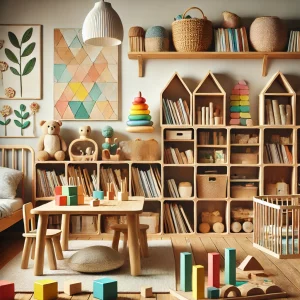
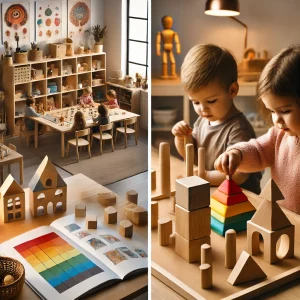
Imagine a teacher named Sarah who has just embarked on her first year teaching at a Montessori school. Inspired after learning about the Montessori pedagogy, she decides to reorganize her classroom. Sarah replaces traditional desks with child-sized tables and cushions, creating a comfortable, inviting atmosphere. She also designates different areas of the room for practical life activities, sensory exploration, and cultural studies. For example, children can choose to work on personal projects, care for classroom plants, or engage in group discussions. This structure allows them to take charge of their learning and work cooperatively.
Creating an Independent Space at Home
Parents can similarly adapt their home environments to reflect Montessori principles. Consider a couple, John and Emily, who are eager to promote their three-year-old’s independence. They decide to redesign their child’s room by creating an accessible play area. They lower shelves to the child’s height and organize toys in clear bins labeled with pictures and words. This allows their child to choose their activities, fostering decision-making skills and a sense of ownership over their space. By providing a child-centric environment, they encourage their child to engage in meaningful play and exploration.
The Benefits of Montessori Education
Montessori education offers numerous benefits. One significant advantage is the development of critical thinking and problem-solving skills. Children are encouraged to ask questions and find solutions independently. Additionally, this method nurtures emotional intelligence. In Montessori classrooms and homes, children learn to respect themselves, their peers, and their environment.
Fostering a Love of Learning
The Montessori approach plants the seeds for lifelong learning. By allowing children the freedom to follow their interests, they engage in deep and meaningful learning experiences. For instance, a child fascinated by insects might spend time observing caterpillars, learning about their lifecycle, and creating a project to report their findings. This self-directed exploration encourages a love of learning that extends far beyond the traditional classroom experience.
Finding Montessori Resources
Many parents and educators seek guidance as they navigate the world of Montessori education. The Montessori Maria website offers a variety of resources that can assist in this journey. Our AI assistant, MarÍA, is an innovative tool designed to provide personalized information and assistance when you visit the Montessori Maria website. Whether you are looking for local Montessori schools or need advice on incorporating Montessori principles at home, MarÍA is available to help!
Recent Articles for Further Reading
To deepen your understanding of the Montessori approach and how it can benefit your family’s learning environment, we encourage you to explore some recent articles. Topics include Understanding Montessori, insights into Montessori education practices, and guides on the impact of the Montessori philosophy. These resources will equip you with the knowledge and strategies essential for supporting your child’s education.
Conclusion
Whether you are a parent or educator, embracing the Montessori philosophy can transform how children learn and interact with their world. By prioritizing their independence and fostering an environment of mutual respect, we can help them reach their full potential. If you’re searching for “Montessori near me,” take advantage of the resources available on the Montessori Maria website to guide you in incorporating these transformative principles into your child’s learning journey.