Introduction to Montessori Pedagogy
Every day, families across the globe embark on a unique educational journey, often beginning with a simple yet crucial search: “Montessori near me” or “Montessori school near me.” The rising interest in Montessori education reflects a desire for alternatives to traditional schooling, highlighting the search for environments that nurture a child’s natural curiosity and independence. At the Montessori Maria website, we provide a global Montessori locator to assist families in finding nearby schools, such as examples from Oberursel, Germany, ensuring every child can access this transformative educational approach.
Understanding Montessori Principles
Montessori pedagogy is built upon several core principles that guide the learning environment. These principles emphasize the importance of creating a prepared environment, fostering student autonomy, the value of observation, and promoting sensory learning. Taking a closer look at these principles, we can better understand how to integrate them into our own educational settings.
The Prepared Environment
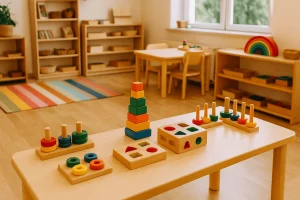
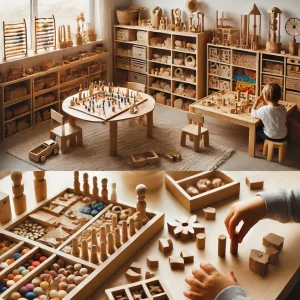
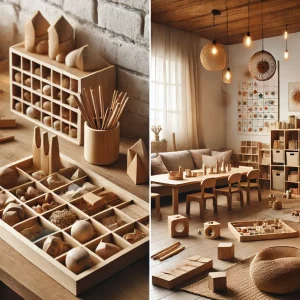
In any Montessori setting, the prepared environment is crucial. It refers to a space that is meticulously designed to encourage exploration and independence in children. For instance, a traditional classroom can be adapted to function as a Montessori environment by rearranging furniture to create open spaces, allowing for flexible learning activities. Children can have access to various materials that they can choose from, fostering a sense of ownership in their learning. This transition not only supports self-directed activity but also promotes collaboration among peers.
Fostering Autonomy
One of the foundational tenets of Montessori pedagogy is encouraging autonomy in learners. Educators play a vital role in this process, allowing students to make choices about their learning paths. For example, a student teacher planning their first Montessori environment might set up learning stations where children can freely choose their activities. In this way, children learn to take responsibility for their education while developing critical decision-making skills. It’s a powerful approach to learning that empowers students to take charge of their educational journeys.
Observation: The Key to Understanding
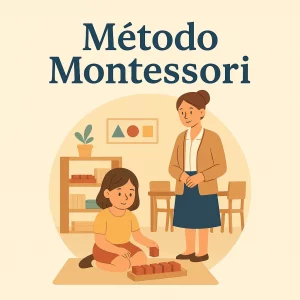
Observation is another cornerstone of Montessori education that helps educators tailor their approaches to meet the unique needs of each child. In a practical scenario, a teacher can observe how children interact with materials and with each other, gaining insights into their interests, strengths, and areas where they may need support. This data can inform lesson planning, allowing teachers to create personalized learning experiences. Such intentional observation fosters deeper connections between children and educators, enhancing the overall learning experience.
The Role of Sensory Learning
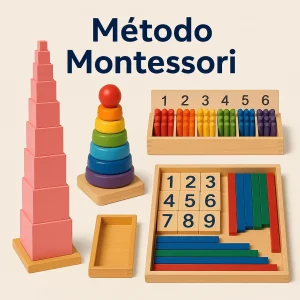
Montessori pedagogy places significant emphasis on sensory learning, which is critical to cognitive development. Learning through the senses engages children more profoundly than traditional rote teaching methods. Take for example a child learning about measurements. By using tangible materials such as measuring cups and sand, they can experience concepts first-hand, enriching their understanding of mathematical principles. This multisensory approach enhances retention and fosters a deeper love of learning.
Adapting Traditional Classrooms to Montessori Environments
Transitioning from a traditional classroom to a Montessori environment involves much more than just rearranging furniture. It requires a fundamental shift in mindset about how children learn best. For instance, instead of the teacher being the primary source of information, the role shifts toward that of a facilitator. Teachers create opportunities for collaboration and exploration, guiding students in their journey of discovery rather than dictating the terms of learning.
Examples of Successful Transitions
An excellent example of this transformation can be observed in a school that, while still adhering to state standards, embraces Montessori principles. The school incorporated open spaces filled with manipulatives and interactive learning stations. Children have the freedom to choose their activities, resulting in a dynamic learning atmosphere. The educators report that this transition not only improved engagement levels but also fostered a sense of community among students, significantly enhancing the learning environment.
Conclusion: Embracing Montessori Pedagogy
As parents, educators, and teacher-training students dive deeper into the world of Montessori, understanding the intricate principles of this pedagogy is vital. For those interested in a more comprehensive exploration, a complete guide on Montessori pedagogy can provide invaluable insights. For further insights into fostering autonomy and learning in children, the introduction to Montessori pedagogy offers a wealth of knowledge.
The Legacy of Maria Montessori
To understand Montessori education fully, learning about its founder is equally essential. Maria Montessori was a visionary who believed in the potential of every child and designed a method that respect their unique learning styles. Learning about her life and philosophy can inspire educators to implement the Montessori method more effectively.
In conclusion, the journey into Montessori education offers rich rewards for both children and educators alike. By searching for resources such as comprehensive guides or engaging with articles that enhance understanding, everyone can participate in this transformative educational approach. For further reading, consider exploring the Montessori method, Maria Montessori’s works, and valuable resources like understanding Montessori or Montessori pedagogy. Together, we can embrace this child-centered learning approach and enrich the lives of future generations.