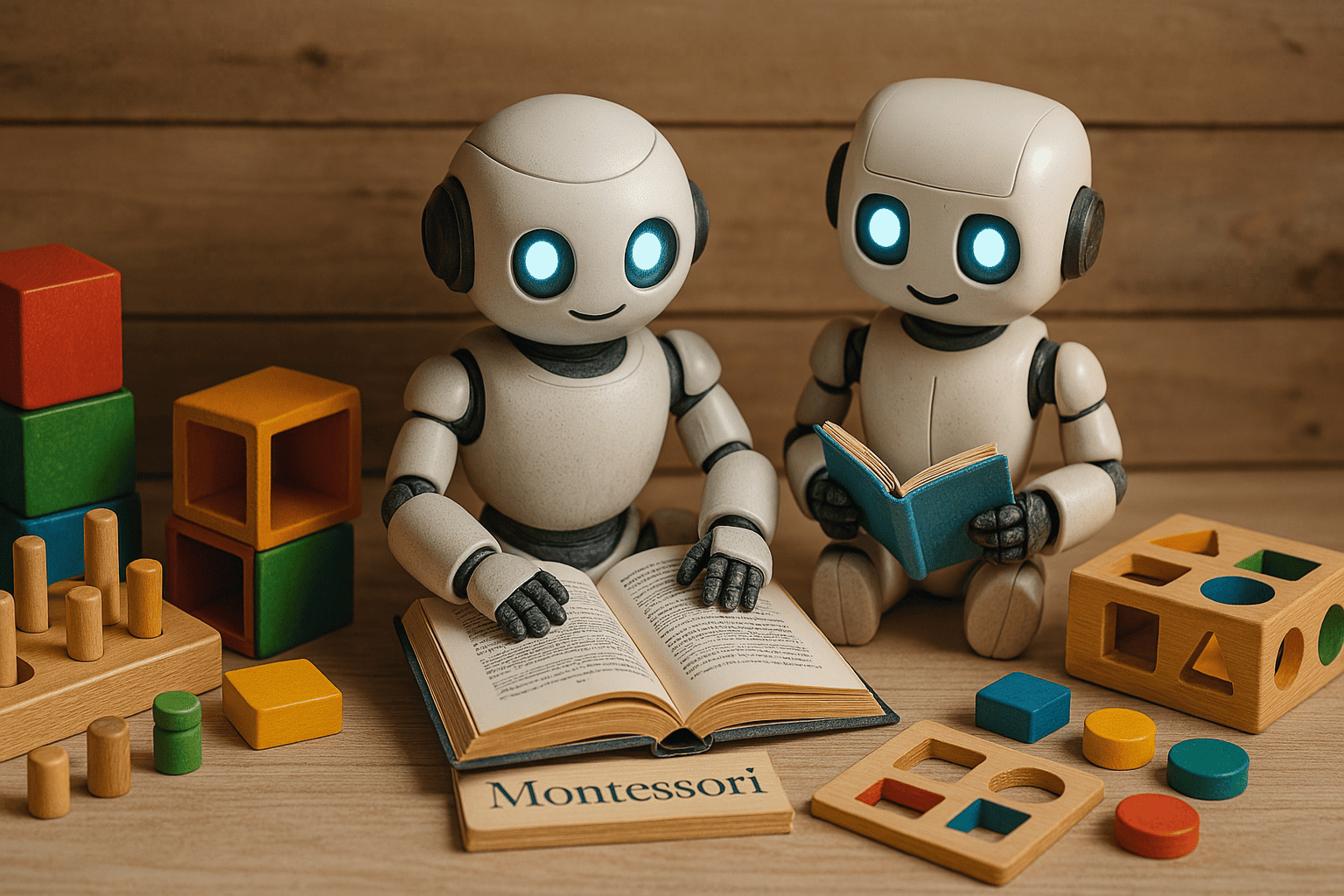
The Search for Montessori Education
Many families embarking on their educational journey start by searching for “Montessori near me” or “Montessori school near me.” These searches often serve as the first step toward discovering an educational philosophy that promotes independence, respect, and a love of learning in children. At the Montessori Maria website, we provide a global Montessori locator, making it easier for families to find schools or resources in their vicinity. For local examples, check out our listing for Oberursel, Germany.
Understanding Montessori Pedagogy
Montessori pedagogy, developed by Dr. María Montessori, is a child-centered educational approach based on the scientific observation of children. The core principles include a prepared environment, autonomy, observation, and sensory learning. Let’s explore each of these principles and see how they can transform traditional classroom settings and teacher-training programs.
Prepared Environment
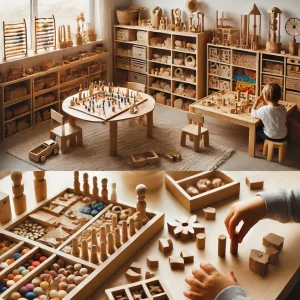
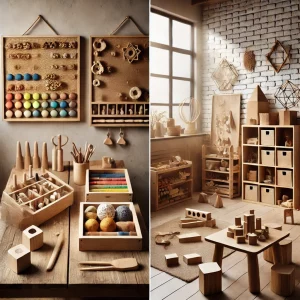
A prepared environment is a cornerstone of Montessori pedagogy. This principle emphasizes the importance of creating an inviting, well-organized space that encourages exploration and learning. In a traditional classroom being adapted for Montessori use, the focus should shift from standard desks to individualized learning stations. For example, rather than rows of desks facing a teacher, arrange tables to allow for collaborative projects and individual activities. Introduce materials that are accessible and engaging. You can learn more about how to set up these environments in our guía completa sobre la pedagogía Montessori.
Autonomy
Autonomy in the Montessori method empowers children to make choices in their learning. It fosters independence and self-directedness. For instance, in a teacher-training scenario, a student teacher can plan a lesson that allows children to select their tasks from a variety of options. This not only engages students but also develops their decision-making skills. The principle of autonomy is beautifully articulated in our introducción a la pedagogía Montessori.
Observation
Observation is crucial in Montessori education. Teachers observe rather than direct, allowing them to understand individual learning styles and paces. In adapting a typical classroom, teachers can implement structured observation periods where they note children’s interactions with the materials and each other. This data can guide their future lesson plans and individualized instruction, ensuring every child’s needs are met.
Sensory Learning
Sensory learning involves engaging the senses to help children absorb information more effectively. A practical example could be integrating sensory activities into a science lesson about plants. Instead of just reading about different types of soil, students can touch, smell, and even taste various samples. This experiential learning cultivates a deeper understanding and appreciation for the subject matter.
Implementing Montessori Principles in Traditional Settings
Transitioning from a traditional classroom to a Montessori-inspired environment is a transformative process for educators and students alike. The first step for teachers is to embrace the Montessori philosophy and understand its roots. You can familiarize yourself with Dr. María Montessori’s contributions by reading about María Montessori.
Creating a Montessori-Inspired Environment
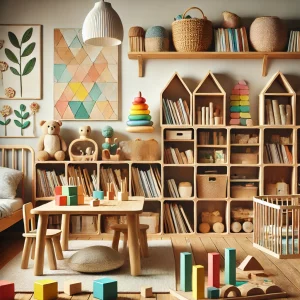
A student teacher planning their first Montessori environment should begin by decluttering their space. The goal is to ensure every item in the classroom serves a purpose and supports the children’s learning. Organize materials in low, accessible shelves where children can independently choose activities that interest them. For the art corner, provide various materials that children can use freely rather than structured projects. This setup promotes creativity and self-exploration.
Ongoing Training and Support
For teachers looking to integrate Montessori principles effectively, staying informed through ongoing training is vital. Participate in workshops, collaborative planning sessions, and peer observations to continue growing in your understanding of Montessori education. Resources such as Understanding the Montessori Method provide comprehensive overviews for those new to Montessori.
Resources for Further Learning
As you delve deeper into Montessori pedagogy, several resources can enhance your understanding. For parents and educators, the comprehensive guide Understanding Montessori Pedagogy is invaluable. This guide offers practical applications of Montessori principles and insights into structuring a classroom effectively.
Conclusion
Montessori pedagogy invites parents, educators, and students to rethink traditional approaches to education by focusing on the child’s needs. By starting with a simple search for “Montessori near me,” families can discover a world of possibilities that prioritize autonomy, observation, and sensory learning. Use the resources available at Montessori near me to find schools and support near you. Embrace the journey towards fostering independent and passionate learners today.
For more insights, check out our latest articles on Montessori education, including Understanding Maria Montessori, Understanding Montessori for Families, and Understanding Montessori Education.