Introduction to Montessori Education
In today’s fast-paced and information-rich world, parents and educators are continually searching for effective educational frameworks to support children’s development. Many parents find themselves typing phrases like “Montessori near me” or “Montessori school near me” into search engines, seeking guidance on how to introduce the Montessori method into their homes or find the right school environment for their children. Luckily, resources such as our website provide a Montessori locator tool to help families find local options and understand what a Montessori education entails, including a introduction to Montessori pedagogy.
Creating a Montessori Home Environment
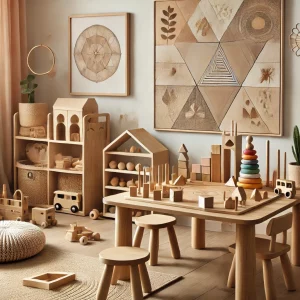
One of the first steps in embracing the Montessori philosophy is nurturing an environment at home that encourages independence and exploration. The home setting complements the values of Montessori education, focusing on self-discovery and hands-on learning.
Setting Up Montessori-Inspired Spaces
Take the kitchen, for example. Families can create a Montessori-inspired kitchen space by lowering shelves to child height. This allows children to access plates, utensils, and ingredients, fostering their ability to prepare meals while developing practical life skills. When a child can select and prepare a snack independently, their confidence grows, mirroring how teachers adapt classroom materials for independence (you can find more about these practices in our guía completa sobre la pedagogía Montessori).
Encouraging Self-Direction
Another aspect of a Montessori home involves providing opportunities for self-direction. Families can utilize visual schedules that list daily activities, allowing children to choose what they would like to engage in, whether it’s reading a book, doing a puzzle, or helping with laundry. Each independent decision fosters a sense of responsibility and belonging in the household.
The Montessori School Environment
The school environment is where the majority of Montessori education takes place. It emphasizes multi-age classrooms and individualized learning, allowing children to learn at their own pace while benefiting from peer interactions.
The Role of the Teacher
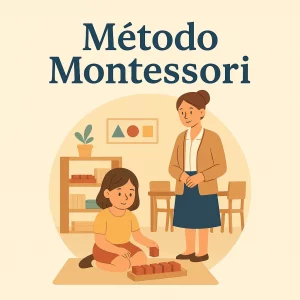
In a Montessori classroom, the teacher acts as a guide or facilitator rather than a lecturer. For instance, when observing a child struggling with a new math concept, a Montessori teacher might step in to offer a hands-on material designed to make the concept tangible. This method is rooted in the recognition that children learn best through doing, leading them to make connections that enhance their understanding.
Fostering Community
Multi-age classrooms are another hallmark of Montessori schools, creating a sense of community and mentorship among students. For example, older students might assist younger peers with tasks or projects, reinforcing their understanding while promoting empathy and social skills. This collaborative environment mirrors the familial support encouraged in a Montessori home.
Emotional Development in Montessori Education
Montessori education places great importance on emotional development alongside academic achievement. Cultivating emotional intelligence allows children to understand and manage their feelings effectively.
Self-Regulation through Practical Life Activities
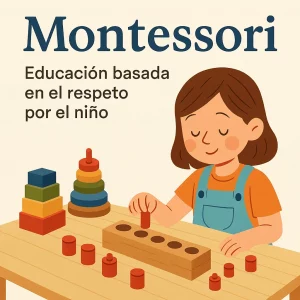
In the classroom, activities like pouring, sorting, and cleaning help children practice self-regulation. As they engage in these tasks, they learn to focus their energy constructively, which benefits their emotional health. For instance, a child who has had a challenging day can choose to engage in a calming activity like folding cloths to redirect their feelings positively.
Building Empathy and Responsibility
Montessori education encourages cooperation and teamwork, essential components of emotional development. Activities such as group projects or community service teach children about empathy and social responsibility. For example, children working together on a garden project not only learn about nature but also how to share responsibilities and communicate effectively.
The Importance of the Montessori Approach
As you delve deeper into the Montessori method, resources such as the Comprehensive Guide to Montessori Education and the Understanding Montessori Pedagogy can provide valuable insights. These tools empower parents and educators to adopt Montessori principles effectively within their respective environments.
Additionally, the Discovering María Montessori article offers a glimpse into the life of the pioneering educator, providing inspiration for modern adaptations of her methods.
Conclusion
Incorporating Montessori principles at home and in school settings can have profound effects on children’s independence, emotional development, and academic success. By bridging the gap between home and school, families and educators can create a cohesive and nurturing environment. For parents searching for local options, tools like our Montessori locator or the Montessori near me page can guide you to the right educational setting to help your child flourish. Explore these resources and consider how Montessori education can shape your child’s future.
For more articles and resources about Montessori education, visit Montessori Maria, where you can find a wealth of information and support tailored for parents and educators alike.