Understanding the Need for Montessori Education
In today’s fast-paced world, many families are searching for “Montessori near me” or “Montessori school near me” in hopes of finding the right educational guidance for their children. As parents and educators, it’s vital to understand the principles behind the Montessori method and how they can positively impact a child’s development. For those looking to explore Montessori options, our website provides a valuable Montessori locator alongside helpful guides that make the search easier.
A Brief Biography of María Montessori
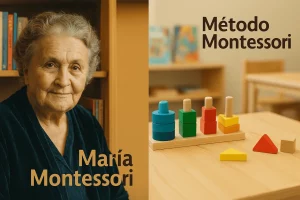
María Montessori was an Italian physician and educator born in 1870, known for developing the educational approach that bears her name. With a passion for child development and a commitment to harnessing children’s innate curiosity, Montessori opened her first school, Casa dei Bambini, in Rome in 1907. Her methods, focused on independence, hands-on learning, and respect for a child’s natural growth and development, laid the foundation for the Montessori educational approach used in schools worldwide today. To dive deeper into her enduring legacy, check out our article on María Montessori y su legado.
Real-World Applications of Montessori Principles
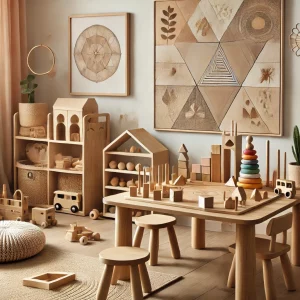
Implementing Montessori principles can radically change the learning environment for both educators and parents. For example, consider a teacher who reorganizes their classroom to foster independence and exploration. Instead of lined up desks and rigid structures, a Montessori classroom features various activity stations where children can choose what they want to learn about. This approach not only promotes autonomy but also encourages collaborative learning among students.
Creating an Independent Learning Space at Home
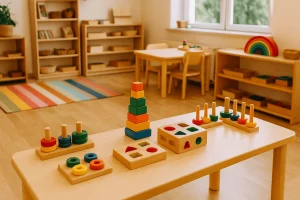
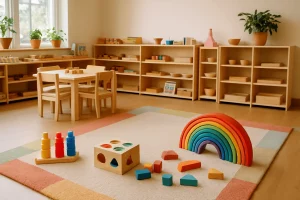
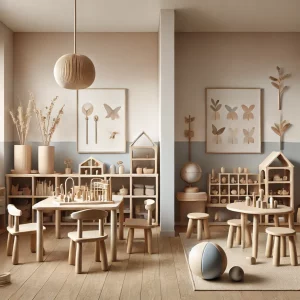
Parents can also apply Montessori principles at home. Imagine a room where shelves are accessible to children, filled with age-appropriate learning materials. Children can take ownership of their space, choosing activities based on their interests. It’s about designing an environment where children feel empowered and are encouraged to explore. To learn more about practical implementations, read our comprehensive guide on Montessori education for parents and educators.
The Educational Philosophy of Montessori
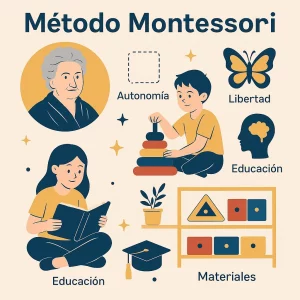
The Montessori method, often referred to as método Montessori, emphasizes that children learn best through play and hands-on experiences. This teaching structure encourages educators to act as guides rather than traditional authoritarian figures. Instead of filling students with information, the Montessori methodology nurtures curiosity and critical thinking, allowing children to discover and understand concepts independently.
Curriculum and Learning Materials
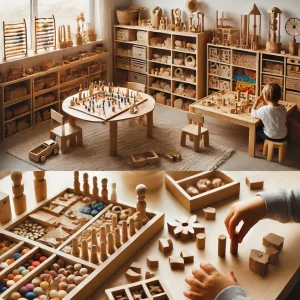
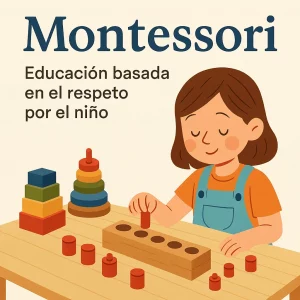
Montessori classrooms are rich with specialized materials designed to teach various concepts through tactile engagement. These hands-on materials help children learn fundamental skills such as counting, writing, and problem-solving in a way that feels natural and exciting. By allowing children to manipulate these materials at their own pace, learning becomes an integrated part of their everyday activities. For more insights on the intricacies of the Montessori teaching style, consider our guide on understanding the Montessori method.
Connecting with the Montessori Community
If you’re interested in finding a Montessori school in your area or connecting with like-minded families, be sure to visit our Montessori locator tool here. The Montessori community is thriving, and engaging with it can offer a wealth of resources and support for parents and educators alike.
The Role of Parents in Montessori Education
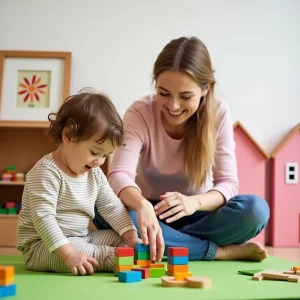
Parents play a crucial role in Montessori education by reinforcing the teaching methodology at home. This can include practicing daily lessons in a playful manner, encouraging children to help with household chores, or simply allowing them the space to play and explore. The more parents engage with their children in a meaningful way, the more they foster independent learning, which is at the heart of pedagogía Montessori.
Technology and Montessori: A Modern Approach
As technology continues to evolve, integrating it into Montessori classrooms presents both challenges and opportunities. The key is to keep the focus on hands-on, experiential learning. Digital tools can supplement traditional materials, but it is essential that they do not replace the fundamental principles of Montessori. Our AI assistant, MarÍA, is available on the Montessori Maria website to help guide parents and educators in utilizing technology effectively while staying true to Montessori principles.
Final Thoughts on Embracing Montessori Principles
The journey of understanding and applying the principles of María Montessori can transform both educational environments and parenting approaches. Whether you are a parent searching for the right learning environment or an educator looking to implement Montessori techniques in your school, resources are available at your fingertips. For further reading and exploration of the ongoing impact of María Montessori on education today, check out Discovering the impact of María Montessori. By embracing these methods, you can provide a nurturing space where children thrive and succeed in their educational journey.