Introduction to Montessori Pedagogy
Many families embark on their educational journey by searching for “Montessori near me” or “Montessori school near me”. This initial search reflects the growing interest in Montessori education, which emphasizes child-centered learning and respect for each child’s individual development pace. For those interested in finding a Montessori school, our website offers a global Montessori locator, helping families connect with schools nearby, like our specific example in Oberursel, Germany: Montessori Oberursel.
Pedagogical Principles of Montessori
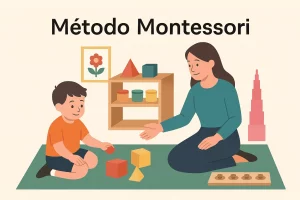
Montessori pedagogy is defined by several foundational principles that promote independence, curiosity, and a love for learning. Below we explore key principles such as the prepared environment, autonomy, observation, and sensory learning, providing real-life examples to illustrate their application.
Prepared Environment
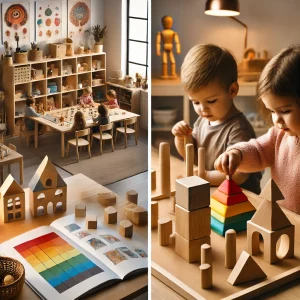
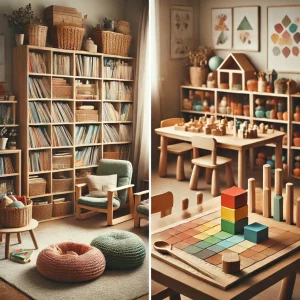
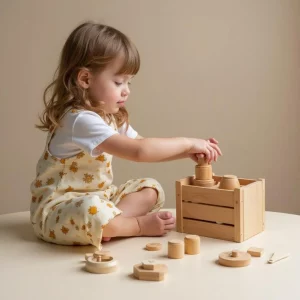
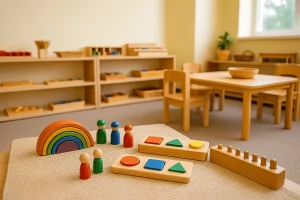
A prepared environment is vital in Montessori education. It includes materials and activities that are accessible to children, allowing them to explore and learn at their own pace. For instance, transforming a traditional classroom may involve rearranging furniture to create distinct learning areas and providing child-sized materials. This setup helps children navigate their learning space independently, much like the adaptable spaces described in this introduction to Montessori pedagogy.
Autonomy
Autonomy is a core aspect of Montessori education, encouraging children to make choices and decisions about their learning. For example, a student teacher planning their first Montessori environment might organize a variety of activities and materials, allowing children to choose which they want to engage with. Facilitating self-directed learning fosters a sense of responsibility and ownership over their education.
Observation
Observation is crucial in Montessori settings as it allows teachers to understand the needs, interests, and development levels of each child. By observing students interact with materials, educators can tailor lessons and activities to individual needs. A traditional educator transitioning into Montessori may develop observation skills through training, focusing on how to better support each child’s learning journey.
Sensory Learning
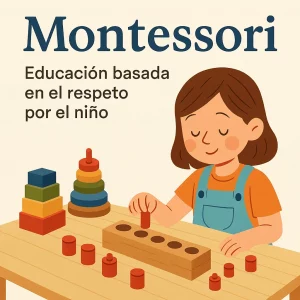
Sensory learning embraces the idea that children learn best through tangible experiences. In a Montessori classroom, materials are designed to engage the senses, enhancing cognitive understanding. For example, using tactile materials like sandpaper letters allows children to feel the shapes of letters as they learn to read. This multisensory approach can be integrated into a traditional classroom by introducing hands-on learning stations.
Implementing Montessori Principles
Educators and parents can positively impact children’s educational experiences by applying Montessori principles in various settings. Whether you are transforming a traditional classroom or setting up a new learning environment, understanding the core aspects of Montessori pedagogy is essential.
Engaging Families in Montessori Education
Families interested in bridging the gap between home and school can use resources from the Montessori Maria website to learn how to embrace Montessori principles at home. Tips include creating a prepared environment with accessible materials and encouraging independence through decision-making opportunities in daily routines.
Teacher-Training Programs
For future educators, enrolling in a teacher-training program focused on Montessori principles can provide a strong foundation for understanding this innovative approach to learning. Programs often highlight the significance of creating a prepared environment, fostering autonomy, and effective observation techniques. This commitment to ongoing education ensures that educators are equipped to nurture an engaging learning environment.
Further Reading
For those seeking a comprehensive understanding of Montessori philosophy, we recommend consulting resources such as our complete guide on Montessori pedagogy, alongside other insightful articles including:
- Montessori Education: A Comprehensive Guide for Parents and Educators
- Understanding the Montessori Method
- Maria Montessori: A Guide for Parents and Educators
- Understanding Montessori and Finding Schools Near You
- Understanding Montessori Pedagogy
Conclusion
For parents, educators, and teacher-training students, understanding Montessori pedagogy can transform educational practices and create a nurturing environment where children thrive. By exploring the principles of Montessori, engaging in ongoing education, and connecting with local resources through Montessori schools, families can create impactful learning experiences. The journey towards adopting Montessori principles can profoundly affect children’s lives, fostering their autonomy, creativity, and love for learning.