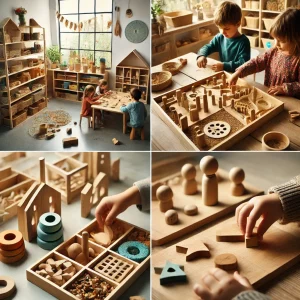
Understanding Montessori: A Path to Nurturing Independence
As parents, we often find ourselves searching online for educational options that align with our beliefs and values. Have you ever typed phrases like “Montessori near me” or “Montessori school near me” into a search engine? If so, you’re not alone. Many families seek out the advantages of the Montessori method to provide their children with a rich, engaging learning environment. But what exactly is Montessori, and how can it benefit your child? Our website offers a helpful resource for locating Montessori-inspired learning around the world, including local schools and programs that could be a perfect fit for your family. One example is our featured Montessori school in Terni, Umbria, which you can explore further here.
What is Montessori? A Brief Overview
The Montessori approach to education is rooted in the principles established by María Montessori, an Italian physician and educator, who believed that education should be tailored to the developmental stages of children. Montessori pedagogy emphasizes hands-on, self-directed learning, allowing children to explore their interests at their own pace. Through this method, children develop critical thinking skills, creativity, and a sense of independence, allowing them to become lifelong learners.
Real-Life Applications of Montessori Principles
Many families discover the benefits of Montessori in their everyday lives. One poignant example is a family that recently transitioned to the Montessori approach at home. They initially struggled with their child’s growing desire for independence, which often led to frustration for both the parents and their child. By applying Montessori principles, they created an environment where their child felt empowered to make choices, manage daily tasks, and engage in self-directed learning.
Creating a Montessori Environment at Home
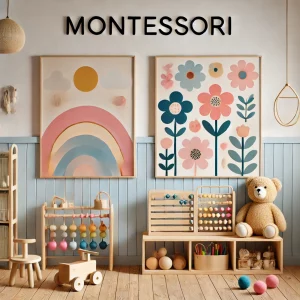
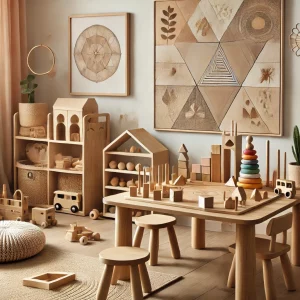
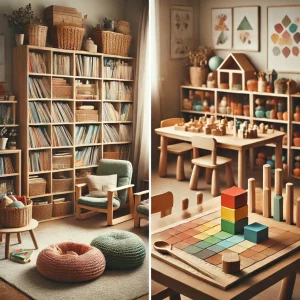
To embrace Montessori at home, consider adapting your space to foster independence. Start by creating accessible learning stations. For instance, place art supplies within reach and encourage your child to express their creativity freely. Set up a reading nook where they can choose their own books to explore. This approach aligns perfectly with the Montessori pedagogy and helps children feel a sense of ownership over their environment.
The Importance of Independence in Montessori Education
Independence is a central focus of the Montessori method. Children learn best when they have the freedom to explore and make choices, and this autonomy is vital for their development. In a traditional classroom setting, children often follow a rigid curriculum that may not meet their individual needs. In contrast, Montessori education allows children to pursue their interests, fostering a love of learning.
A Case Study: Embracing Independence
Take the example of a parent, Sarah, who noticed her four-year-old son, James, frequently struggled with transitions in daily routines. Rather than forcing compliance, she introduced Montessori principles at home. By allowing James to choose his clothes each morning and involve him in meal preparations, Sarah observed a remarkable change. James became more engaged, confident, and independent, illustrating the transformative power of the Montessori method.
Finding Montessori Schools Near You
Locating the right Montessori school for your child can be as simple as visiting the Montessori Maria website. Utilizing our Montessori near me directory, parents can quickly identify schools that embody the principles of Montessori education. Each listing provides vital information about the school’s programs, teaching philosophy, and how they serve the needs of children and their families.
Evaluating Montessori Programs
As you explore local options, take the time to visit schools and observe classrooms in action. Not all Montessori schools are created equally; it’s essential to ensure that the environment genuinely reflects Montessori values. Look for classrooms that encourage independence, have mixed-age groups, and foster collaboration among children. Engaging in conversations with teachers will also give you valuable insights into their understanding of the Montessori method.
The Role of Parents in Montessori Education
In a Montessori setting, parents play a crucial role as partners in their child’s education. Your involvement can significantly enhance your child’s learning experience. Engaging in open communication with teachers and participating in school events are excellent ways to stay informed about your child’s progress and the school’s approach.
Understanding Your Child’s Development
Equipped with insights on Montessori principles, you’ll gain a valuable framework for understanding your child’s space for growth. As children engage in activities they are passionate about, they will frequently display varying levels of enthusiasm and ability. Your role is to support them in these pursuits, helping them navigate challenges and celebrate successes, echoing the foundations of Montessori education.
Technology and Montessori: The AI Assistant MarÍA
In today’s digital age, technology can complement educational practices, and the Montessori Maria website offers an AI assistant named MarÍA. This tool provides personalized guidance concerning Montessori methodologies, ensuring that parents have access to information tailored to their specific needs. By visiting the Montessori Maria website, you can explore resources curated for parents, educators, and those interested in transforming their understanding of education.
Embracing Montessori for a Brighter Future
As families increasingly turn to alternative educational approaches, the Montessori method stands out for its emphasis on nurturing independence, promoting curiosity, and fostering a lifelong love of learning. By taking small steps to incorporate Montessori principles at home and actively seeking out quality programs, you can set your child on a path toward greater self-discovery and growth.
Conclusion
The journey into Montessori education can be both exciting and transformative for families. Whether you’re exploring options to implement Montessori principles at home or seeking a nearby school, the resources available can guide you along the way. Remember that education is not just about preparing for the future; it’s about helping your child thrive in the present and develop a lifelong passion for learning. For further insights, be sure to check out our additional articles such as Understanding Montessori Pedagogy and The Comprehensive Guide to Montessori Education. With the right support, your child can flourish in a Montessori environment both at school and at home.