Introduction
In today’s fast-paced world, many families find themselves searching online for relevant educational options. Among the popular queries are phrases like “Montessori near me” and “Montessori school near me.” If you’re one of these families, exploring Montessori education can be a transformative journey for both you and your child. Fortunately, our website offers a helpful search and guide section for locating Montessori-inspired learning around the world, enabling you to discover schools and resources to support your family.
What is Montessori?
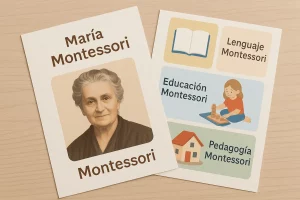
Montessori is more than just a method of education; it is a philosophy that encourages children to learn at their own pace in an environment designed to promote independence, curiosity, and a love for learning. Developed by Dr. María Montessori in the early 20th century, this approach has grown in popularity due to its efficacy in nurturing children’s innate desire to learn.
The Montessori Method Explained
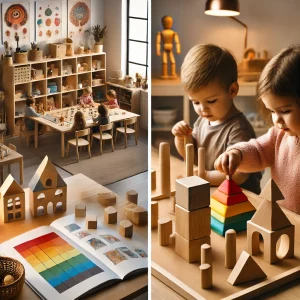
The método Montessori emphasizes self-directed activity, hands-on learning, and collaborative play. Unlike traditional education that often relies on standardized curriculums and teacher-centered instruction, Montessori classrooms allow children to choose their activities and work at their own pace. This freedom fosters a sense of ownership over their education and encourages them to develop critical thinking and problem-solving skills.
Real-Life Application of Montessori Principles
Let’s look at a real-life scenario that demonstrates how Montessori principles can positively impact a child’s development. Meet the Johnson family. When Sarah, their 4-year-old daughter, began exhibiting signs of frustration during playtime, her parents were worried. Sarah struggled with independence, often depending on them to organize her toys or initiate play. In their quest for solutions, they stumbled upon Montessori principles.
Finding Solutions through Montessori
Intrigued by the focus on nurturing independence in children, the Johnsons decided to implement some Montessori practices at home. They created a designated play area where Sarah could easily access her toys and materials. They allowed her to choose which activities she wanted to engage in, setting the stage for her to learn how to play independently. Over time, they observed significant improvements in her confidence and creativity.
The Johnsons’ experience is just one of many stories highlighting how Montessori can positively influence a child’s development. As you explore the methods and philosophies surrounding pedagogía Montessori, you may also find yourself inspired to adopt these practices within your own family structure.
How to Get Started with Montessori at Home
If you’re eager to incorporate Montessori concepts into your home, consider starting with the following approaches:
1. Create Learning Spaces
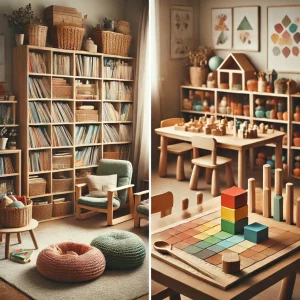
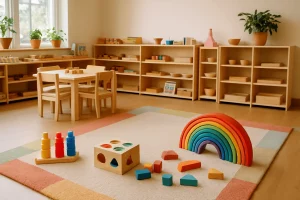
Designate specific areas in your home for learning and play. Ensure these spaces are organized and accessible for your child. Avoid clutter, and arrange learning materials in a way that is inviting and encourages exploration.
2. Foster Independence
Encourage your child to dress themselves, prepare simple meals, or clean up after play. Remember, independence doesn’t happen overnight, but with patience, you can guide your child toward it.
3. Follow Your Child’s Interests
Observe what excites your child. Is it art, science, or building? Use these interests to guide learning activities. By nurturing their natural curiosity, you’re allowing them to engage more deeply with the material.
4. Use Practical Life Skills
Incorporate practical life skills into your routines. Tasks such as cooking, gardening, or even household chores can be educational tools that promote hands-on learning and responsibility.
Finding Montessori Schools
Once you’ve tried out some Montessori principles at home, you may want to find a more structured environment for your child. Many parents turn to the internet with searches like “Montessori school near me.” To assist you in this journey, our website provides a dedicated section to locate Montessori schools around the world. This feature is designed to help parents identify schools that resonate with their educational philosophies and ideals.
Exploring Your Options
In Terni, Umbria, for example, one thriving Montessori school offers a curriculum tailored to the individual needs of each child. This school embraces the core principles of Montessori education, allowing children to thrive in an environment that promotes cooperation, exploration, and self-directed learning.
Support from Technology
In addition to the physical resources available to you, the Montessori Maria website features an AI assistant named MarÍA. This tool is specifically trained in Montessori methodology, providing parents with tailored advice and information. Whether you have a question about implementing Montessori principles at home or want to explore more about Montessori pedagogy, MarÍA is ready to help.
Conclusion
Embracing Montessori education can lead to remarkable changes in your child’s learning journey. From nurturing independence to creating an enjoyable and engaging environment, the principles of Montessori can benefit your family in numerous ways. If you’re ready to explore further, head over to the Montessori Maria website, where you can find resources, articles, and tools to support your adventure into Montessori learning.
Remember, education is a partnership between home and school. As you learn and grow alongside your child, applying Montessori principles both at home and in an educational setting can set the foundation for a lifetime of love for learning.