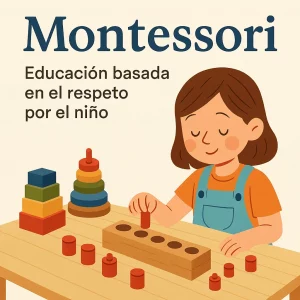
The Growing Need for Montessori Resources
In today’s fast-paced world, parents and educators are increasingly searching for effective educational approaches that foster independence and a love for learning. Common searches like “Montessori near me” and “Montessori school near me” reflect a global need for accessible Montessori resources. With its focus on child-centered learning, the Montessori method provides an alternative to traditional educational systems. Our website offers a Montessori locator tool, enabling you to find educational resources and institutions near you, as well as international examples of this transformative approach. For instance, a family in Oberursel, Germany, can explore local options at Montessori schools in Oberursel.
What is the Montessori Method?
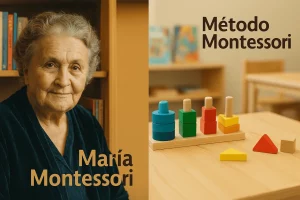
The Montessori method, developed by Maria Montessori, is an educational philosophy that emphasizes child-led learning and the importance of the environment in the learning process. This method is built on several fundamental principles that guide the educational practices in Montessori classrooms.
Key Principles of the Montessori Method
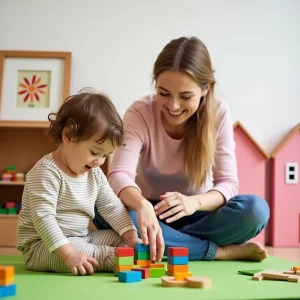
1. Child-Centered Learning: The Montessori method encourages children to take the lead in their education. Instead of a teacher-directed approach, students choose their activities based on their interests. This promotes autonomy, confidence, and a genuine passion for learning.
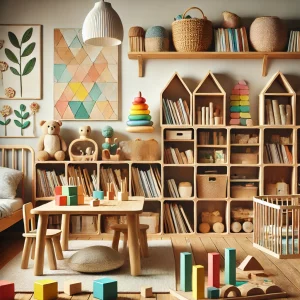
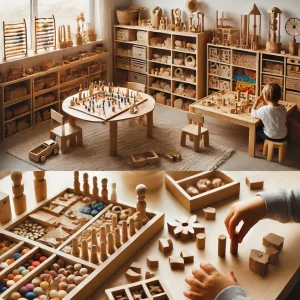
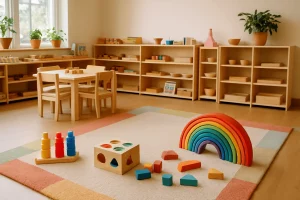
2. Prepared Environment: The classroom is meticulously designed to support self-directed learning. Montessori materials are developmentally appropriate and readily accessible, allowing students to engage with learning tools at their own pace.
3. Mixed-Age Classrooms: Montessori classrooms typically feature a range of ages, allowing younger children to learn from older peers and older children to reinforce their knowledge through teaching. This setup fosters collaboration, empathy, and social skills.
Real-Life Applications of the Montessori Method
To better understand how the Montessori method works, let’s look at two real-life situations: a morning routine at home and a typical day in a mixed-age classroom.
Montessori Autonomy at Home
Imagine it’s a typical morning in a household where the Montessori method is applied. The child begins their day by waking up at a time that feels natural for them, rather than being jolted awake by a parent. In the kitchen, the child prepares their breakfast independently, utilizing child-sized utensils and furniture, which empowers them to make choices. They might pour their own cereal, use a small pitcher to pour milk, or even prepare a simple fruit salad. This autonomy builds confidence and fosters a sense of responsibility.
Once breakfast is complete, the child cleans up, placing dishes in the dishwasher and wiping down the table. This routine not only develops practical life skills but also instills a sense of accomplishment and independence. By encouraging these tasks, parents can help their children develop a strong sense of self-reliance and responsibility, which are key aspects of the Montessori pedagogy.
Mixed-Age Classroom Scenario
In a Montessori school, classrooms often consist of mixed ages, typically spanning three years. For example, a classroom with children ages 3 to 6 fosters an enriching learning environment. Here, a 5-year-old might be working on a math activity while a 3-year-old is engaged with color sorting. The older child can demonstrate a math concept to the younger child, reinforcing their knowledge and helping the younger child learn through peer interaction.
This mixed-age setting encourages a sense of community and cooperation. Children learn important social skills such as sharing, patience, and empathy. The teacher, often referred to as the guide, observes and provides support only when necessary, allowing children to explore and learn at their own pace. This approach aligns perfectly with Montessori’s principles of fostering independence and collaboration.
The Importance of the Prepared Environment
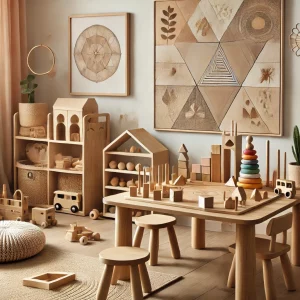
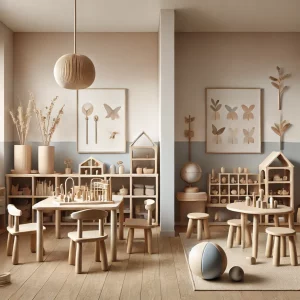
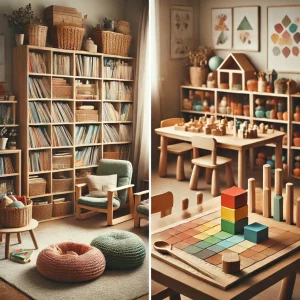
A key aspect of the Montessori method is the prepared environment, which must be carefully organized to invite learning opportunities. In both home and school settings, materials should be within the child’s reach and thoughtfully arranged to inspire curiosity and exploration. When children can access materials independently, they take ownership of their learning journey.
For educators and parents looking to create a Montessori-inspired environment, consider incorporating child-sized furniture, open shelves with learning materials organized by category, and inviting spaces for quiet reading or group activities. A well-prepared environment not only promotes autonomy but also reflects respect for the child’s abilities and choices.
The Role of the Educator
In the Montessori method, the role of the educator is quite different from traditional teaching approaches. Educators act as observers and guides, providing support to children based on their individual needs and interests. Rather than leading the class in a one-size-fits-all lesson, teachers facilitate learning by introducing materials and activities that match each child’s developmental stage and interests.
This approach encourages educators to be keen observers, identifying when a child is ready for a new challenge or requires additional support. This individualized attention promotes a deep understanding of each child’s learning style and paves the way for tailored educational experiences. Moreover, the Montessori educator embodies the principles of respect and patience, fostering a trusting relationship with each student.
Conclusion
The Montessori method offers a transformative approach to education that prioritizes child autonomy, collaboration, and a well-prepared environment. By understanding and implementing Montessori principles, parents and educators can cultivate an enriching learning experience for children, equipping them with skills that extend beyond the classroom.
For those seeking more resources and insights into the Montessori method and its applications, visit our Montessori Maria website. You can also interact with our Montessori AI assistant MarÍA, designed to help you navigate the world of Montessori education and find tailored resources for your family’s needs.
If you wish to work deeper into the understanding of Montessori, explore articles like Montessori education for curious parents, or understanding the Montessori method. These resources will enhance your journey into the world of Montessori education.