The Global Interest in Montessori Education
In recent years, searches like “Montessori near me” and “Montessori school near me” have surged, illuminating the growing desire among parents and educators for accessible Montessori resources. Whether you are a parent looking to enroll your child in a quality learning environment or an educator seeking to implement Montessori principles in your teaching, understanding the Montessori method is crucial. Our website not only offers a handy Montessori locator to find institutions nearby but also provides international examples showcasing how Montessori is applied across different cultures. For instance, you can check out the Montessori offerings in Oberursel, Germany, by clicking this link: Montessori in Oberursel.
What is the Montessori Method?
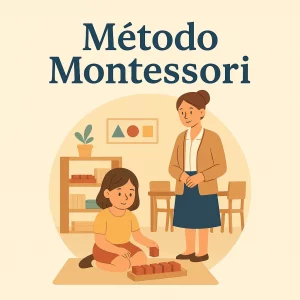
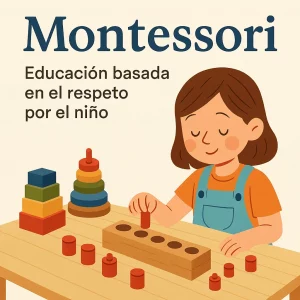
Developed by Dr. Maria Montessori, the Montessori method is an educational philosophy centered on child-led learning, where the environment is carefully prepared to foster independence and curiosity. Key principles of this approach include respect for the child, the idea that children learn best at their own pace, and the importance of hands-on, experiential learning. To delve deeper into the philosophy behind this educational approach, you can read todo lo que necesitas saber sobre el método Montessori.
Fundamental Principles of Montessori Education
At the heart of Montessori education are several fundamental principles, including:
Child-Centered Learning
The Montessori method emphasizes the importance of child-centered learning. Children are encouraged to make choices about their activities, fostering a sense of ownership in their education. This principle reflects the understanding that children are naturally curious and that learning is most effective when it is self-directed.
Prepared Environment
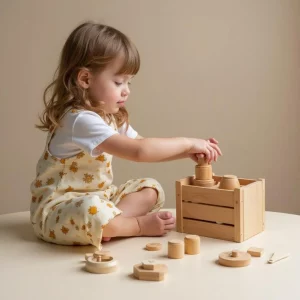
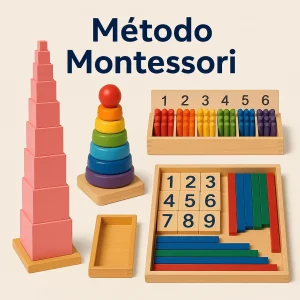
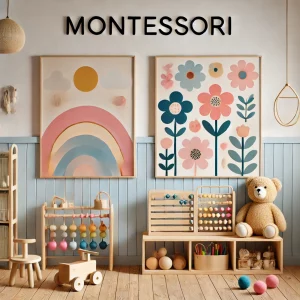
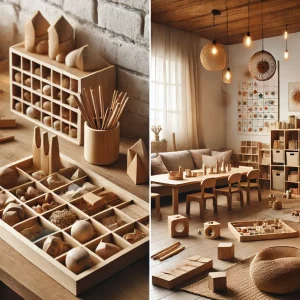
A prepared environment is crucial in Montessori settings. Classrooms are designed to be accessible to children, with materials that are educationally valuable. These materials are placed on low shelves, allowing children to choose activities that interest them, promoting autonomy and exploration.
Mixed-Age Classrooms
In contrast to traditional education systems that group children by age, Montessori classrooms often contain mixed-age groups. This setup allows younger children to learn from older peers while allowing older children to reinforce their knowledge by teaching concepts to younger classmates. This reflects the collaborative and supportive nature of learning in these environments.
Real-Life Applications of the Montessori Method
To better illustrate how the Montessori method operates in real-life scenarios, consider the following two situations:
A Morning Routine at Home
Imagine a typical morning in a family practicing Montessori principles. Instead of an adult dictating what their child should wear, the child has a visually organized wardrobe where they can choose their outfit for the day. Not only does this promote independence, but it also fosters decision-making skills. The child might prepare a simple breakfast, like pouring cereal or making toast, allowing them to practice practical life skills. Parents support this by offering choices and encouragement, rather than taking over the tasks.
A Mixed-Age Classroom Scenario
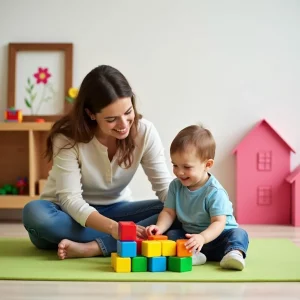
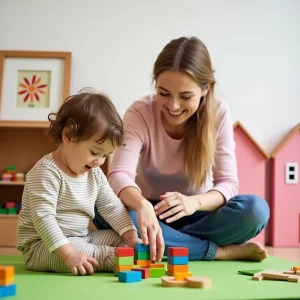
In a Montessori classroom, a group of children aged three to six learns together. A five-year-old may assist a three-year-old in pouring water from a pitcher to a cup, reinforcing both children’s learning experiences. The older child enhances their own knowledge through teaching, while the younger child learns new skills in a supportive environment. This dynamic encourages collaboration, respect, and community within the classroom.
The Benefits of the Montessori Method
Research has shown that Montessori education promotes higher academic achievement, emotional intelligence, and social skills. Children who experience this approach often demonstrate greater self-discipline, creativity, and love for learning compared to their peers in traditional settings.
Emphasis on Social-Emotional Development
Montessori classrooms focus not just on academics but also on emotional and social growth. As children interact within mixed-age groups, they develop empathy, respect, and teamwork skills—lessons that are pivotal in today’s collaborative world. The pedagogía Montessori prioritizes these traits, preparing children to navigate interpersonal relationships effectively.
Finding Montessori Resources Near You
As a parent or educator, it is essential to connect with resources that align with the Montessori philosophy. Our website provides an easy way to find Montessori options nearby. With the ever-growing interest in this method, it is also important to choose materials and activities that reflect Montessori principles, and we offer guidance for that through our extensive resources.
Support for Parents and Educators
For those seeking further information on the Montessori approach and its application in education, our Montessori Maria website and its AI assistant MarÍA offer valuable support. Whether you are looking for articles, tools, or community connections, our resources are designed to help you navigate the Montessori world effectively.
Conclusion
Understanding the Montessori method is crucial for parents and educators striving to provide the best learning environment for children. By prioritizing independence, preparing engaging environments, and fostering collaboration, this approach offers a transformative experience for both children and adults. Embracing Montessori principles can lead to a holistic educational experience that nurtures a love of learning and personal growth.
To stay updated on Montessori developments, explore our latest articles such as Discovering Maria Montessori: A Guide for Parents and Educators, and Understanding Montessori: A Guide for Parents Seeking Educational Alternatives.
Explore more on our website and join the vibrant community of Montessori advocates striving for accessible and comprehensive education worldwide!