Introduction to Montessori Pedagogy
Many families embark on their educational journey by searching for “Montessori near me” or “Montessori school near me.” This quest often leads parents to discover the unique principles of Montessori pedagogy, an innovative approach designed to foster independence and a love of learning in children. At the Montessori Maria website, we provide a global Montessori locator to help you find schools that implement this enriching educational methodology. For localized examples, check out our Oberursel, Germany Montessori locator(https://montessorimaria.com/en/montessori-near-me-oberursel-germany/).
The Prepared Environment
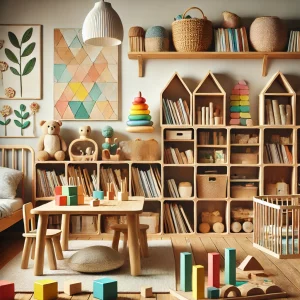
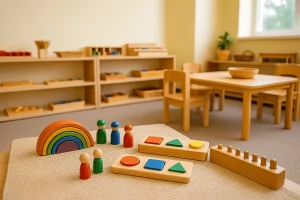
One of the key principles of Montessori pedagogy is the prepared environment. This involves creating a space that is conducive to learning, where materials are accessible, engaging and tailored to the developmental stages of children. For instance, if you are adapting a traditional classroom, consider reorganizing the furniture in a way that allows for independent exploration. Instead of traditional rows of desks, you might arrange clusters of tables where children can work collaboratively, or set up a quiet reading nook to invite solitary study.
Practical Implementation
If a student teacher is planning their first Montessori environment, they might start by ensuring that materials are within reach of the children. For example, instead of placing books on high shelves, opt for low bookcases that allow children to select their reading materials freely. This not only fosters autonomy but also encourages sensory engagement as children choose books based on their interests and curiosity.
Autonomy in Learning
Autonomy is a cornerstone of Montessori pedagogy. Children are encouraged to make choices about their learning activities, giving them a sense of control over their education. This principle can be evident in the classroom by implementing a “work cycle” where students can choose from a variety of activities. A teacher might set up different stations, such as art, science experiments, and math games, and allow children to rotate through them based on their interests.
Creating a Choice-Based Environment
In a traditional school, implementing the autonomy principle could be as simple as introducing “choice boards.” Here, students can select which subjects they would like to work on during a specific time frame. This method helps students develop decision-making skills while also promoting ownership of their learning journey.
The Role of Observation
Observation is another fundamental principle of Montessori pedagogy. It allows educators to assess the interests and needs of individual students without interrupting their learning flow. By quietly observing children as they engage with materials, teachers can tailor instruction to better fit each child’s learning style. For example, if a teacher notices a child is particularly fascinated by nature, they might introduce a science project that explores local ecosystems.
Observation in Practice
In a student teacher’s experience, utilizing a systematic observation approach in a traditional classroom can lead to substantial benefits. They could maintain a journal documenting individual children’s progress and preferences. This documentation can illuminate patterns and allow for more personalized instructional strategies down the line.
Sensory Learning
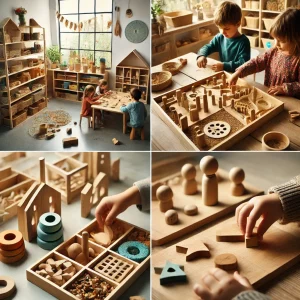
Sensory learning is integral to the Montessori approach, as it engages children through hands-on experiences. Montessori materials are designed to stimulate the senses and help children make concrete connections to abstract concepts. For example, using materials like texture boards allows children to identify and describe different surfaces, enhancing their descriptive language skills through sensory experience.
Adapting Sensory Learning in Traditional Classrooms
In a traditional classroom setting, incorporating sensory learning might involve simple adaptations like using different types of fabric for tactile activities or creating auditory stations where students can listen to various sounds and associate them with objects or environments.
Emphasizing Community and Collaboration
Another important aspect of Montessori pedagogy is the emphasis on community and collaboration among students. Multi-age classrooms are common in Montessori settings because they create opportunities for peer learning and mentorship. Younger students benefit from observing and interacting with older peers, while older students reinforce their knowledge by teaching younger ones.
Building a Collaborative Environment
Teachers in traditional settings can foster this collaborative spirit by arranging cooperative learning groups, encouraging students to work together on projects that require teamwork and shared responsibility. This builds community and social skills that students will carry with them throughout their lives.
The Role of the Educator
In Montessori classrooms, the educator acts more as a guide or facilitator rather than the traditional “sage on the stage.” This shift changes how teachers interact with their students, fostering a supportive atmosphere where curiosity can flourish. Educators are trained to recognize when to step back and allow children to explore on their own.
Becoming a Facilitator
For a student teacher new to the Montessori environment, focusing on becoming a facilitator means observing the children rather than directing them constantly. They could encourage students to ask questions, seek answers, and engage in problem-solving rather than simply delivering lectures.
Conclusion
If you and your child are curious about Montessori education, it’s worthwhile to explore resources available on the Montessori Maria website. Our extensive resources, including a complete guide on Montessori pedagogy(https://montessorimaria.com/guia-completa-sobre-la-pedagogia-montessori-un-enfoque-transformador-para-la-educacion/) and insights on understanding the Montessori method, can help you navigate this transformative educational approach. The journey toward learning about Montessori pedagogy is truly enriching for both children and adults alike. Together, we can build an educational landscape that values and nurtures every child’s unique potential through Maria Montessori’s revolutionary methods.