Introduction to Montessori Education
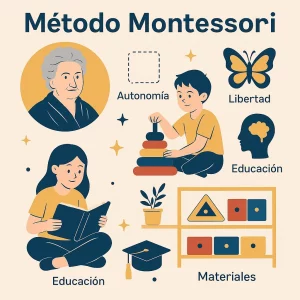
Parents and educators around the globe are on a quest to find the best educational options for their children. Many begin their search by typing phrases such as “Montessori near me” or “Montessori school near me” into their search engines. This is where the Montessori Maria platform comes into play, offering valuable resources and a Montessori locator tool to help you find quality Montessori education options in your area, including examples like Montessori schools in Terni, Umbria. Through understanding the principles of Montessori education, parents and educators can create a nurturing environment that fosters autonomous learning and emotional growth.
Creating a Montessori-Inspired Home Environment
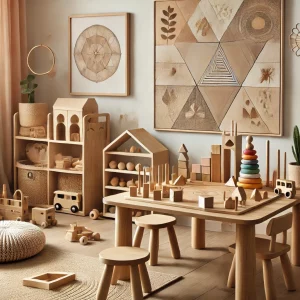
Implementing Montessori education at home begins with creating an environment that encourages independence, exploration, and learning. Parents can refer to our comprehensive guide on Montessori pedagogy for insights and practical tips.
Setting Up Montessori Spaces
One effective way to begin is by designing a Montessori-inspired kitchen space. Consider a child-sized table where children can prepare simple meals or snacks independently. Parents can provide accessible, healthy ingredients in low cabinets so children can reach them without assistance. This approach mirrors the Montessori method(https://montessorimaria.com/en/understanding-the-montessori-method-a-comprehensive-guide-for-parents-and-educators-20/) where practical life skills are emphasized. Children involved in meal preparation not only learn valuable life skills but also develop a sense of accomplishment and connection to their daily routines.
Montessori Materials
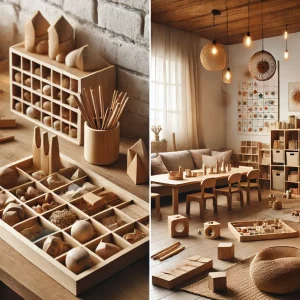
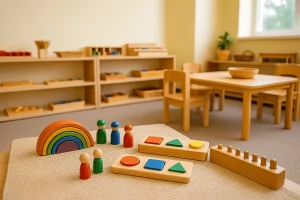
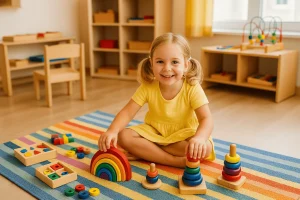
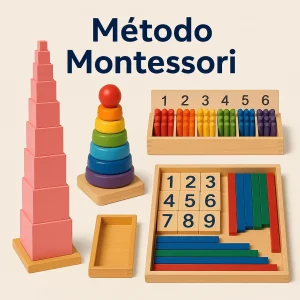
In a Montessori home, placing materials within the child’s reach encourages self-directed learning. For instance, setting up a shelf with various manipulatives, books, and art supplies allows children to choose their own activities. A parent might notice how their child gravitates towards a specific puzzle or art project, offering insights into their interests and developmental needs. Parents can explore more about this approach in our Montessori education for parents and educators.
The Montessori School Environment
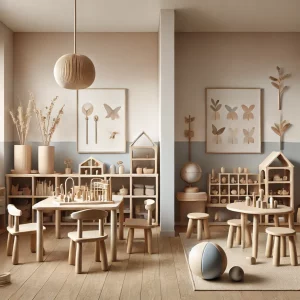
A Montessori school is uniquely designed to cater to the holistic development of a child. This environment promotes independence, respect, and a love for learning. The role of a Montessori teacher is crucial here, as they act as guides rather than traditional instructors, encouraging children to take ownership of their education.
Adaptation of Physical Spaces
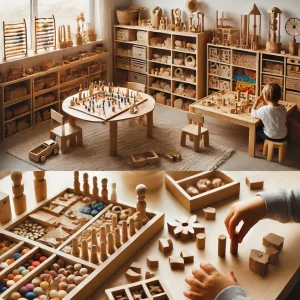
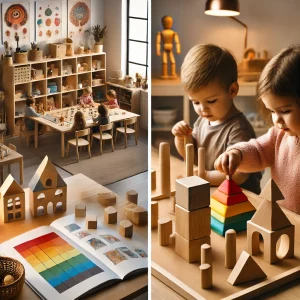
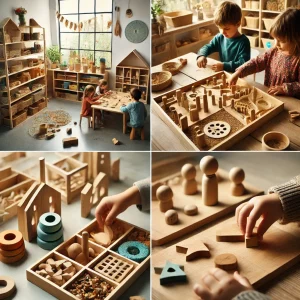
For example, a teacher might adapt classroom shelves to promote independence. Each shelf is arranged meticulously so that children can select materials according to their interests and developmental levels. When a child independently chooses to engage in a hands-on activity, they are practicing decision-making, problem-solving, and self-regulation. Such interactions are vital, as they set the foundation for lifelong learning.
Social Interactions and Collaborative Learning
In a Montessori classroom, children of various ages learn together, facilitating peer collaboration. Older children often take on mentorship roles, enhancing social learning. One can witness this dynamic when a 6-year-old helps a 3-year-old with a puzzle. This interaction fosters empathy and reinforces the community aspect of learning, as outlined in our guide to understanding Maria Montessori.
Emotional Development in Montessori Education
Emotional development is at the core of Montessori education. This approach encourages children to develop a strong sense of self and emotional intelligence, an essential part of their learning journey.
Fostering Emotional Intelligence
For instance, a child might struggle with sharing materials. A Montessori teacher would guide the child in recognizing their feelings and identifying coping strategies. This could involve discussing feelings openly or utilizing tools like emotion cards to help the child articulate their emotions. Such practices empower children to develop self-regulation and empathy, skills that will serve them throughout their lives.
The Role of Reflection
Reflection is a powerful tool in a Montessori environment. At the end of the day, teachers might encourage children to reflect on their accomplishments and challenges, reinforcing the concept of a growth mindset. By fostering this kind of introspection, educators help children learn to navigate their feelings and respond thoughtfully to their experiences, a process essential for emotional development.
Conclusion: Embracing Montessori Education
In conclusion, Montessori education offers a transformative approach to learning and development for children. Whether at home or in school, creating an environment that values independence, collaboration, and emotional intelligence can profoundly impact a child’s journey. We invite parents and educators to explore the wealth of resources available on our platform. From tools like the Montessori locator to insights from the introduction to Montessori pedagogy, you can find the support you need to implement these principles effectively.
Join the Montessori Maria community today and discover how the Montessori Maria platform and its AI assistant MarÍA can guide your educational journey. Together, let’s nurture a generation of independent and confident learners.