The Growing Interest in Montessori Education
In today’s fast-paced world, many families are seeking alternative educational systems to engage their children effectively. A common phrase that emerges in online searches is “Montessori near me” or “Montessori school near me.” Parents and educators alike are searching for information and guidance on the Montessori approach, which is rooted in child-led learning and independence. At our website, we provide a comprehensive Montessori locator and helpful guides to assist them in their searches.
Who Was Maria Montessori?
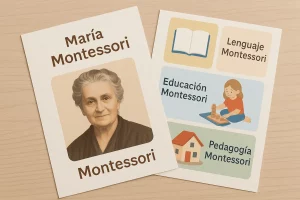
Maria Montessori, born on August 31, 1870, in Italy, was the first woman to graduate from the University of Rome with a degree in medicine. Her early experiences with children, particularly with those with disabilities, led her to develop her educational philosophy. Montessori believed that children learn best in a prepared environment that offers them the freedom to make choices, fostering independence and self-discipline. Her innovative teaching methods laid the groundwork for the Montessori method and have had a profound impact on education globally.
Practical Examples of Montessori Principles in Action
To illustrate the effectiveness of the Montessori method, let’s explore real-life examples where both teachers and parents have implemented these principles.
Reorganizing the Classroom
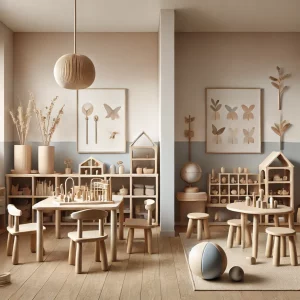
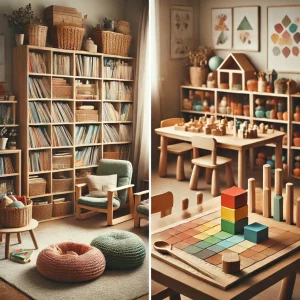
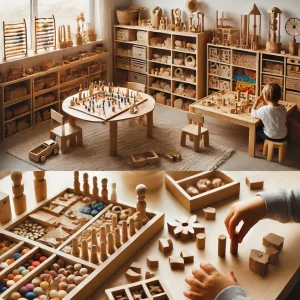
Consider a teacher in a traditional school setting who decides to reorganize their classroom based on the principles of Montessori. Instead of rows of desks facing the front, the teacher creates learning stations throughout the room. Each station is designed to encourage exploration and collaboration. For instance, a math station may include interactive materials that allow students to manipulate numbers, while a reading corner features a variety of books arranged by theme. This flexible learning environment fosters independence, allowing students to choose their activities and work at their own pace.
Preparing a Child’s Room for Independence
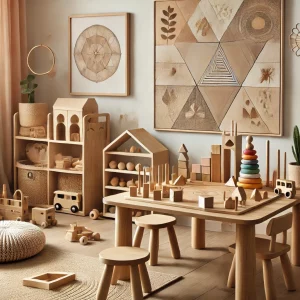
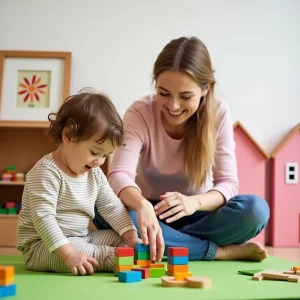
Similarly, parents can adapt their home environments to promote independence in their children. Imagine a parent who designs a child’s room with accessible shelves and furniture sized for little ones. Toys are organized in bins labeled with both pictures and words, enabling the child to find and return items independently. A child-sized table and chair encourage the child to engage in creative play, while a low hanging mirror supports self-dressing. Such adaptations resonate with the core philosophy of Maria Montessori y su legado, fostering confidence and a sense of responsibility in children.
Benefits of the Montessori Approach
One of the primary reasons parents and educators are drawn to Montessori education is the numerous benefits it offers. Children in Montessori programs tend to develop strong critical thinking skills and display greater self-motivation compared to their peers in traditional educational settings. The emphasis on mixed-age classrooms encourages peer learning, where older children mentor younger ones, reinforcing their own knowledge while supporting their classmates.
Autonomy and Environmental Responsibility
Furthermore, the Montessori method emphasizes self-directed learning, encouraging children to take ownership of their education. By allowing children to pursue their interests, Montessori nurtures engagement and enthusiasm for learning. Additionally, Montessori environments often incorporate elements of environmental education, teaching children about sustainability and responsibility for the planet. This aligns seamlessly with a growing trend in modern education that aims to cultivate responsible global citizens.
The Role of Educators in the Montessori Environment
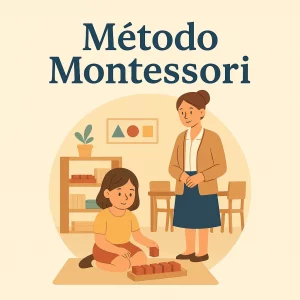
Educators in Montessori settings play a unique role compared to traditional teachers. Rather than being the sole source of knowledge, Montessori educators act as guides or facilitators, observing students and providing resources or support when necessary. This approach allows for a more personalized educational experience tailored to each child’s needs. Teachers are trained to recognize when students are ready to engage with certain materials or challenges, fostering a deep-rooted love of learning.
Finding Montessori Schools
Parents looking for Montessori options often search for “Montessori near me” to find local programs that align with these principles. Our Montessori locator is designed to assist families in their quest for quality education that adheres to Montessori philosophy. This resource helps parents connect with schools offering authentic Montessori education.
Exploring Further Resources
For those eager to learn more about Montessori education, the Understanding Montessori guide is an excellent entry point. It covers the fundamentals of Montessori pedagogy and how it differs from traditional education models. Furthermore, aspiring educators can benefit from our comprehensive resources addressing the Montessori pedagogy and teaching methods.
Conclusion
In conclusion, Maria Montessori’s educational philosophy has stood the test of time, continuing to inspire parents and educators around the globe. By embracing the Montessori approach, families can cultivate a love of learning and independence in their children, preparing them for lifelong success. Be sure to check out our resources on the Montessori Maria website for more guidance and information tailored to your needs. With our AI assistant MarÍA available, families can receive immediate support and direction as they navigate the world of Montessori education.
For more insights into the Montessori method, visit our latest articles: