The Growing Interest in Montessori Education
In recent years, more and more parents and educators have been searching for ways to enhance children’s learning experiences. Common online queries such as “Montessori near me” and “Montessori school near me” reflect a global desire for accessible Montessori resources. Recognizing this need, our Montessori locator can help families find schools and resources in their area. For instance, if you are in Oberursel, Germany, you can easily discover several options through this link.
What is the Montessori Method?
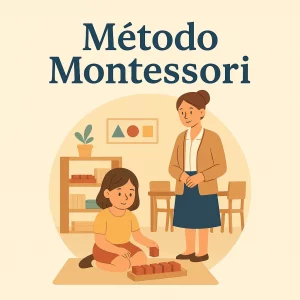
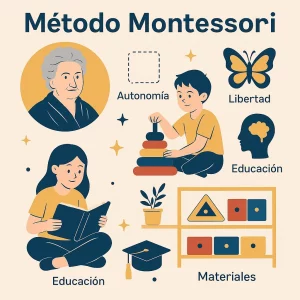
The Montessori method, developed by Dr. María Montessori, is an educational philosophy that focuses on the holistic development of the child. It emphasizes self-directed activity, hands-on learning, and collaborative play. The goal is to cultivate a love for learning while promoting independence, self-confidence, and respect for others. By understanding these principles, parents and educators can create learning environments that nurture children’s natural curiosity.
Fundamental Principles of the Montessori Method
The Montessori method is built on several core principles:
- Child-Centered Learning: Education is centered around the child’s interests and abilities, allowing them to explore and learn at their own pace.
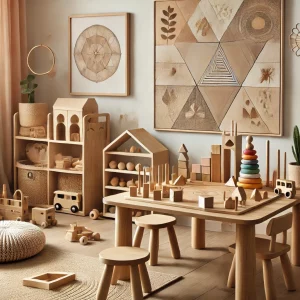
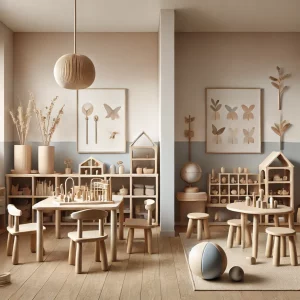
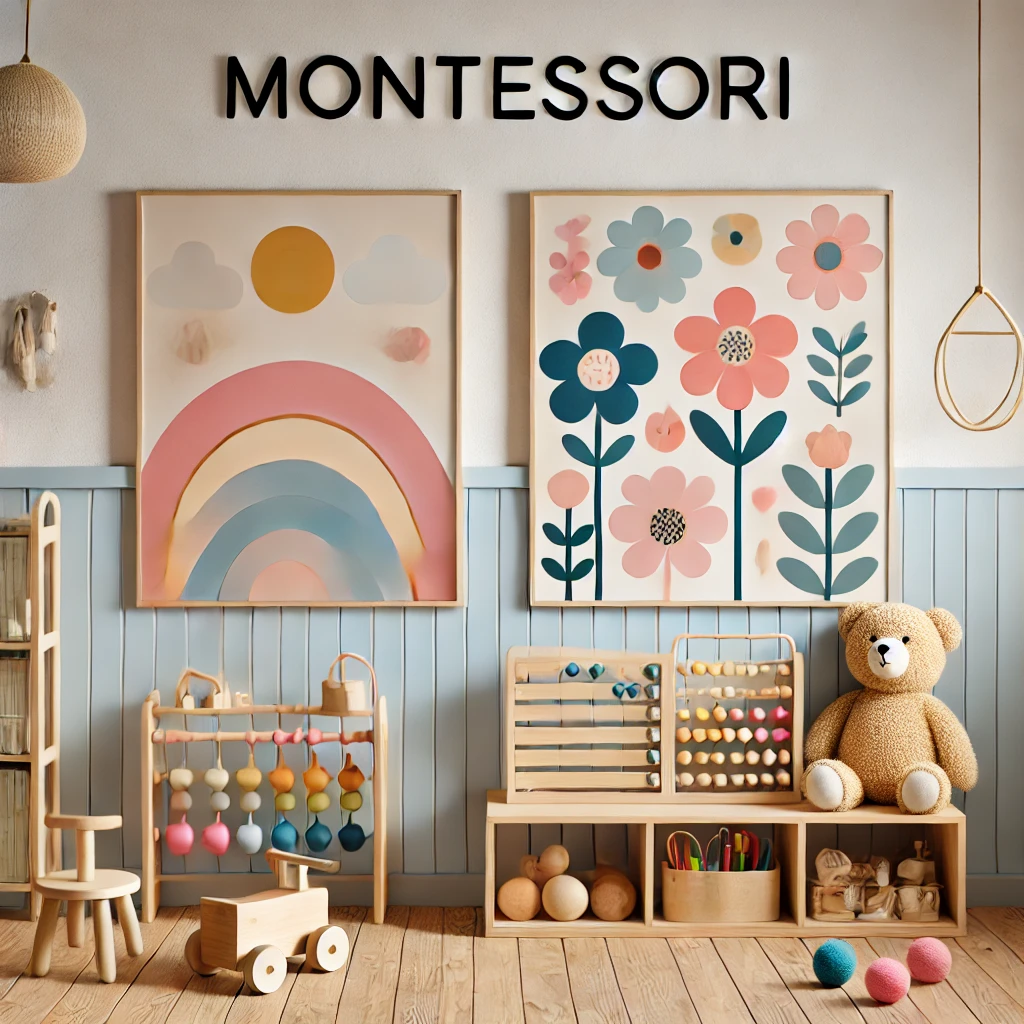
- Prepared Environment: Classrooms are designed to facilitate independent learning, with materials and activities that are easily accessible to children.
- Mixed-Age Classrooms: This approach fosters peer learning, where older children act as mentors to younger ones, promoting collaboration and social skills.
- Freedom of Choice: Children are encouraged to choose their own activities, enabling them to make decisions and develop a sense of responsibility.
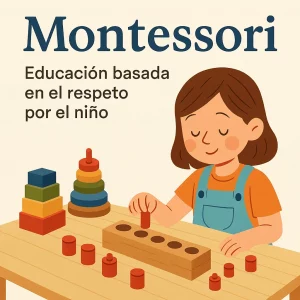
- Respect for the Child: The Montessori method respects the dignity and individuality of each child, recognizing that they are capable and resilient learners.
Real-Life Application of the Montessori Method
To illustrate how the Montessori method works in practice, let’s explore a morning routine at home and a mixed-age classroom scenario.
Montessori Morning Routine at Home
Imagine a typical morning in a Montessori household. Instead of relying on parents to get them ready for the day, children are given the freedom and responsibility to complete their morning routine. This begins with a visual schedule that outlines the steps they need to take, such as washing their face, brushing their teeth, and choosing their clothes. The clothes are placed within easy reach, encouraging autonomy. When children select their outfits, they learn to express their preferences and develop decision-making skills.
Parents can further support this process by providing time for each child to wake up and engage with the tasks at their own pace. This routine promotes independence and confidence, as children feel capable of managing their needs.
Mixed-Age Classroom Scenario in a Montessori School
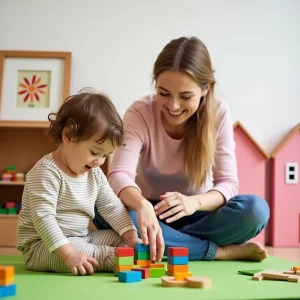
Now let’s envision a mixed-age classroom in a Montessori school. In this setting, you might see children aged 3 to 6 years working together on various projects. A 5-year-old might be helping his younger classmate understand how to work with building blocks, while a 3-year-old engrossed in painting finds a 6-year-old to share ideas with.
This collaborative learning environment encourages children to develop social skills, such as empathy and patience, while also reinforcing their own knowledge as they teach their peers. This system of shared learning reflects the fundamental principles of the Montessori method, where each child has the opportunity to contribute and grow.
How to Implement Montessori Principles at Home
Implementing the Montessori method at home doesn’t require a complete overhaul. Small changes can make a significant difference.
- Create a Prepared Environment: Designate spaces in your home where children can explore and learn independently, such as a reading nook or a craft station.
- Encourage Autonomy: Allow children to dress themselves, make simple meals, or choose activities. This fosters independence and boosts self-esteem.
- Provide Learning Materials: Invest in high-quality Montessori materials that engage children’s senses and encourage problem-solving.
- Practice Patience: Give children the time and space to explore without rushing them. This promotes concentration and self-regulation.
The Legacy of María Montessori
María Montessori’s pioneering approach has shaped education for over a century. Her commitment to understanding child development and promoting individualized learning has paved the way for modern educational practices worldwide. Families interested in exploring more about her life and contributions can visit this link: María Montessori.
Finding Montessori Resources and Schools
As demand for Montessori education grows, resources and schools are becoming increasingly accessible. Our Montessori locator provides an excellent way for parents and educators to find nearby Montessori schools and resources. Whether looking for a preschool or a primary school, there is likely a Montessori option in your community.
Additional Reading on Montessori Education
For those seeking to deepen their understanding of the Montessori method, check out our comprehensive articles:
- Understanding Montessori Education: A Complete Guide for Parents and Educators
- Exploring Montessori Pedagogy
- Understanding the Montessori Method
Conclusion
In conclusion, the Montessori method offers valuable principles and practices that can transform not only classrooms but also home learning environments. By emphasizing independence, respect, and collaboration, the Montessori method cultivates lifelong learners who are curious and engaged. For more insights, visit our Montessori Maria website and its AI assistant MarÍA to guide you through your Montessori journey.
For more information, check out todo lo que necesitas saber sobre el método Montessori and explore pedagogía Montessori for a transformative educational approach.