Introduction to Montessori Pedagogy
In recent years, many families have begun their educational journey by searching for “Montessori near me” or “Montessori school near me”. This first step in discovering the Montessori method often leads them to resources that can guide their understanding of this innovative educational approach. For those just starting out, our website provides a global Montessori locator to help you find local Montessori programs. For example, if you’re located in Oberursel, Germany, you can find specific resources at Montessori in Oberursel. This blog post will delve into the core principles of Montessori pedagogy, offering insights and practical applications for parents, educators, and those training to become teachers.
The Principles of Montessori Pedagogy
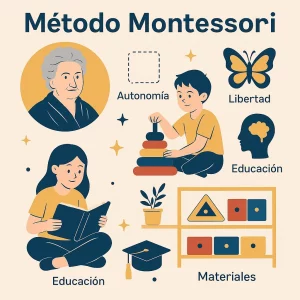
Montessori pedagogy is grounded in several key principles: prepared environment, autonomy, observation, and sensory learning, among others. Understanding these principles is crucial for anyone interested in implementing Montessori methods in their teaching or parenting practices.
Prepared Environment
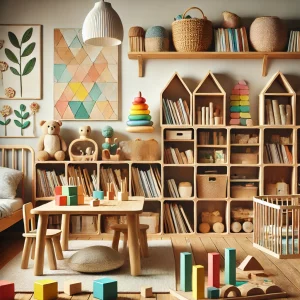
A prepared environment is a cornerstone of Montessori education. It refers to a thoughtfully designed space that encourages exploration and learning through self-directed activities. For instance, consider a traditional classroom where desks and chairs face the front. By adapting this classroom into a Montessori environment, a teacher could arrange learning stations that allow children to choose their activities based on their interests. A complete guide on Montessori pedagogy can provide further insights on how to create an engaging and developmentally appropriate environment.
Autonomy
Another fundamental principle is autonomy. Montessori education emphasizes the importance of allowing children to take charge of their learning. For a student teacher planning their first Montessori classroom, this could mean designing lessons that provide children with choices. Rather than dictating what students should learn, the teacher can facilitate opportunities for learners to explore topics that intrigue them, thus fostering independence and a love for learning.
Observation
Observation is vital in the Montessori classroom. By closely observing children, educators or parents can identify their interests and developmental needs. For example, in a mixed-age classroom, a teacher may notice that a younger student is struggling with fine motor skills while trying to complete a task that an older child excels at. This observation can lead to tailored support for both students, enhancing their individual learning journeys.
Sensory Learning
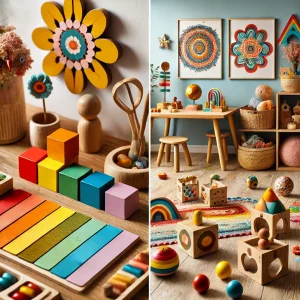
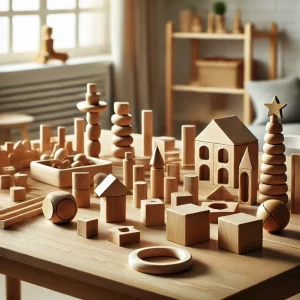
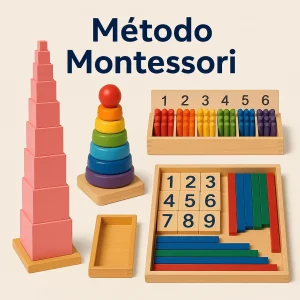
Montessori education places a strong emphasis on sensory learning, which involves engaging all five senses during the educational process. By incorporating hands-on materials that appeal to the senses, children gain a deeper understanding of concepts. A simple wooden block set, for example, engages touch and sight, helping students grasp mathematical concepts through physical manipulation of the materials.
Implementing Montessori Principles: Practical Examples
Now that we’ve discussed the principles of Montessori pedagogy, how can these be practically applied in various educational settings? Let’s explore a few scenarios.
Adapting a Traditional Classroom
Imagine a traditional classroom where students are instructed to remain seated and raise their hands to speak. This setup can stifle creativity and natural curiosity. By rearranging the classroom into smaller, collaborative groups with movable furniture, teachers can allow children more freedom to interact and engage with their peers. Resources from Understanding Montessori Education can provide additional strategies on how to create a nurturing Montessori-like environment.
Supporting Student Teachers
For student teachers preparing to implement Montessori methods, the focus should be on designing an environment that caters to the developmental stages of each child. A planning session might involve creating a map of the classroom layout, identifying materials that will promote independence and hands-on learning. Accessing resources such as Understanding the Montessori Method would offer essential insights for their preparations.
Continuous Learning in Montessori Education
Montessori education is not a one-time implementation; it is an ongoing process of learning for both students and educators. Parents and educators will find value in staying current with new methods and materials that align with Montessori pedagogy. The Understanding Maria Montessori page highlights the importance of continuing education and adapting to new insights in the field.
The Role of Technology in Montessori Education
As technology continues to evolve, many wonder how it fits into the Montessori framework. While Montessori emphasizes hands-on experiences, technology can be a valuable tool when used appropriately. For instance, educational applications that mimic real-world experiences can help children further develop skills in a controlled manner. However, it’s crucial to balance screen time with direct, sensory experiences.
Finding Montessori Resources
If you are a parent or educator wanting to learn more about Montessori pedagogy, start by exploring the Montessori Maria website. Here, you’ll find various resources on how to implement Montessori principles effectively, including articles, videos, and community forums. As you explore, keep in mind that the key to Montessori education lies in fostering a love of learning through self-directed exploration and discovery.
Conclusion
In conclusion, Montessori pedagogy offers a transformative approach to education that encourages children to learn in an engaging, self-directed manner. By understanding and implementing the core principles—prepared environment, autonomy, observation, and sensory learning—parents, educators, and teacher-training students can create spaces that foster independence and a lifelong love for learning. To ensure you’re on the right path, check out the various links we’ve provided throughout this article for comprehensive resources including an understanding of Montessori pedagogy. As you embark on this journey, remember that education is not merely preparation for life; it is life itself.