Introduction to Montessori Education
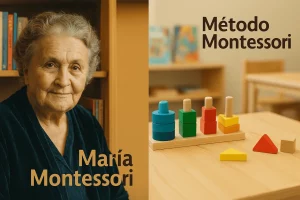
As parents and educators search for the best learning environments for children, phrases like “Montessori near me” or “Montessori school near me” become common in their online inquiries. The Montessori philosophy, founded by María Montessori, emphasizes child-led learning in a supportive environment, fostering independence and self-regulation. To aid parents in locating nearby Montessori resources, our website features a Montessori locator tool, for instance, something like Montessori near me or searching for a Montessori school near me. This article provides an extensive look into how Montessori principles can be applied in both home and school environments while focusing on emotional development.
Creating a Montessori Home Environment
The journey of Montessori education begins at home, where parents can create a nurturing, prepared environment that promotes independence. Simple modifications can lead to significant changes in a child’s daily life. For instance, consider the kitchen. A family can design a Montessori-inspired kitchen space where children can safely access tools (like small, non-sharp knives), ingredients for simple meals, and utensils that fit their size. This setup allows children to engage in meaningful tasks such as preparing snacks or helping with cooking, which fosters a sense of contribution and self-confidence.
Practical Examples in a Montessori Home
A home environment that follows Montessori principles should include accessible bookshelves where children can pick out their own reading material. Imagine a situation where a parent observes their child struggling to reach a particular book. By adapting the shelves to be at a height that is easy for the child to access, the parent encourages self-sufficiency, and the child learns to make choices independently.
Environmental Influence on Emotional Development
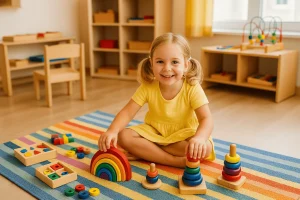
Furthermore, when children are given a choice in their activities, they develop an intrinsic motivation to learn. For example, if a child chooses to engage in a puzzle instead of watching TV, they are practicing self-regulation—a vital emotional skill. Such autonomy allowed in a prepared home environment not only nurtures independence but also helps in calming emotional fluctuations.
The Montessori School Environment
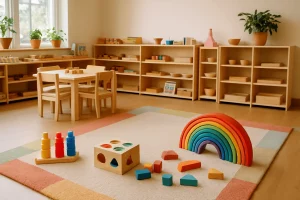
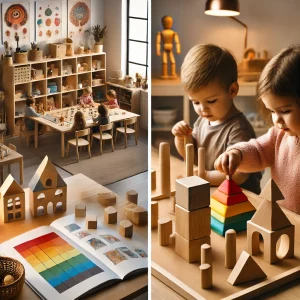
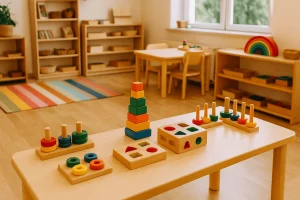
In a Montessori classroom, the setup mirrors many elements seen at home but is enhanced by the guidance of trained educators. Classrooms are designed to be interactive, with areas for group work, individual study, and practical life skills. Each section is equipped with materials that are not only visually appealing but also purposefully designed to promote learning.
Teacher Adaptation for Independence
For instance, a teacher might adapt the classroom shelves by placing specific materials within easy reach so children can select items independently. This approach not only empowers students to make choices but also encourages exploration and learning through hands-on experiences. If a child struggles with a math concept, the teacher can observe and subsequently offer them a unique math-focused activity that addresses their needs, fostering both independence and confidence in their abilities.
The Role of Community in Emotional Growth
Social interactions in a Montessori school also significantly influence emotional development. Children collaborate on group projects, build friendships, and learn to navigate conflicts through peer mediation. This hands-on, interactive atmosphere helps them understand and regulate their emotions better, creating a solid foundation for lifelong emotional intelligence.
Emotional Development Through Montessori Principles
Emotional growth is intertwined with both the home and school environments when practicing Montessori principles. From teaching children to recognize their feelings to empowering them through choices, emotions are nurtured and thoughtfully integrated into daily activities.
Self-regulation in Action
Within a Montessori framework, a child learning about emotions may engage in a discussion about their feelings during circle time. Through storytelling and sharing experiences, they learn to articulate their emotions and understand the feelings of others. For example, a young child might share how they felt during a recent playdate, leading to deeper empathy and understanding, crucial components of emotional intelligence, which are fostered effectively in Montessori education.
The Path to Autonomy and Learning
To dive deeper into the essence of Montessori education, one could refer to our introducción a la pedagogía Montessori. This guide highlights how the unique structure of Montessori education allows children to thrive by constructing their learning experiences through autonomy and exploration. Utilizing these foundational principles promotes not just academic skills, but also social and emotional growth.
Conclusion
In summary, embracing the philosophy of educación Montessori can transform not only educational settings but also homes. By creating an environment that values independence, adaptability, and emotional growth, parents and educators can help children navigate their journeys more successfully. Whether seeking a Montessori resource or implementing Montessori strategies at home, embracing this holistic approach to education can provide children with the skills necessary for a fulfilling life. For additional insights, you can always explore our Montessori Maria platform and its AI assistant MarÍA for tailored guidance.
Further Reading
For those wanting to explore more about Montessori education, consider these resources: