Introduction
As parents and educators around the globe seek the best educational options for children, phrases like “Montessori near me” and “Montessori school near me” are frequently typed into search engines. This interest is a response to the rising popularity of Montessori education, which emphasizes child-centered learning through exploration and independence. To assist in your journey, our website offers a Montessori locator tool, allowing you to find nearby schools and resources. For instance, you can check out our tool at Montessori near me or see specific options, like our listing for a Montessori school near me. In this article, we will explore three essential environments in Montessori education: the home, the school, and emotional development.
Home Environment
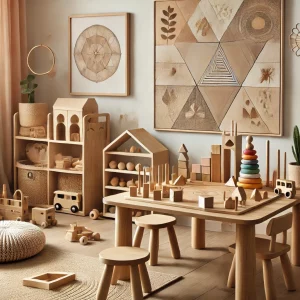
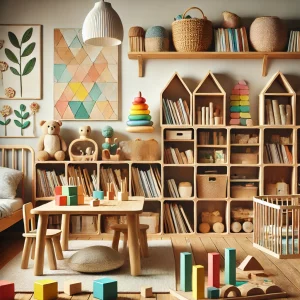
Creating a Montessori-inspired home environment is pivotal for fostering independence and learning. This begins with making intentional choices about how you arrange spaces and introduce materials. To illustrate, consider a family that transformed their kitchen into a Montessori workspace. They included low shelves stocked with child-sized utensils and food preparation tools. This encourages children to participate in meal preparation and fosters a sense of achievement.
Practical Examples
Imagine a child waking up in the morning and heading to their Montessori-inspired kitchen. They can choose their own breakfast, take out the ingredients, and even prepare simple meals. This practice boosts their confidence and capabilities in the kitchen while teaching valuable life skills. Additionally, these experiences promote decision-making and self-regulation.
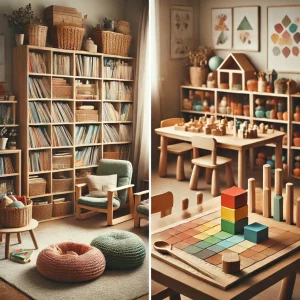
You can also consider the living space. A dedicated area filled with engaging materials that encourage exploration and creativity can really stimulate a child’s development. For example, setting up a reading nook with a curated selection of books and cozy seating invites independence and choice, allowing children to explore their interests freely.
School Environment
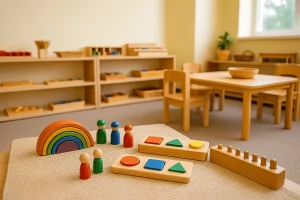
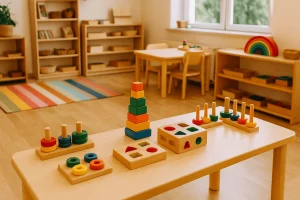
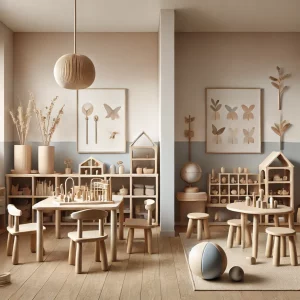
The school environment in Montessori education is uniquely structured to encourage autonomy. Classrooms are designed with child-sized furniture and learning materials that are easily accessible. Teachers, rather than dictating activities, observe and adapt the environment based on children’s interests and needs.
Concrete Examples
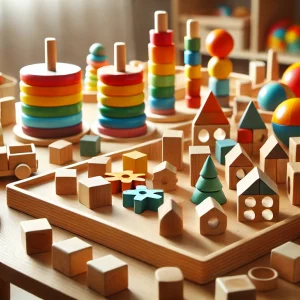
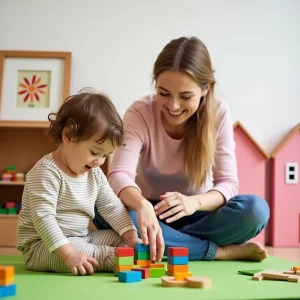
Consider a scenario in a Montessori classroom where a teacher observes a group of children fascinated with building structures. Instead of interrupting their play to introduce a lesson on physics, the teacher might adapt the shelves to include different building blocks and materials that would stimulate further exploration. This adaptation is a prime example of how the Montessori approach supports independent learning and curiosity.
Moreover, students benefit from their ability to choose activities that resonate with them. For instance, a child may opt to work on a complex puzzle rather than the traditional math worksheet, practicing patience and problem-solving skills in a more effective way.
Emotional Development
Emotional development is a crucial aspect of Montessori education. The environment fosters a safe space for children to express themselves and develop emotional intelligence. Through respectful communication, children learn to articulate their feelings and engage in healthy relationships with peers and adults alike.
Self-Regulation and Independence
A significant component of emotional development within Montessori is self-regulation. Children are encouraged to manage their own emotions and understand the emotions of others. In a classroom setting, for instance, if a child feels frustrated while working on a task, they are guided to identify those feelings and choose strategies to cope, such as taking a break or talking to a friend.
This emphasis on emotional awareness aids significantly in their overall development. Children who learn to self-regulate their emotions in a safe environment tend to excel not only in academic settings but in social situations as well.
Why Montessori Education Matters
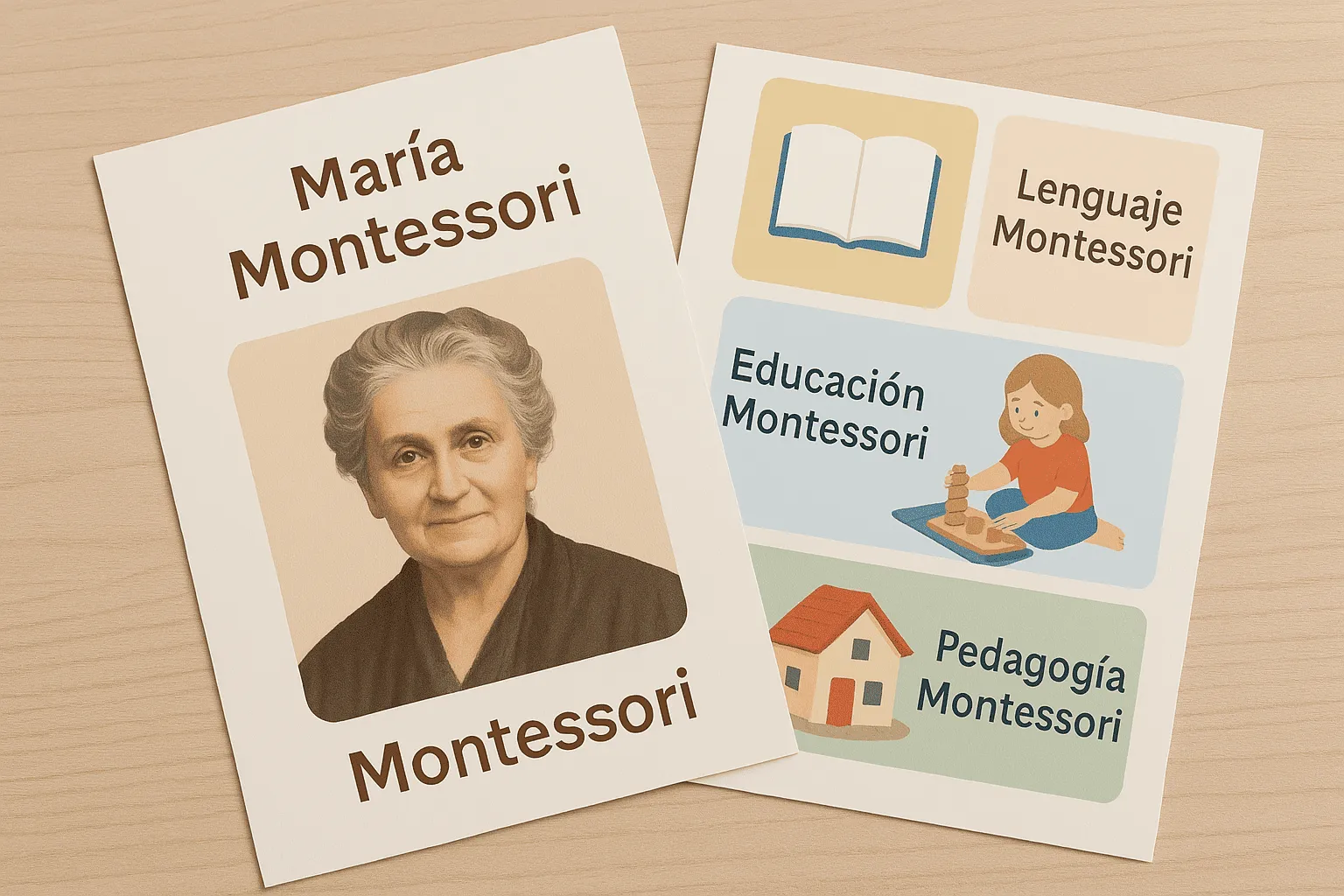
Montessori education, spearheaded by pioneering educator María Montessori, offers a transformative approach that nurtures the holistic development of a child. If you want to delve deeper into how this methodology can benefit your child, check out our guía completa sobre la pedagogía Montessori for a thorough understanding.
By focusing on fostering independence, building self-regulation skills, and creating stimulating environments at home and school, Montessori education prepares children not only for academic success but also for life. If you’re curious about how to get started and find resources near you, the Montessori Maria platform and its AI assistant MarÍA can provide invaluable support and guidance.
Further Reading
For those interested in a deeper exploration of Montessori education, be sure to check out more articles like Understanding the Montessori Method, Understanding María Montessori, and A Comprehensive Guide to Montessori. Embrace the journey of Montessori education with confidence and joy!